


Talk
How Meditation takes you to the Ultimate Truth (The Divinity)
“As you go on meditating, that will take you to the Ultimate Truth, which is recognized as Divinity. See, the same Divinity, in science they
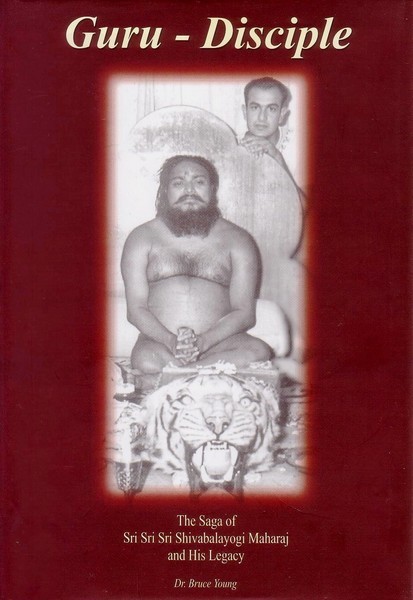
This is the amazing history of how a humble village boy, born into a family of weavers, rose to become one of the greatest Yogis India has produced.

Babaji has said, “God is never unjust to the creation. The Divine is the Ocean of Kindness. Whenever there is decline of dharma (righteousness), the Divine comes to the rescue of the universe.
Whenever mankind is attracted too much to materialism it loses its mental and moral health, which results in increasing the miseries of mankind. Tension prevails, suffering spreads, both physically and mentally, and the people of the earth suffer from dissatisfaction, depression, unhappiness. Doubts and fear, hatred and jealousy become the order of the day. The righteous always pray for peace and happiness, for love and universal brotherhood.
Babaji has said, “God is never unjust to the creation. The Divine is the Ocean of Kindness. Whenever there is decline of dharma (righteousness), the Divine comes to the rescue of the universe.
Whenever mankind is attracted too much to materialism it loses its mental and moral health, which results in increasing the miseries of mankind. Tension prevails, suffering spreads, both physically and mentally, and the people of the earth suffer from dissatisfaction, depression, unhappiness. Doubts and fear, hatred and jealousy become the order of the day. The righteous always pray for peace and happiness, for love and universal brotherhood.
Then the Divine Grace descends and amazing, inexplicable wonders occur for the welfare of the universe. For the spiritual upliftment of humanity, the Divine chooses a worthy Child, a mighty Soul to carry out Its plan. Such Great Ones, rising above all differences and weaknesses of humanity, use their powers and give their abilities and energies to aid humanity; by drinking bitterness They give Their love and tolerance. They take the sufferings of humanity and give Their Knowledge and Wisdom to enlighten the universe. Their approach is always universal. They sacrifice Their lives for the sake of the world. They become the eternal, guiding and inspiring light to the universe.”
Then the Divine Grace descends and amazing, inexplicable wonders occur for the welfare of the universe. For the spiritual upliftment of humanity, the Divine chooses a worthy Child, a mighty Soul to carry out Its plan. Such Great Ones, rising above all differences and weaknesses of humanity, use their powers and give their abilities and energies to aid humanity; by drinking bitterness They give Their love and tolerance. They take the sufferings of humanity and give Their Knowledge and Wisdom to enlighten the universe. Their approach is always universal. They sacrifice Their lives for the sake of the world. They become the eternal, guiding and inspiring light to the universe.”
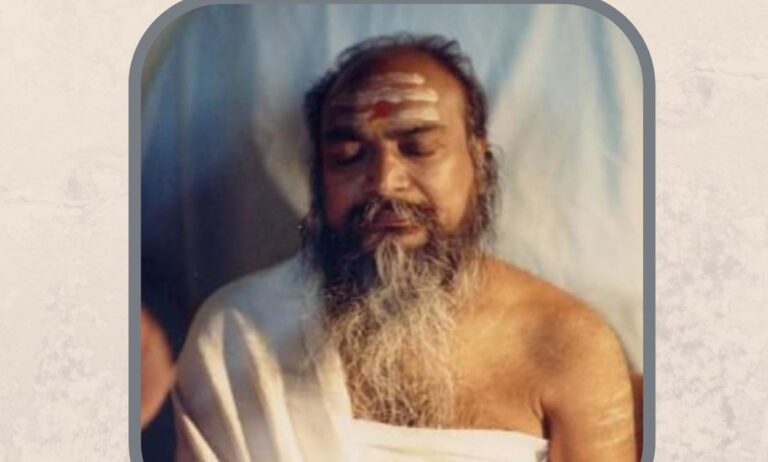
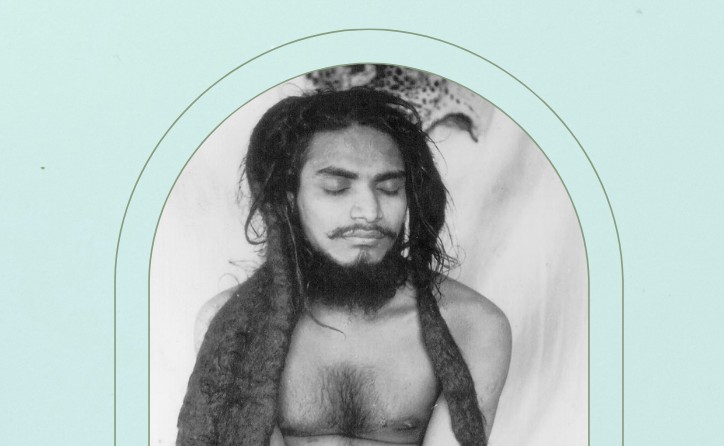
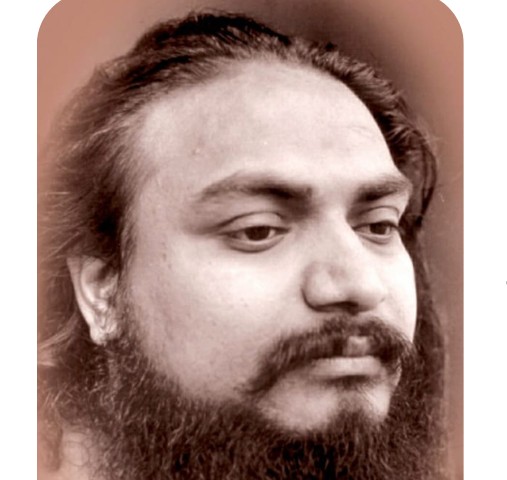
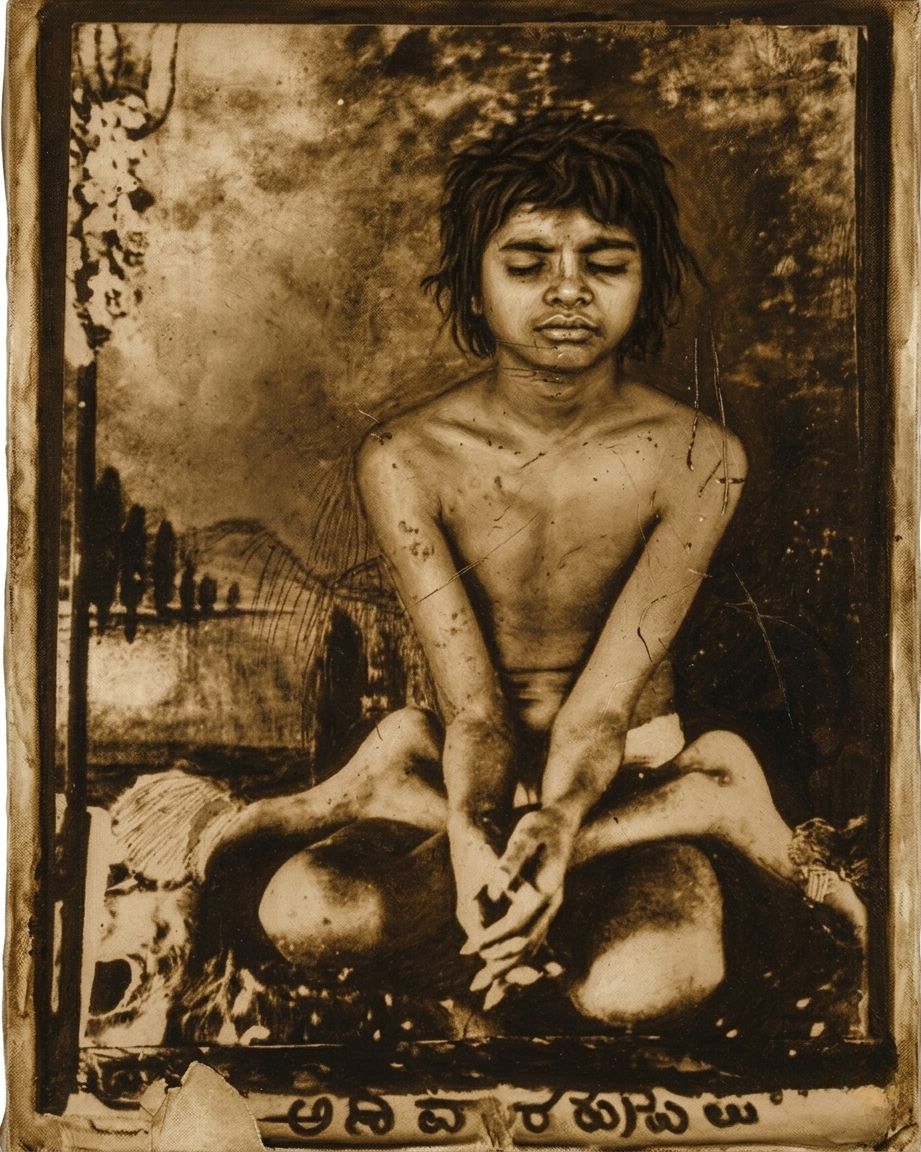
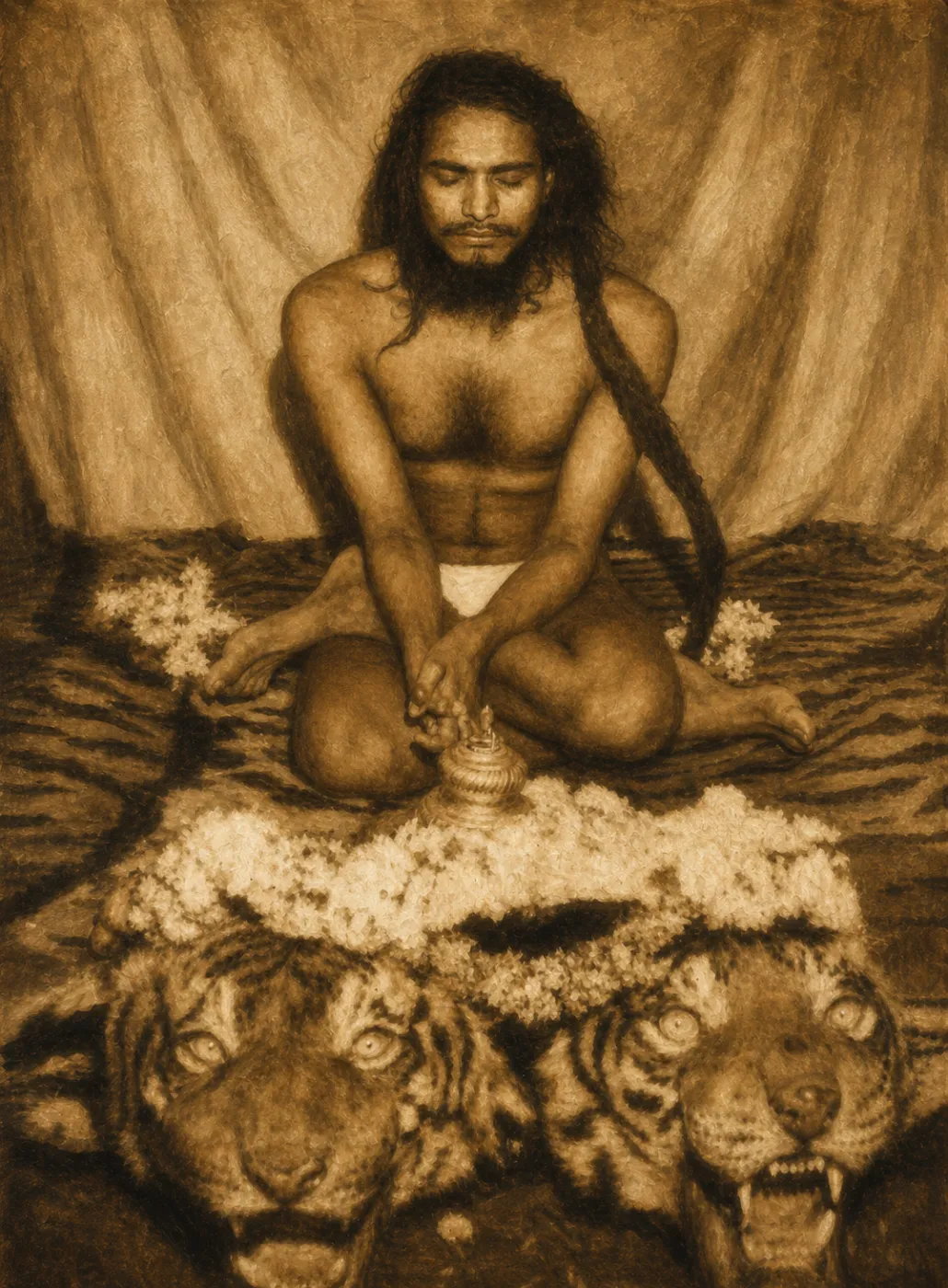
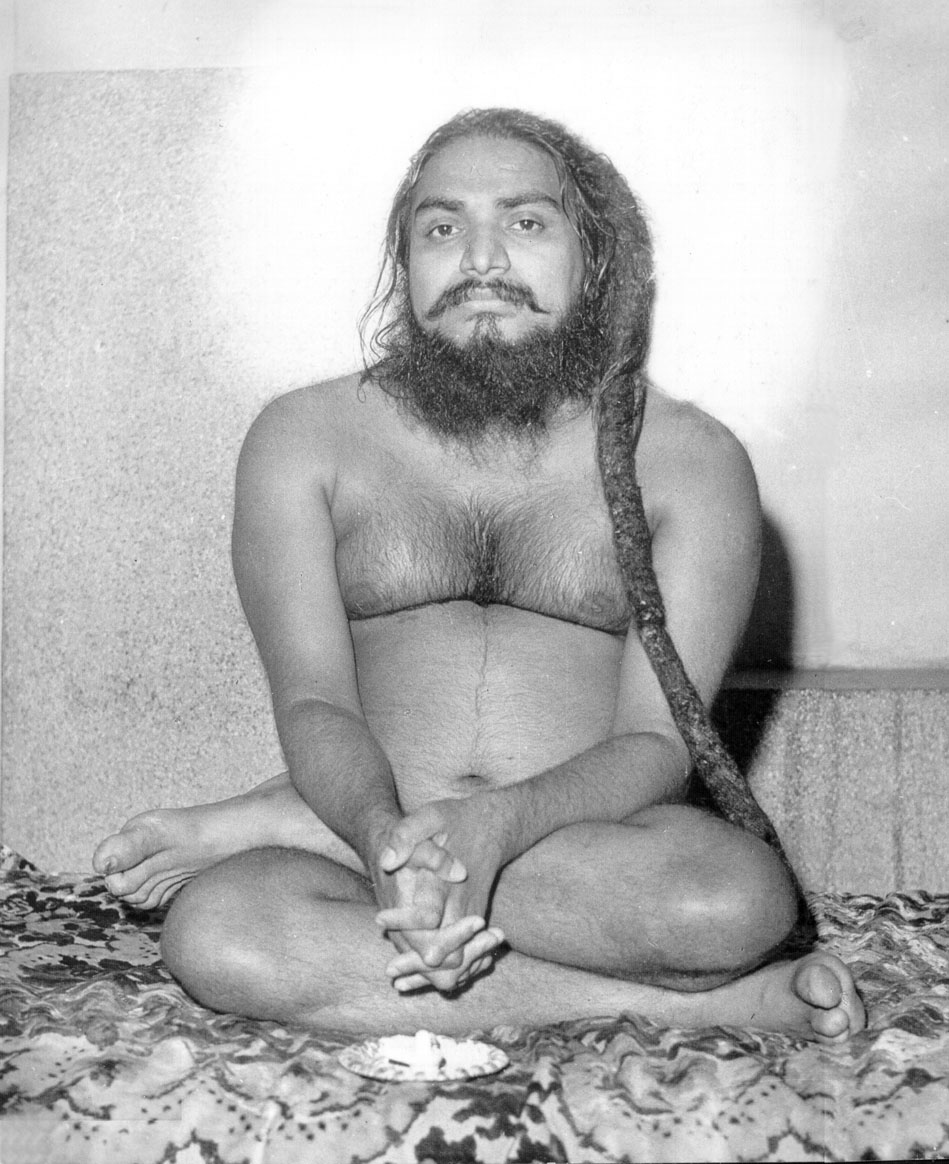
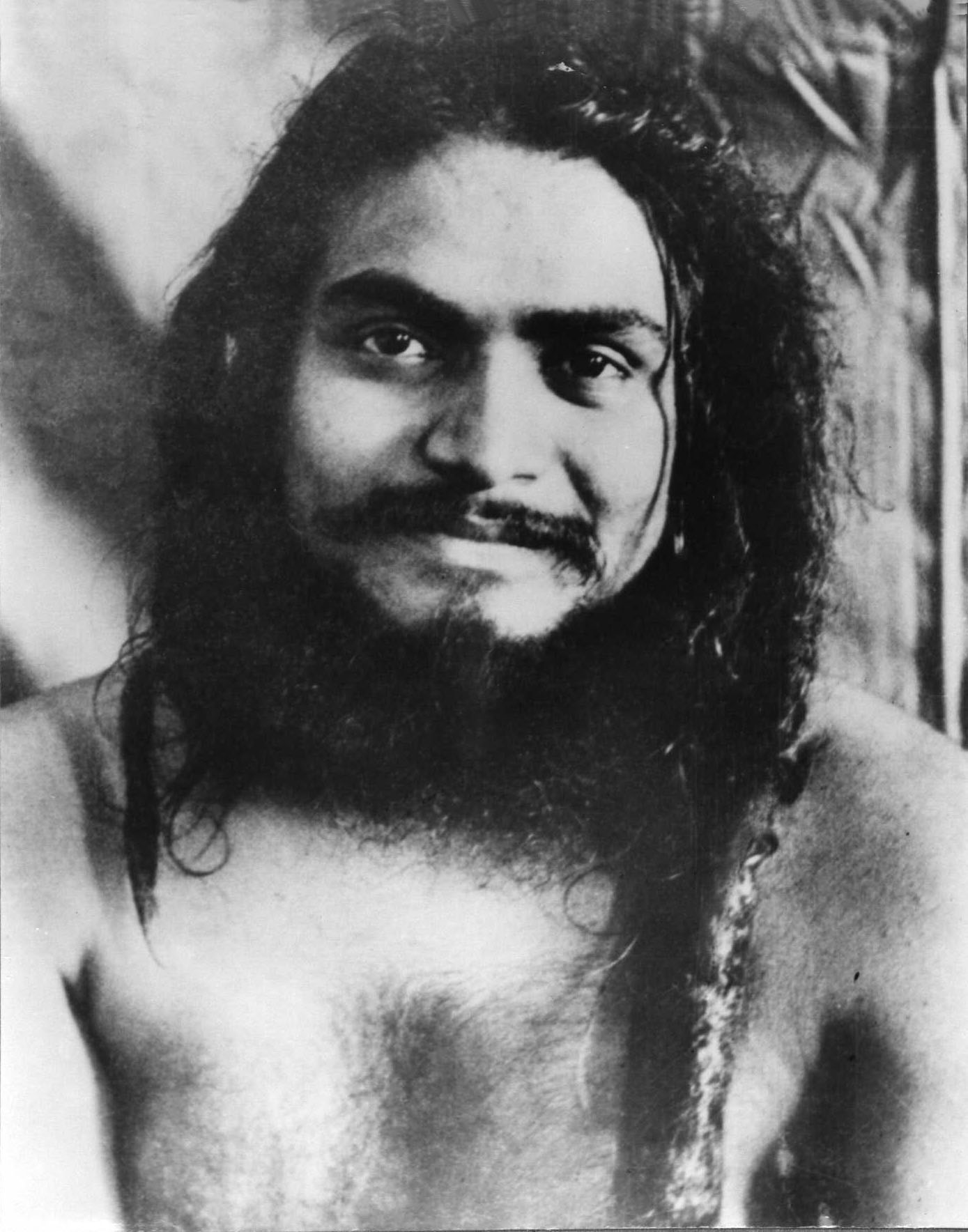
Shri Swamiji, as he is affectionately known by His devotees, was born as Sathyaraju in 1935, in the small hamlet of Adivarapupeta—a modest weaving community in South India. He was the youngest of four siblings. From an early age, life presented its challenges, as the family struggled in poverty following the passing of his father.
Despite these hardships, Sathyaraju was a child of remarkable character—hardworking, honest, humble, and possessed of a firm, determined nature. He had a “Do or Die” spirit even in his early years.
At the age of five, a simple yet profound incident revealed to him the reality of his family’s condition.
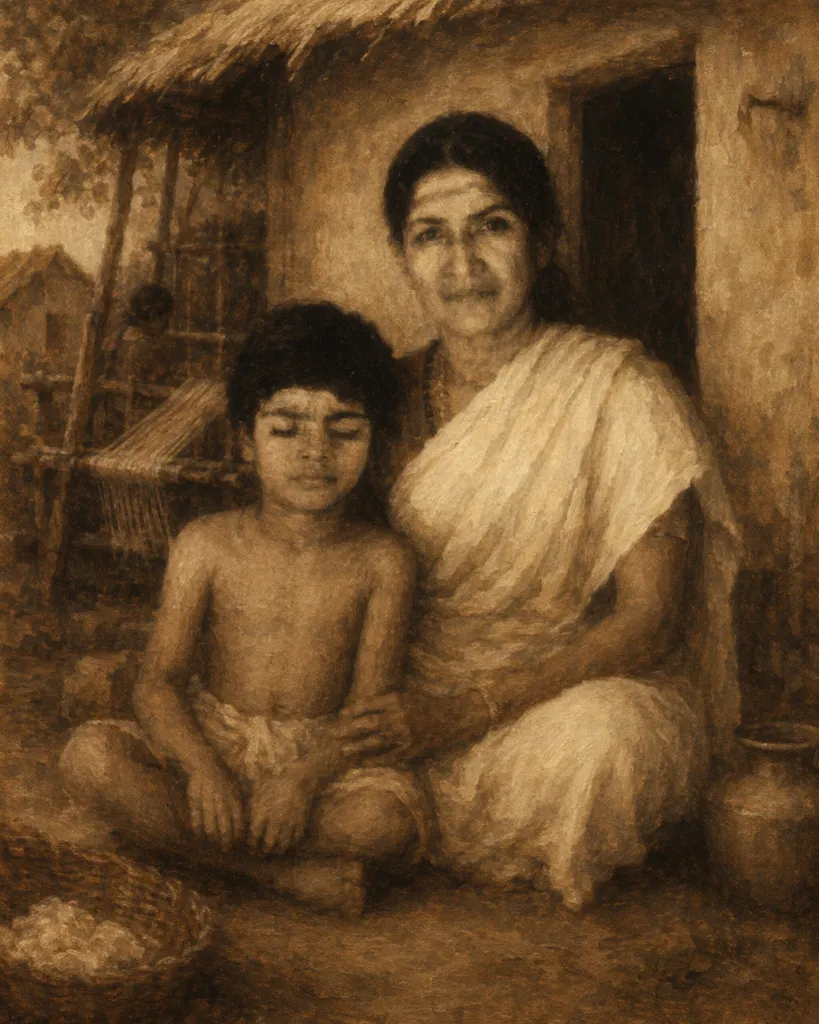
He had a strong appetite, and his mother, Parvatamma, would lovingly feed him whenever he was hungry. Yet one day, a thought arose in the young boy’s mind:
Shri Swamiji, as he is affectionately known by His devotees, was born as Sathyaraju in 1935, in the small hamlet of Adivarapupeta—a modest weaving community in South India. He was the youngest of four siblings. From an early age, life presented its challenges, as the family struggled in poverty following the passing of his father.
Despite these hardships, Sathyaraju was a child of remarkable character—hardworking, honest, humble, and possessed of a firm, determined nature. He had a “Do or Die” spirit even in his early years.
At the age of five, a simple yet profound incident revealed to him the reality of his family’s condition.
He had a strong appetite, and his mother, Parvatamma, would lovingly feed him whenever he was hungry. Yet one day, a thought arose in the young boy’s mind:
That day at lunchtime, he insisted that she share the meal. His mother gently replied,
She set aside a portion in the cupboard.
But Sathyaraju quietly waited behind the door for hours, watching to see if she would return to eat. When she did not, he approached her again and asked for food. She then gave him the very portion she had set aside for herself.
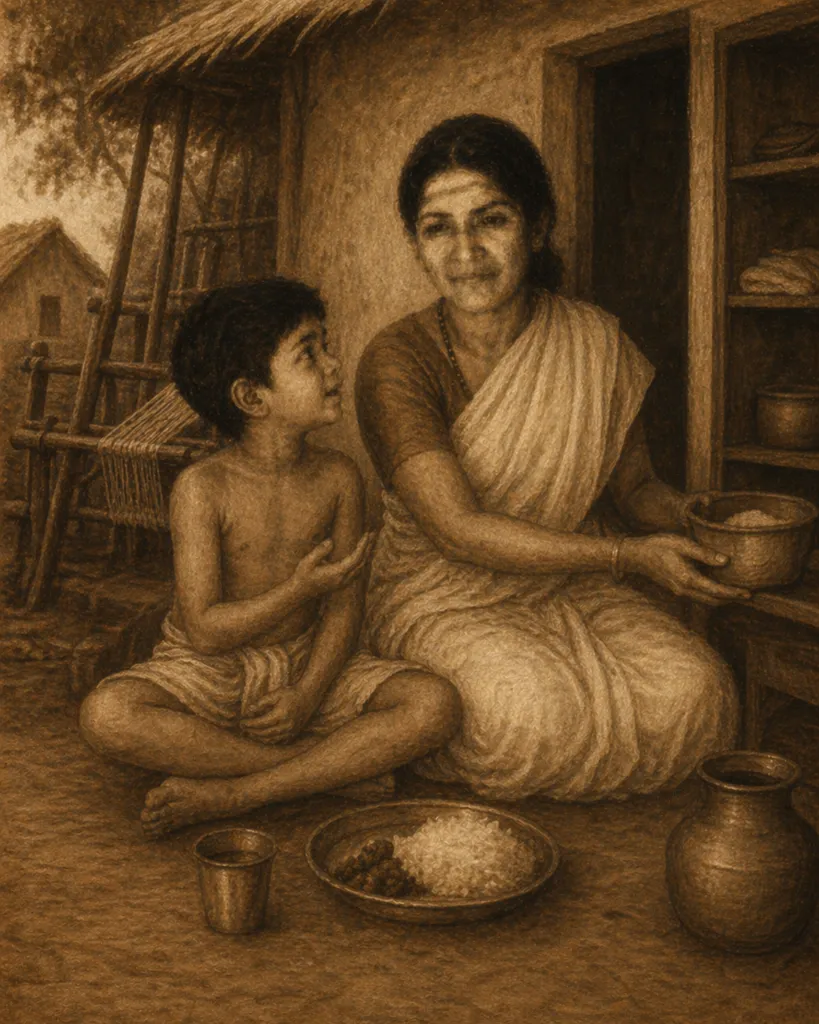
That day at lunchtime, he insisted that she share the meal. His mother gently replied,
She set aside a portion in the cupboard.
But Sathyaraju quietly waited behind the door for hours, watching to see if she would return to eat. When she did not, he approached her again and asked for food. She then gave him the very portion she had set aside for herself.
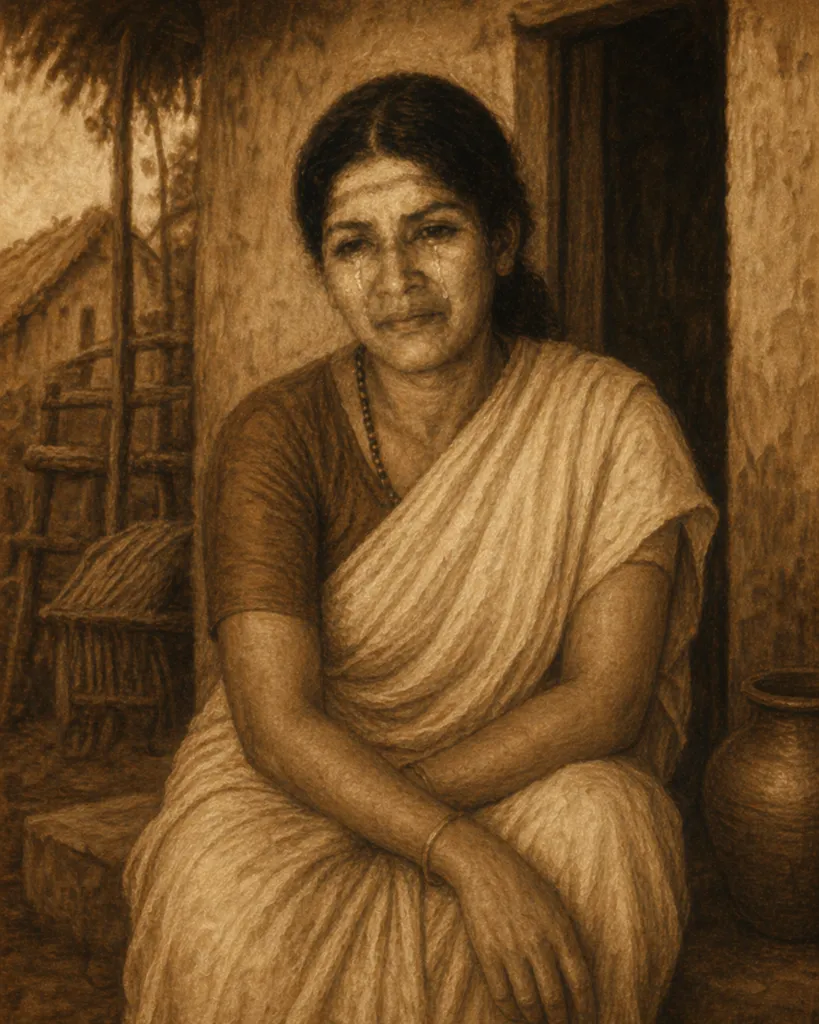
Looking at her, he asked innocently,
Seeing tears roll down her cheeks, the young boy was deeply shaken.
Confused and troubled, he turned to his uncle, who had always been his guide.
Looking at her, he asked innocently,
Seeing tears roll down her cheeks, the young boy was deeply shaken.
Confused and troubled, he turned to his uncle, who had always been his guide.
These words left a deep impression on the young boy.
His uncle replied,
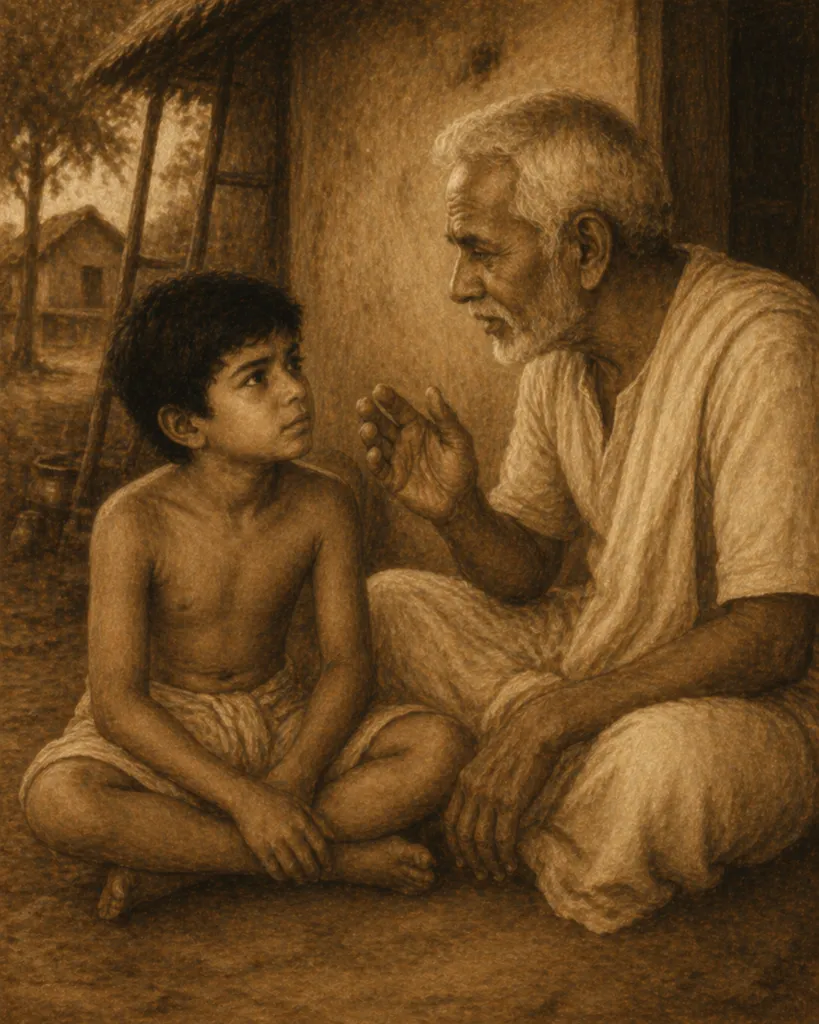
These words left a deep impression on the young boy.
His uncle replied,
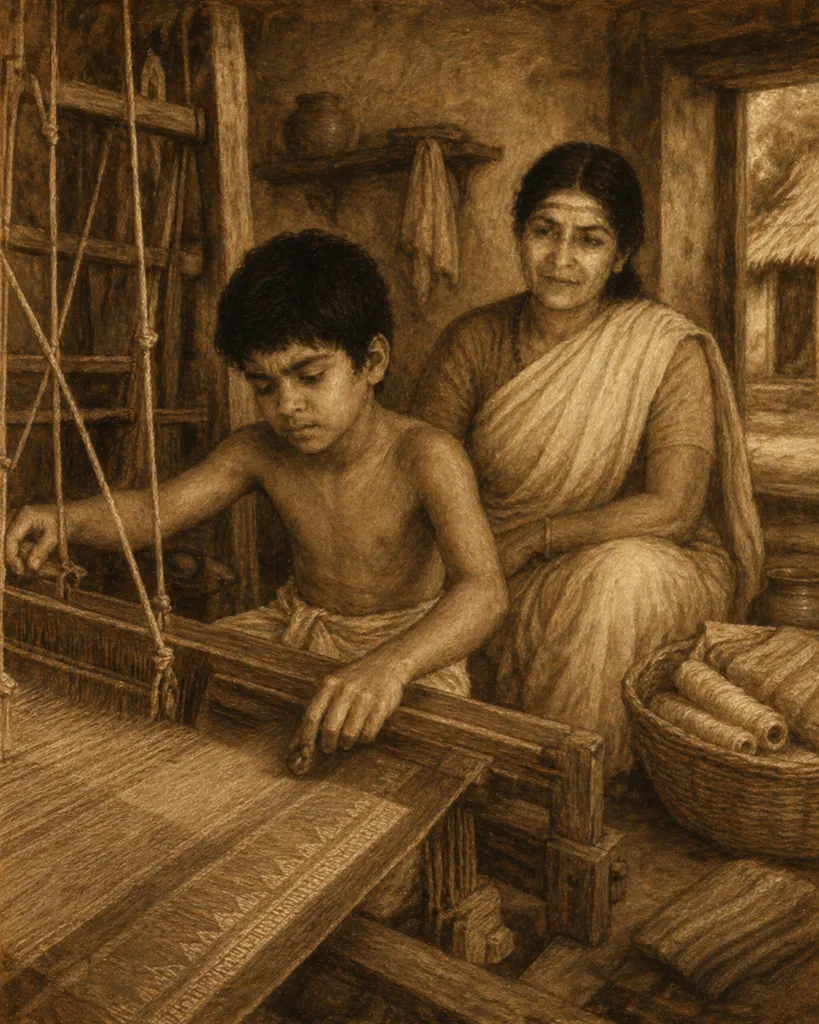
From that very moment, a firm resolve arose within him.
Realising the hardship his family was facing, Sathyaraju decided to leave school and take up responsibility at once, determined to support them through his own efforts.
From then onward, he dedicated himself to the craft of weaving. Even as a child, he displayed extraordinary determination, a strong will, and an unwavering sense of honesty and justice. Working with steady discipline and focus, he would often weave two saris in the time others would complete one. Through such tireless effort, he became the sole support of his family, eventually establishing a small shop that sustained their livelihood.
From that very moment, a firm resolve arose within him.
Realising the hardship his family was facing, Sathyaraju decided to leave school and take up responsibility at once, determined to support them through his own efforts.
From then onward, he dedicated himself to the craft of weaving. Even as a child, he displayed extraordinary determination, a strong will, and an unwavering sense of honesty and justice. Working with steady discipline and focus, he would often weave two saris in the time others would complete one. Through such tireless effort, he became the sole support of his family, eventually establishing a small shop that sustained their livelihood.
At the age of fourteen, Sathyaraju set out one day with his friends for a swim in the nearby canal, as they had done many times before.
As they passed a grove of palmyra trees, three fruits suddenly fell. The boys shared them among themselves. Holding his portion, Sathyaraju began to squeeze out its sweet, sticky juice.
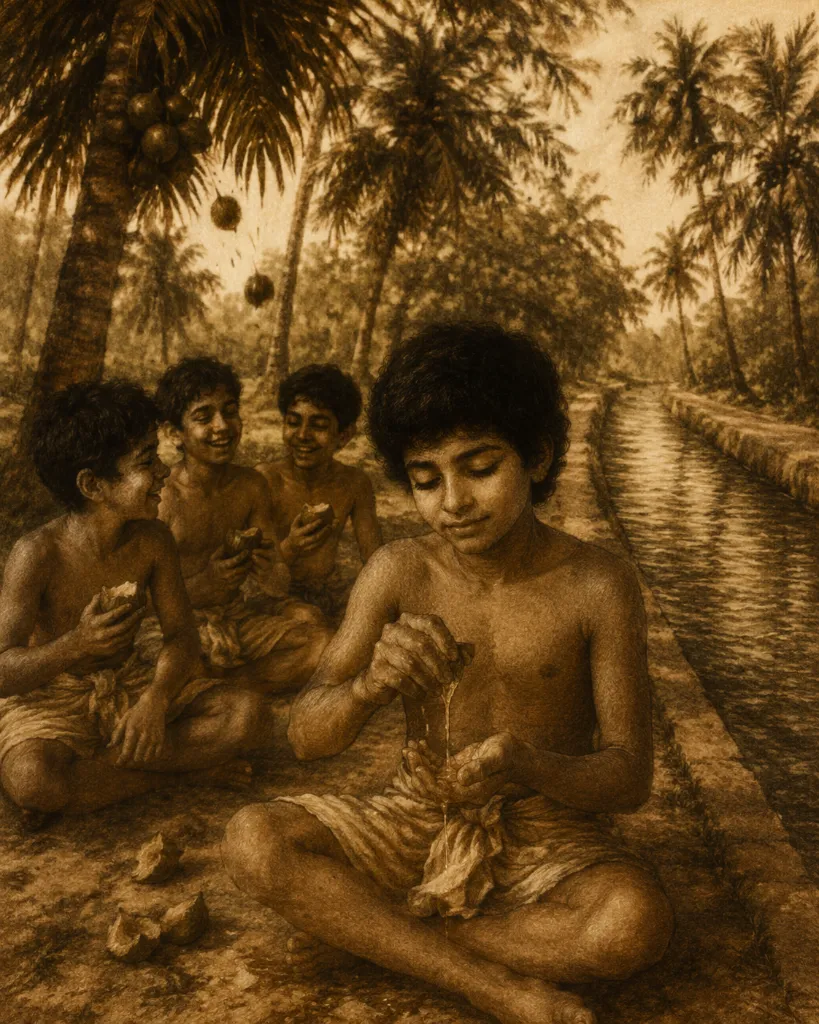
At the age of fourteen, Sathyaraju set out one day with his friends for a swim in the nearby canal, as they had done many times before.
As they passed a grove of palmyra trees, three fruits suddenly fell. The boys shared them among themselves. Holding his portion, Sathyaraju began to squeeze out its sweet, sticky juice.
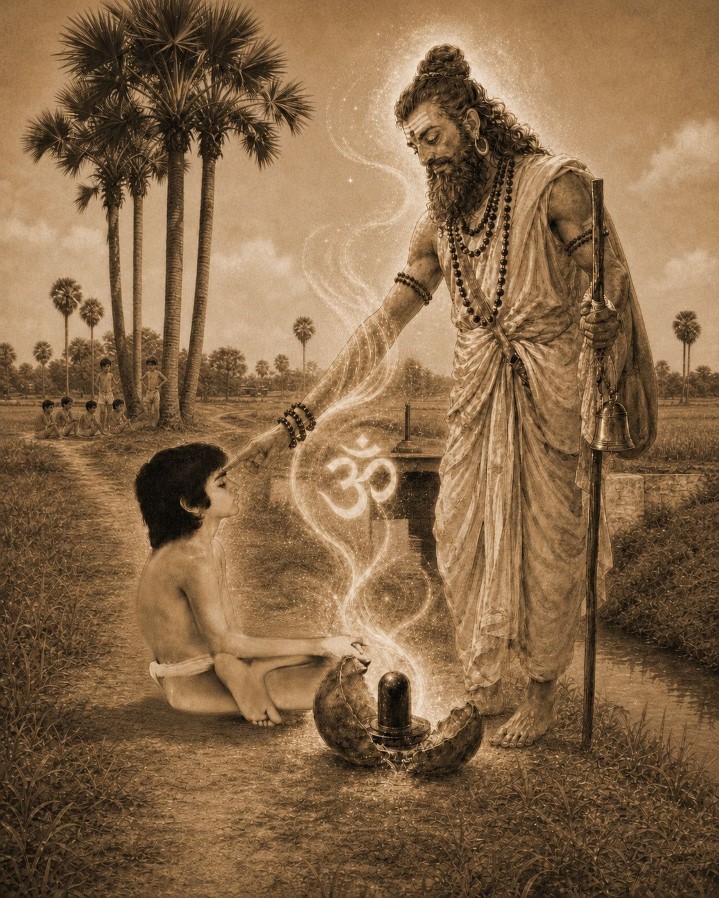
Suddenly, his entire body began to tremble uncontrollably.
As he gazed at the fruit in his hands, he heard, to his astonishment, the deep resonance of the sacred sound “OM” emanating from it. A brilliant light burst forth.
Before his eyes, the fruit transformed into a black Shivalingam. Then, as it broke apart, a tall figure emerged—a Jangama Sage.
The Sage spoke with quiet authority:
Though the young boy initially tried to resist, he found himself unable to do so. He sat down and was drawn into a deep meditative state.
Suddenly, his entire body began to tremble uncontrollably.
As he gazed at the fruit in his hands, he heard, to his astonishment, the deep resonance of the sacred sound “OM” emanating from it. A brilliant light burst forth.
Before his eyes, the fruit transformed into a black Shivalingam. Then, as it broke apart, a tall figure emerged—a Jangama Sage.
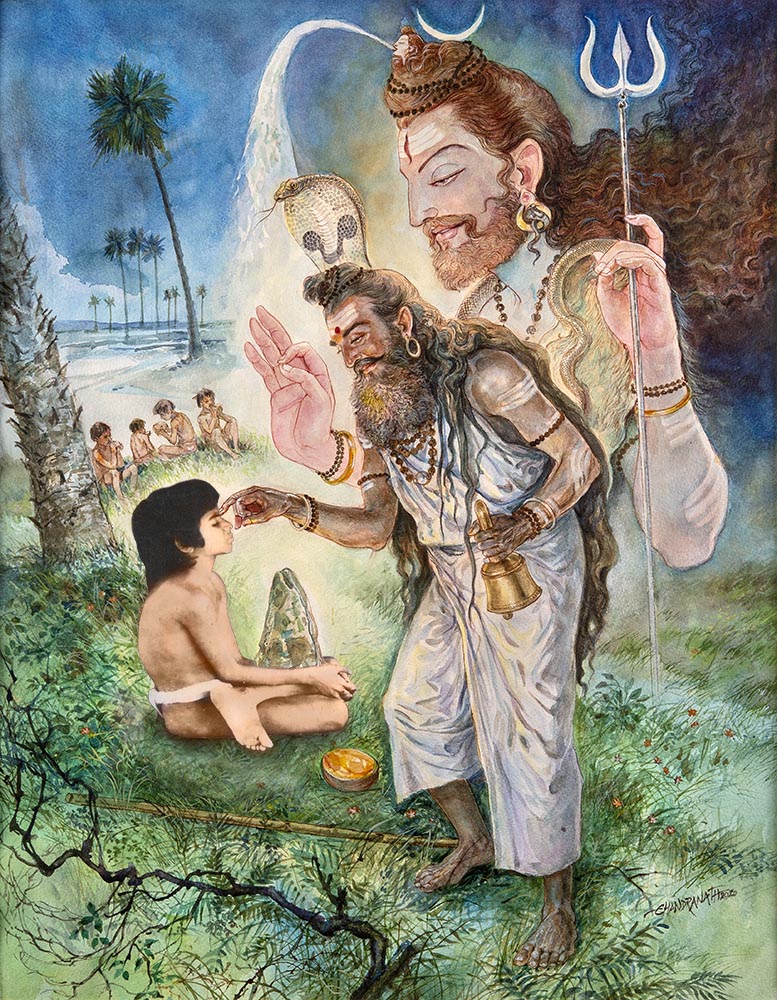
The Sage spoke with quiet authority:
Though the young boy initially tried to resist, he found himself unable to do so. He sat down and was drawn into a deep meditative state.
From that moment, Sathyaraju entered into a state of deep Samadhi, remaining absorbed for days at a time. Villagers, unable to understand what was happening, believed he was possessed and created disturbances around him. Yet he remained unmoved.
His friends tried to bring him home, but each time they reached the threshold, they found themselves unable to carry him inside, as though an unseen force prevented them.
Again and again, Sathyaraju would hear the sound of OM and return to the very place where the Sage had initiated him, sitting once more in meditation.
From that moment, Sathyaraju entered into a state of deep Samadhi, remaining absorbed for days at a time. Villagers, unable to understand what was happening, believed he was possessed and created disturbances around him. Yet he remained unmoved.
His friends tried to bring him home, but each time they reached the threshold, they found themselves unable to carry him inside, as though an unseen force prevented them.
Again and again, Sathyaraju would hear the sound of OM and return to the very place where the Sage had initiated him, sitting once more in meditation.
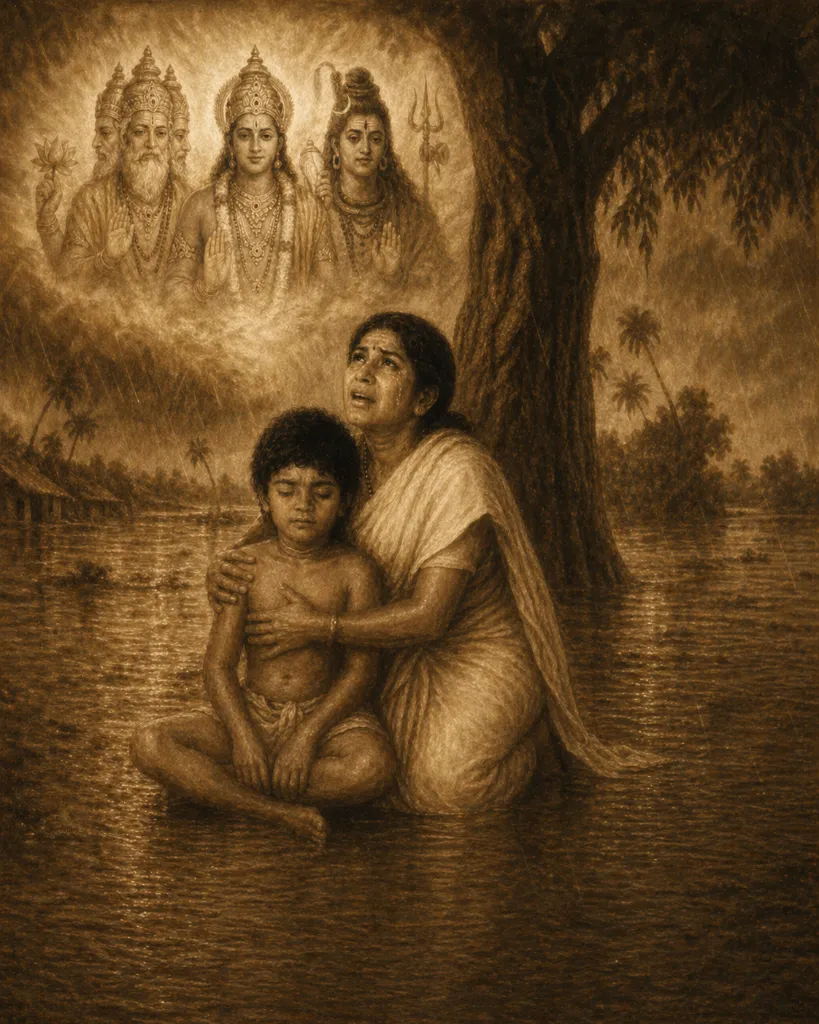
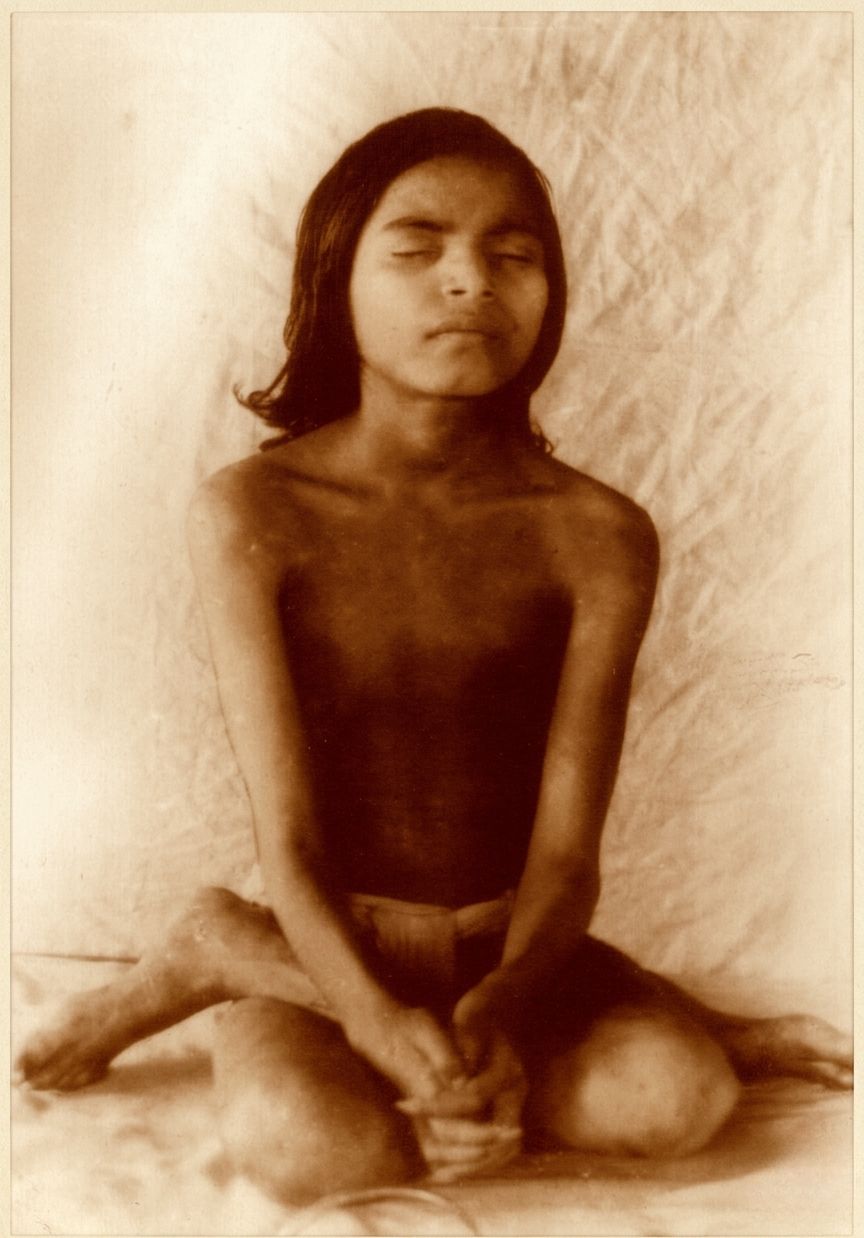
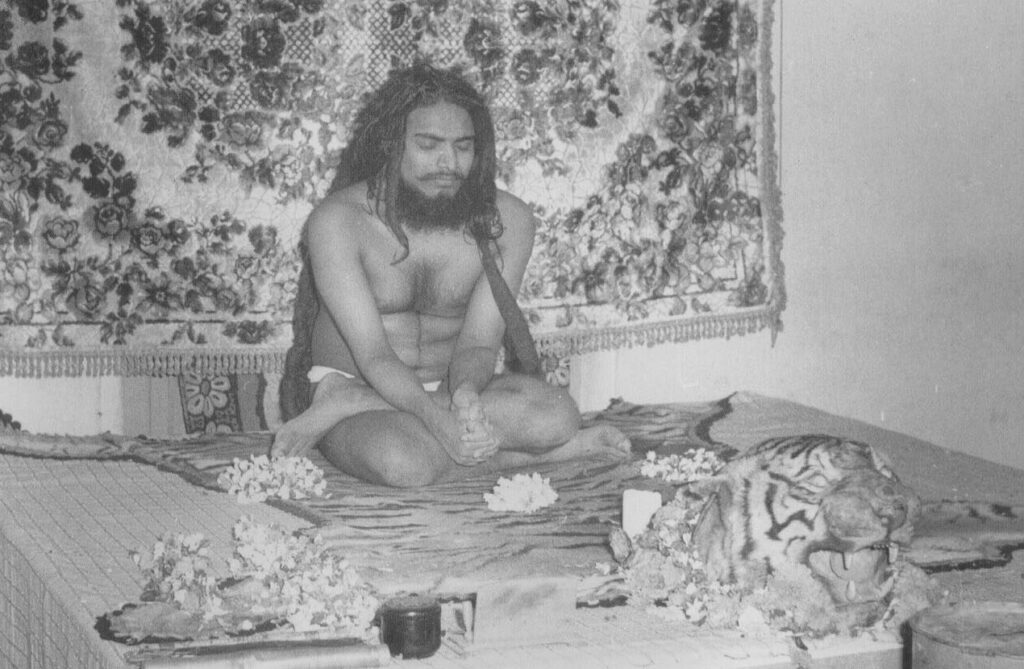
When His mother and uncle heard the reports of what had gone on they rushed to the shelter where they found him quietly sitting, his legs crossed, his face bathed in a deep peace and apparently unaware of his surroundings, absorbed in meditation.
It was the monsoon season, and for weeks the region was lashed by heavy rains and flooding. Sathyaraju remained seated in the open, beneath a tree, surrounded by rising waters. Watching this, her fear grew—fear not for herself, but for the life of her child
His mother, overcome with emotion, wept and called out to him. Holding him tightly, she rocked him, pleading for him to return.
When His mother and uncle heard the reports of what had gone on they rushed to the shelter where they found him quietly sitting, his legs crossed, his face bathed in a deep peace and apparently unaware of his surroundings, absorbed in meditation.
It was the monsoon season, and for weeks the region was lashed by heavy rains and flooding. Sathyaraju remained seated in the open, beneath a tree, surrounded by rising waters. Watching this, her fear grew—fear not for herself, but for the life of her child
His mother, overcome with emotion, wept and called out to him. Holding him tightly, she rocked him, pleading for him to return.
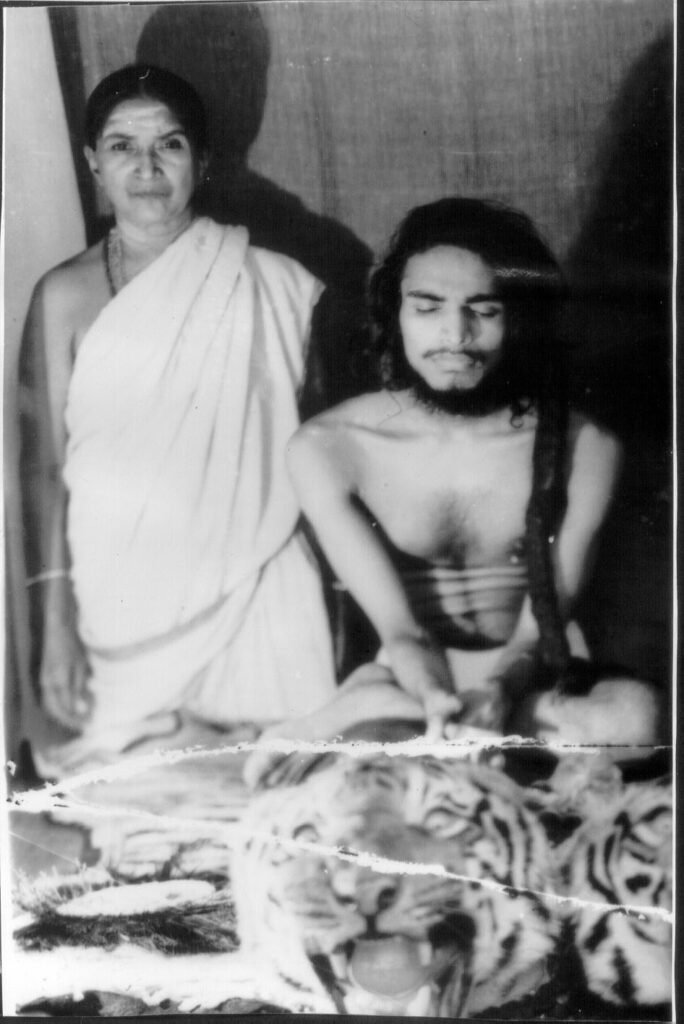
Waiting for her son to come back, as she looked up, she beheld a divine manifestation—the radiant form of the Trimurti: Brahma, Vishnu, and Maheshwara (Shiva), shining above her son.
Unsure she was really seeing this glorious form, she rubbed her eyes and looked again, but the magnificent vision surrounding by an alluring glow persisted.
At that moment, she understood. This was no ordinary event—it was the Divine grace.
Her heart became calm, and she felt deeply blessed, knowing her son was under divine protection.
From then on, she became his unwavering support—through the twelve years of Tapas and throughout the Mission that would follow.
Waiting for her son to come back, as she looked up, she beheld a divine manifestation—the radiant form of the Trimurti: Brahma, Vishnu, and Maheshwara (Shiva), shining above her son.
Unsure she was really seeing this glorious form, she rubbed her eyes and looked again, but the magnificent vision surrounding by an alluring glow persisted.
At that moment, she understood. This was no ordinary event—it was the Divine grace.
Her heart became calm, and she felt deeply blessed, knowing her son was under divine protection.
From then on, she became his unwavering support—through the twelve years of Tapas and throughout the Mission that would follow.
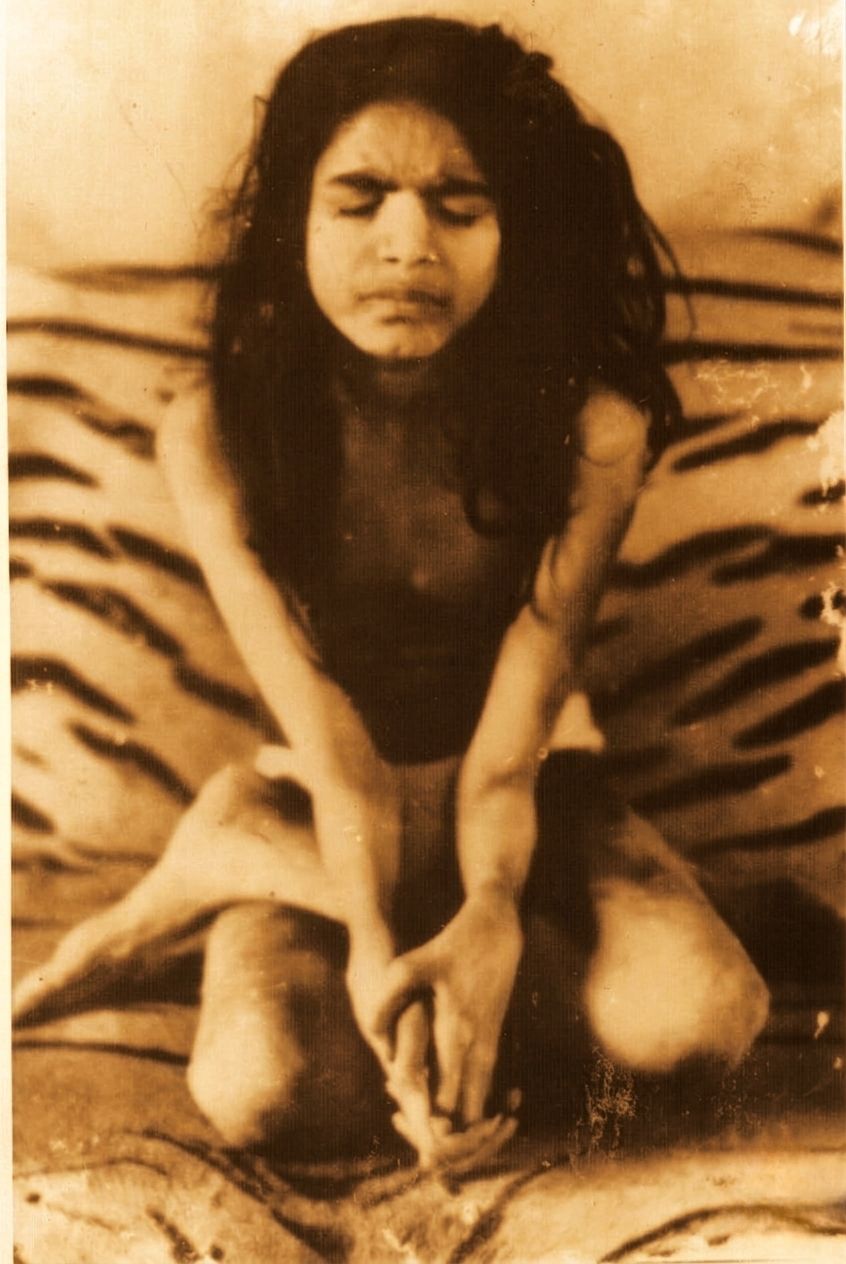
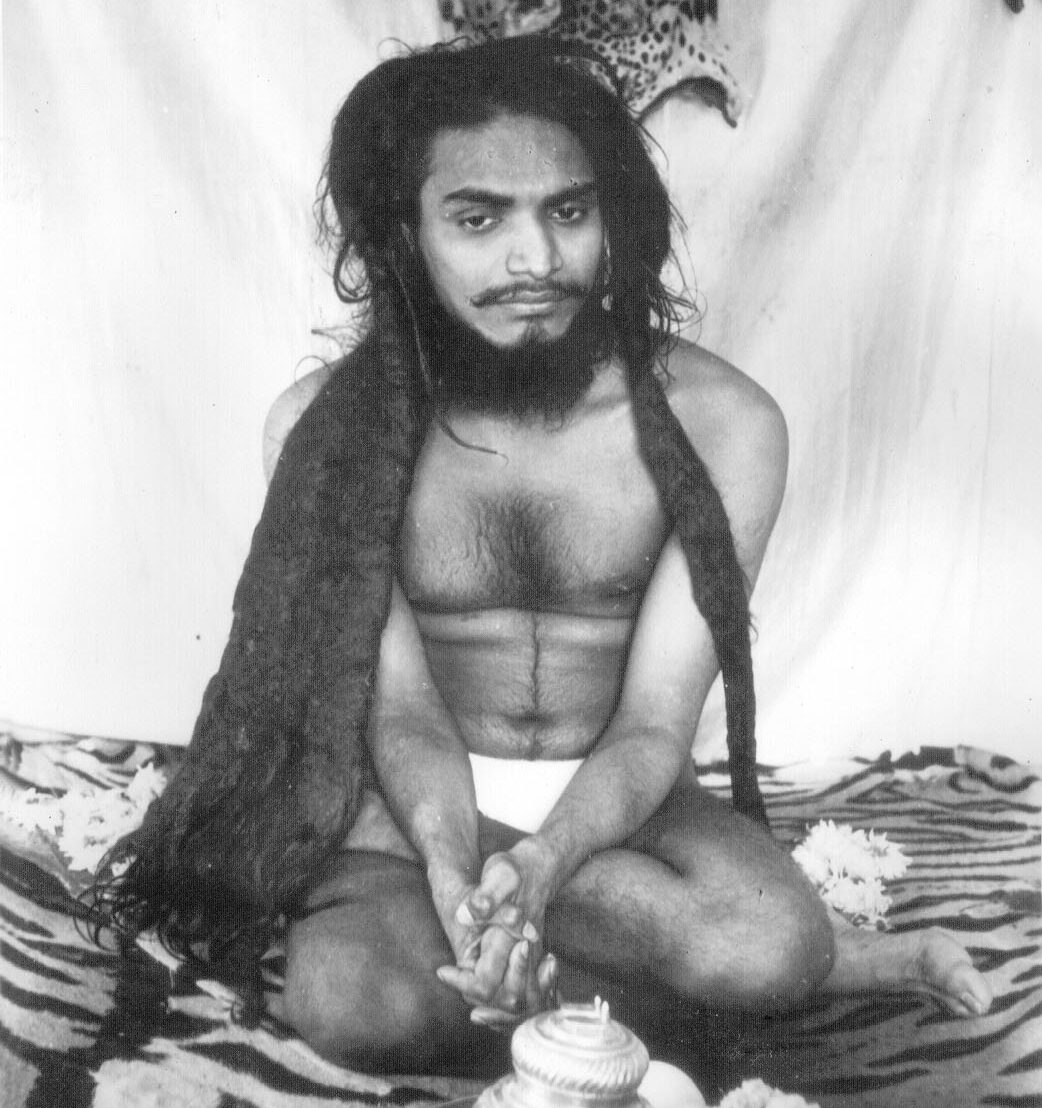
Thus began Sathyaraju’s intense Tapas. For an average of twenty to twenty-two hours a day, he remained in deep meditation, coming out only briefly to bathe in the nearby canal and take a little milk.
The challenges were many.
At first, village children mocked him—throwing stones, striking him with sticks, even burning cloth soaked in kerosene against his legs. Though he felt the tremandous pain upon returning from Samadhi, he remained steadfast.
To avoid disturbance, he moved to a nearby graveyard, thinking no one would trouble him there.
Thus began Sathyaraju’s intense Tapas. For an average of twenty to twenty-two hours a day, he remained in deep meditation, coming out only briefly to bathe in the nearby canal and take a little milk.
The challenges were many.
At first, village children mocked him—throwing stones, striking him with sticks, even burning cloth soaked in kerosene against his legs. Though he felt the tremandous pain upon returning from Samadhi, he remained steadfast.
To avoid disturbance, he moved to a nearby graveyard, thinking no one would trouble him there.
While this kept people away, a new kind of hardship arose.
Exposed to the elements, he endured heavy monsoon rains, intense heat, and humidity. Sitting on wet muddy ground, his skin began to deteriorate. Rodents, ants, scorpions, and even snakes crawled over and bit him.
The suffering became so intense that one day, upon emerging from meditation, he felt overwhelmed—almost like crying—and thought:
While this kept people away, a new kind of hardship arose.
Exposed to the elements, he endured heavy monsoon rains, intense heat, and humidity. Sitting on wet muddy ground, his skin began to deteriorate. Rodents, ants, scorpions, and even snakes crawled over and bit him.
The suffering became so intense that one day, upon emerging from meditation, he felt overwhelmed—almost like crying—and thought:
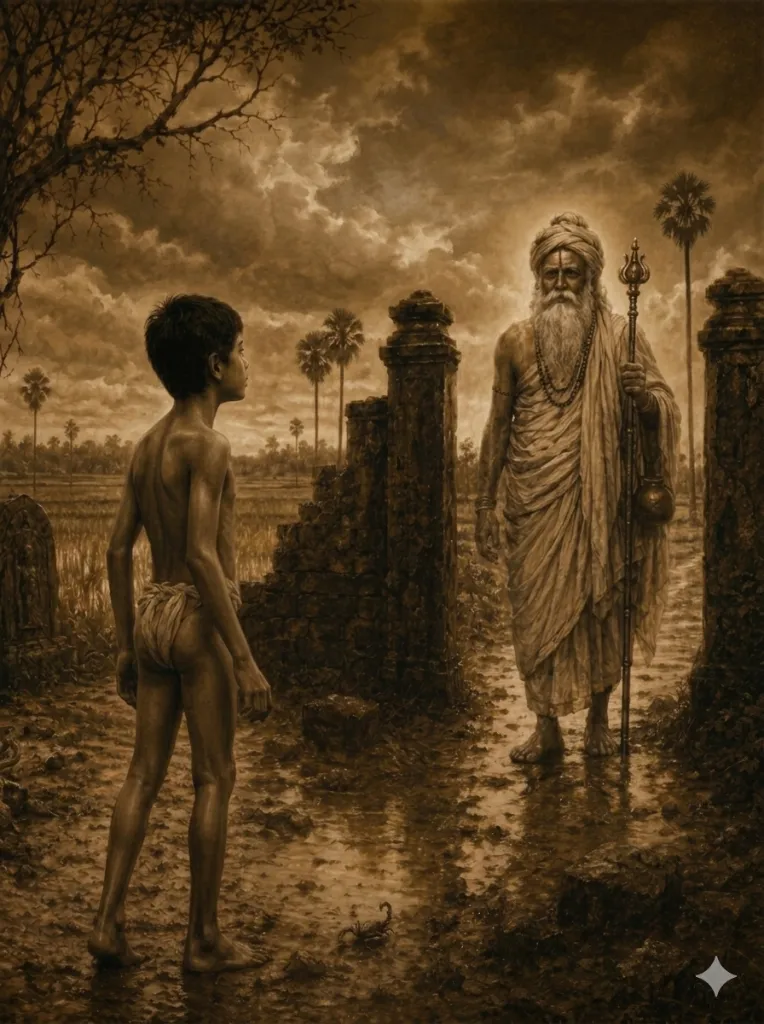
As he rose and began walking away, he saw the Jangama Sage standing at the entrance of the graveyard.
The Sage spoke firmly:
With unshakable resolve, Sathyaraju replied:
Under the guidance of the Jangama Sage, Sathyaraju entered into a path of Tapas that was far from ordinary. The discipline given to him was Dikh Tapas—one of the highest and most demanding form of austerity, undertaken only by those destined for the highest spiritual attainment.
Such was the path laid before Sathyaraju.
As he rose and began walking away, he saw the Jangama Sage standing at the entrance of the graveyard.
The Sage spoke firmly:
With unshakable resolve, Sathyaraju replied:
Under the guidance of the Jangama Sage, Sathyaraju entered into a path of Tapas that was far from ordinary. The discipline given to him was Dikh Tapas—one of the highest and most demanding form of austerity, undertaken only by those destined for the highest spiritual attainment.
Such was the path laid before Sathyaraju.
In this austere practice, the young seeker was required to align himself with each of the cardinal directions, one after the other. Facing a single direction at a time, remaining in deep, unwavering meditation—hours turning into days, and days into years. Only when the subtle spiritual power, or siddhi, of that direction was attained would he move on to the next.
For Sathyaraju, the journey unfolded with unwavering precision. He began by facing the North for four long years, followed by three years facing the East, and another three facing the South. Then came the West—regarded as the most challenging of all directions—where he remained in intense Tapas for two years. At last, he returned once more to the North, completing the twelve years of continuous Tapas.
Throughout this arduous journey, the Jangama Sage would appear at intervals—guiding, supporting, and silently inspiring the young tapasvin, ensuring that he remained steady on this extraordinary path.
In this austere practice, the young seeker was required to align himself with each of the cardinal directions, one after the other. Facing a single direction at a time, remaining in deep, unwavering meditation—hours turning into days, and days into years. Only when the subtle spiritual power, or siddhi, of that direction was attained would he move on to the next.
For Sathyaraju, the journey unfolded with unwavering precision. He began by facing the North for four long years, followed by three years facing the East, and another three facing the South. Then came the West—regarded as the most challenging of all directions—where he remained in intense Tapas for two years. At last, he returned once more to the North, completing the twelve years of continuous Tapas.
Throughout this arduous journey, the Jangama Sage would appear at intervals—guiding, supporting, and silently inspiring the young tapasvin, ensuring that he remained steady on this extraordinary path.
During these years, many tests arose.
There were severe physical challenges—his hands at times locked together, unable to open, and his legs losing all mobility, forcing him to crawl to the river for his daily bath. There were also encounters with the wild, including a cobra’s bite that left him unconscious for several days.
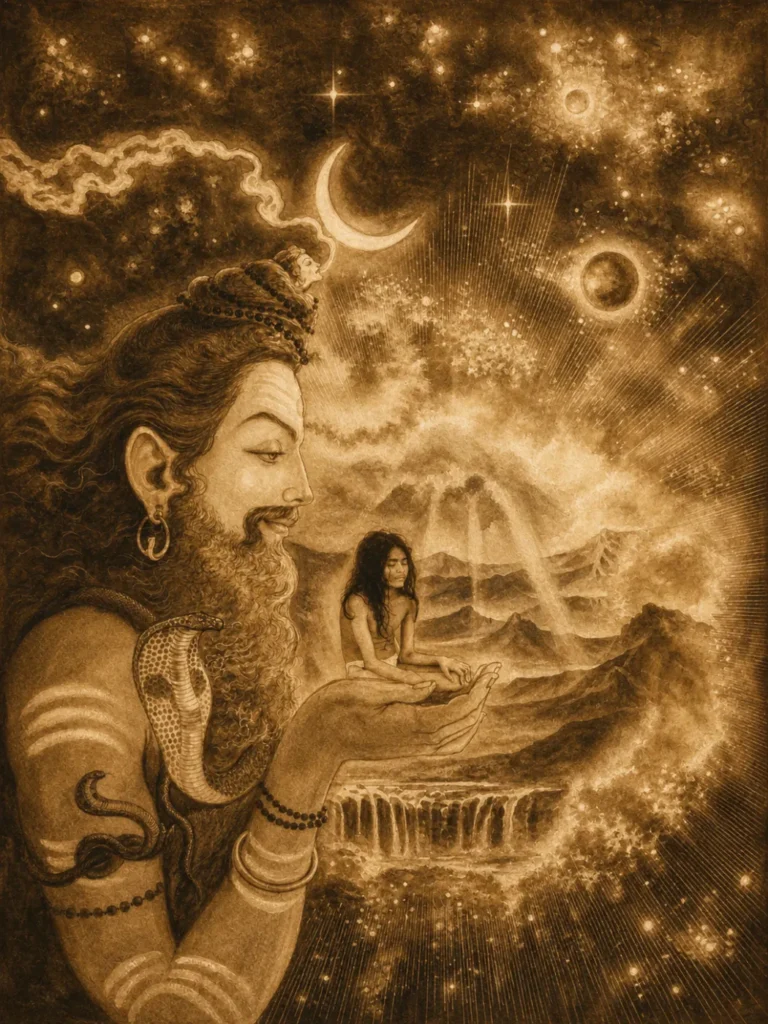
Alongside these were profound inner experiences—out-of-body journeys and vivid manifestations as real as the physical world itself, such as when the Jangama Sage led him to the realm of the Sun.
Yet beyond all these were countless distractions and subtle temptations—each one testing his resolve, each one attempting to draw him away from completing the full twelve years of Tapas.
During these years, many tests arose.
There were severe physical challenges—his hands at times locked together, unable to open, and his legs losing all mobility, forcing him to crawl to the river for his daily bath. There were also encounters with the wild, including a cobra’s bite that left him unconscious for several days.
Alongside these were profound inner experiences—out-of-body journeys and vivid manifestations as real as the physical world itself, such as when the Jangama Sage led him to the realm of the Sun.
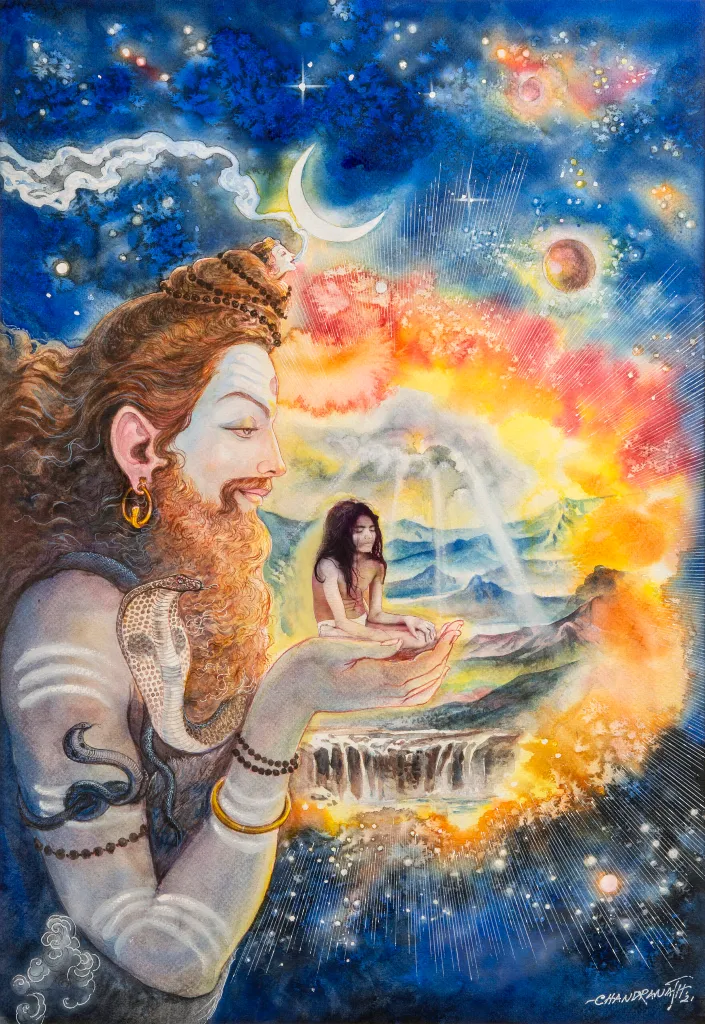
Yet beyond all these were countless distractions and subtle temptations—each one testing his resolve, each one attempting to draw him away from completing the full twelve years of Tapas.
Thus, Sathyaraju completed the final journey of human birth.
As the twelve long years of Tapas drew to a close, one day, while absorbed in deep Samadhi, he felt a gentle tap upon his leg. Slowly returning to outward awareness, he opened his eyes.
Before him stood two radiant beings—one female and one male—shining with a divine effulgence.
For a moment, the young Yogi gazed in astonishment. Then he spoke:

Thus, Sathyaraju completed the final journey of human birth.
As the twelve long years of Tapas drew to a close, one day, while absorbed in deep Samadhi, he felt a gentle tap upon his leg. Slowly returning to outward awareness, he opened his eyes.
Before him stood two radiant beings—one female and one male—shining with a divine effulgence.
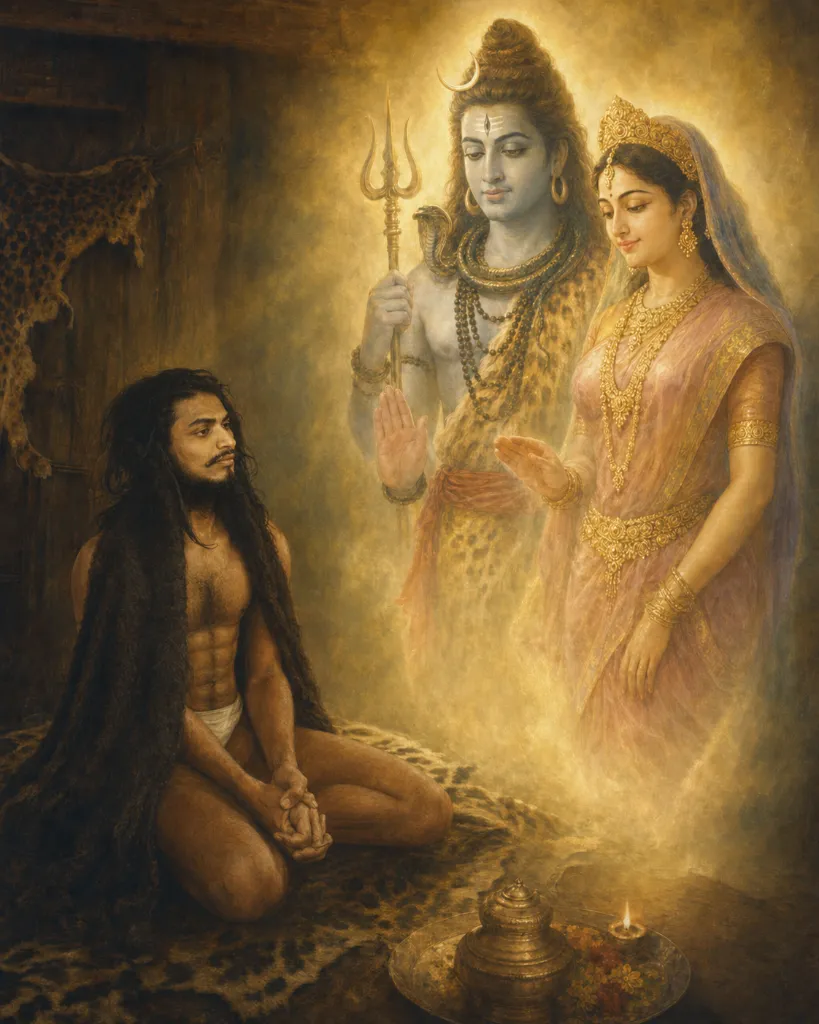
For a moment, the young Yogi gazed in astonishment. Then he spoke:

The male figure replied with a serene smile:
Hearing this, Sathyaraju was overcome with devotion. Realising that it was none other than Lord Shiva Himself who had guided him throughout, he immediately fell prostrate, offering sashtanga pranams.
Until that moment, he had not known the true identity of the Sage who had appeared to him again and again during his years of Tapas.
The male figure replied with a serene smile:
Hearing this, Sathyaraju was overcome with devotion. Realising that it was none other than Lord Shiva Himself who had guided him throughout, he immediately fell prostrate, offering sashtanga pranams.
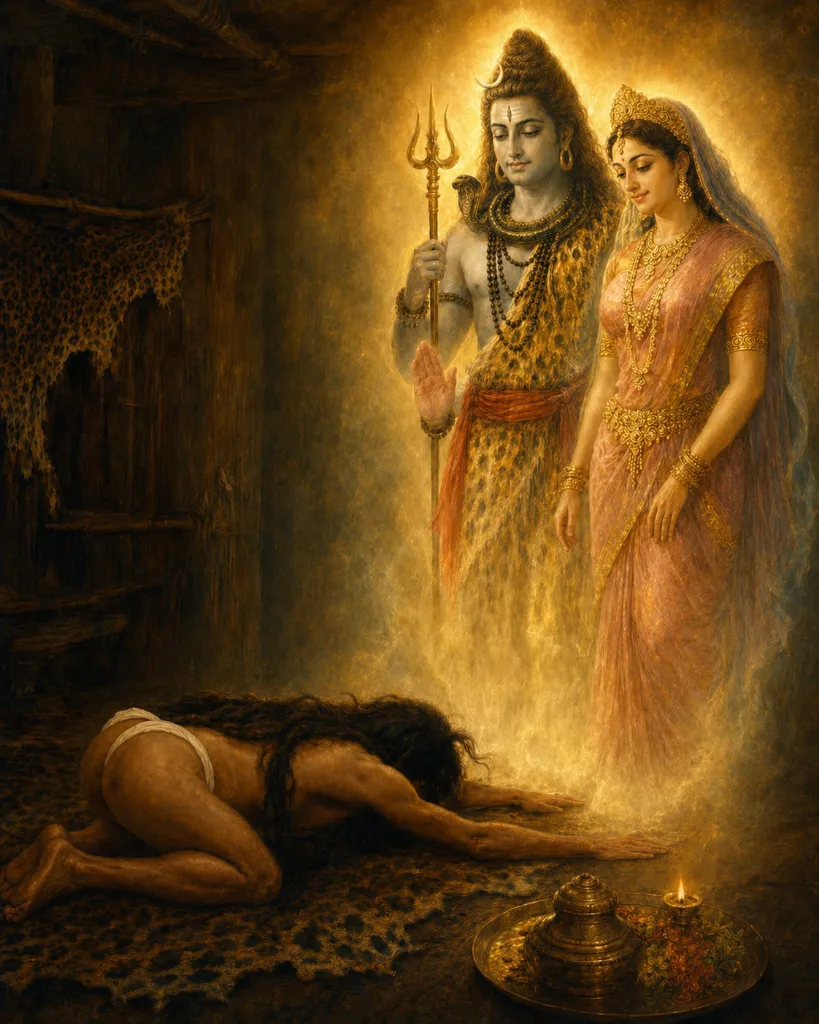
Until that moment, he had not known the true identity of the Sage who had appeared to him again and again during his years of Tapas.
Then Lord Shiva spoke:
With deep humility, the young Yogi replied:

Then Lord Shiva spoke:
With deep humility, the young Yogi replied:

Lord Shiva smiled and said:
In that sacred moment, Lord Shiva and Goddess Parvati entered into him—Shiva merging into his left side and Parvati into his right. From then on, Swamiji would say that he embodied the principle of Ardhanarishwara—the Divine as the union of both masculine and feminine.
Lord Shiva smiled and said:
In that sacred moment, Lord Shiva and Goddess Parvati entered into him—Shiva merging into his left side and Parvati into his right. From then on, Swamiji would say that he embodied the principle of Ardhanarishwara—the Divine as the union of both masculine and feminine.
On one occasion, Babaji asked his Guru about this profound experience:
Swamiji replied simply:
Thus began the divine mission entrusted to him—to bring peace to the world by guiding humanity onto the path of meditation, and helping each one rediscover their own true Self.
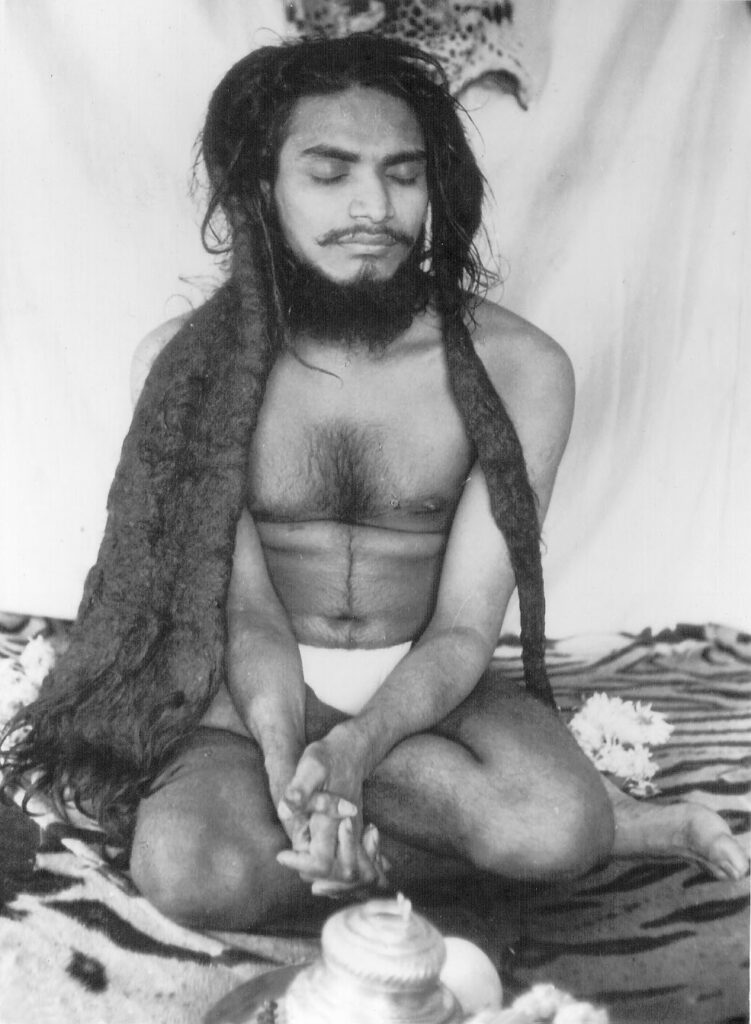
On one occasion, Babaji asked his Guru about this profound experience:
Swamiji replied simply:
Thus began the divine mission entrusted to him—to bring peace to the world by guiding humanity onto the path of meditation, and helping each one rediscover their own true Self.
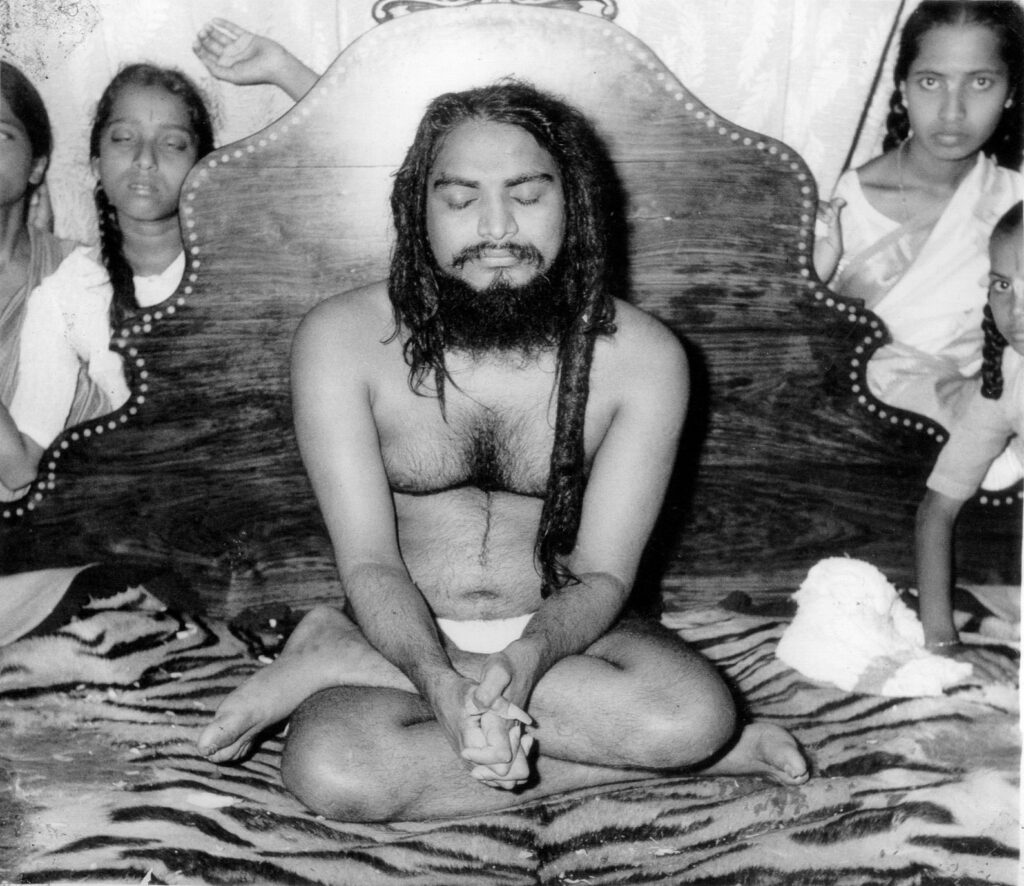
From that moment onward, Swamiji’s life became a living expression of the Divine Will.
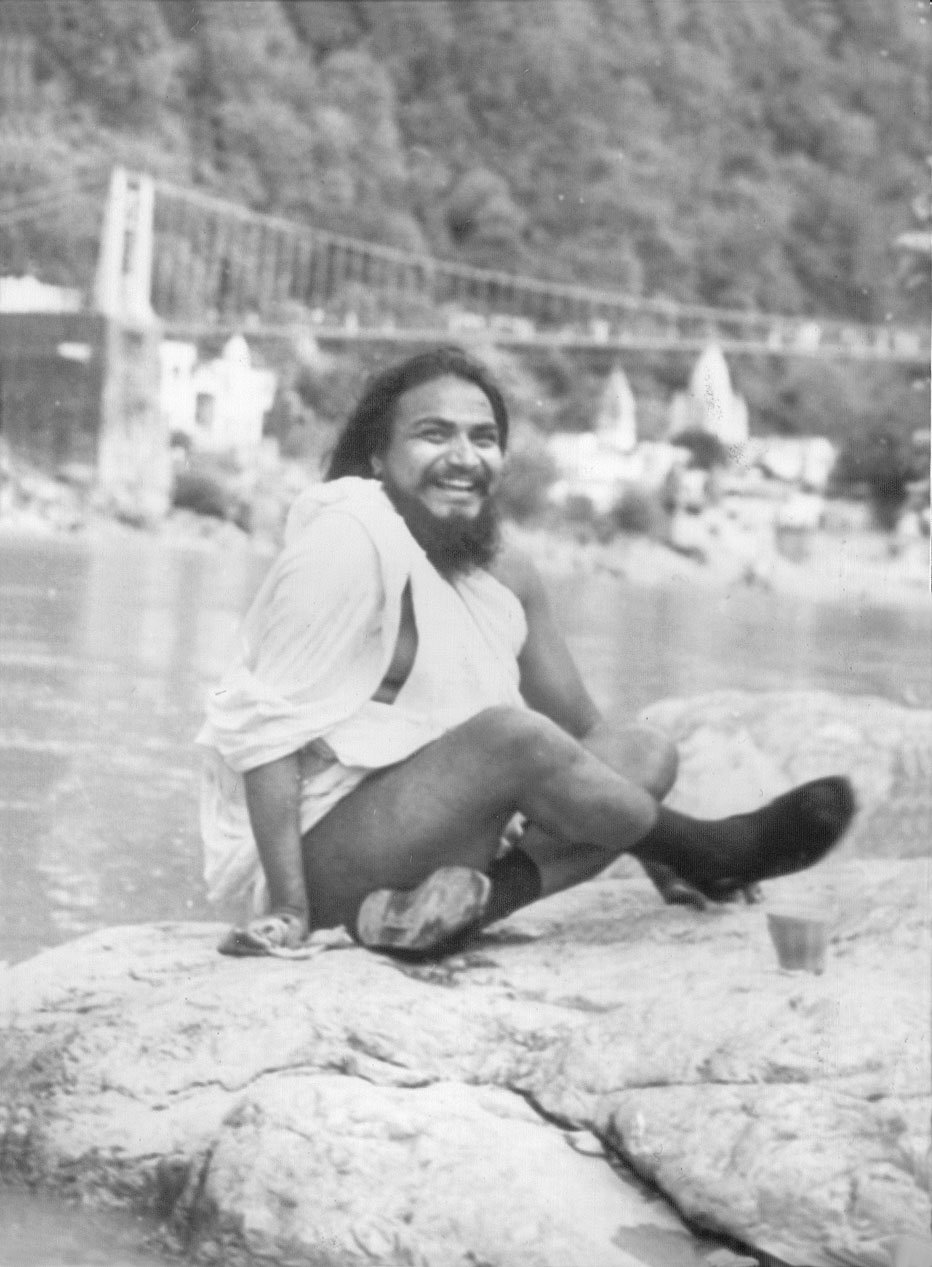
He travelled extensively across India, and later to the United States, UK and Europe, freely and openly offering initiation into Jangama Dhyana—the very meditation through which he had attained Self-Realisation. With no distinction of race, gender, age, caste, or religion, he welcomed all who came, sharing his teachings and inspiring countless seekers on the path within.
This was the essence of his teaching:
After thirty-three years of tireless service to humanity, during which he initiated millions into Jangama Dhyana, Swamiji entered Mahasamadhi in 1994. Yet his mission did not end. It continues to this day—freely and openly guiding seekers, offering initiation and teachings to all those fortunate enough to be drawn to his path.
From that moment onward, Swamiji’s life became a living expression of the Divine Will.
He travelled extensively across India, and later to the United States, UK and Europe, freely and openly offering initiation into Jangama Dhyana—the very meditation through which he had attained Self-Realisation. With no distinction of race, gender, age, caste, or religion, he welcomed all who came, sharing his teachings and inspiring countless seekers on the path within.
This was the essence of his teaching:
After thirty-three years of tireless service to humanity, during which he initiated millions into Jangama Dhyana, Swamiji entered Mahasamadhi in 1994. Yet his mission did not end. It continues to this day—freely and openly guiding seekers, offering initiation and teachings to all those fortunate enough to be drawn to his path.
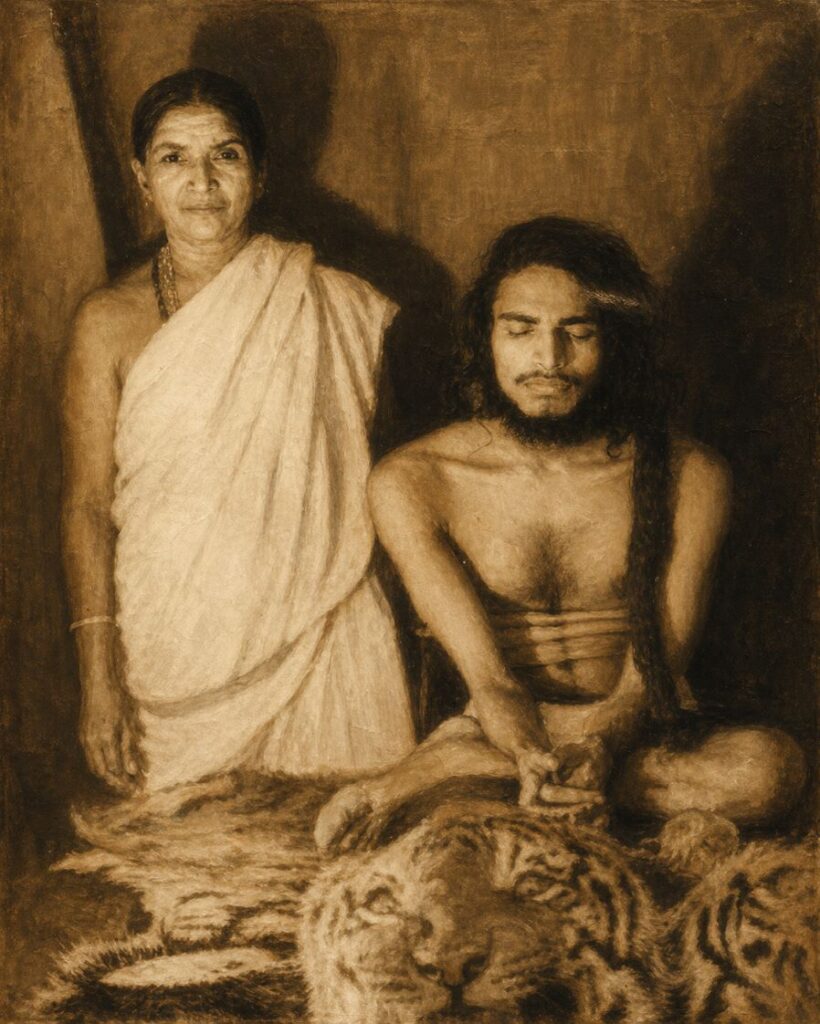
Perhaps Swamiji’s first disciple, played a vital and indispensable role in his life. With complete selflessness and unwavering devotion, she took upon herself the responsibility of caring for him during the twelve long and arduous years of his intense Tapas and in the years of the mission that followed.
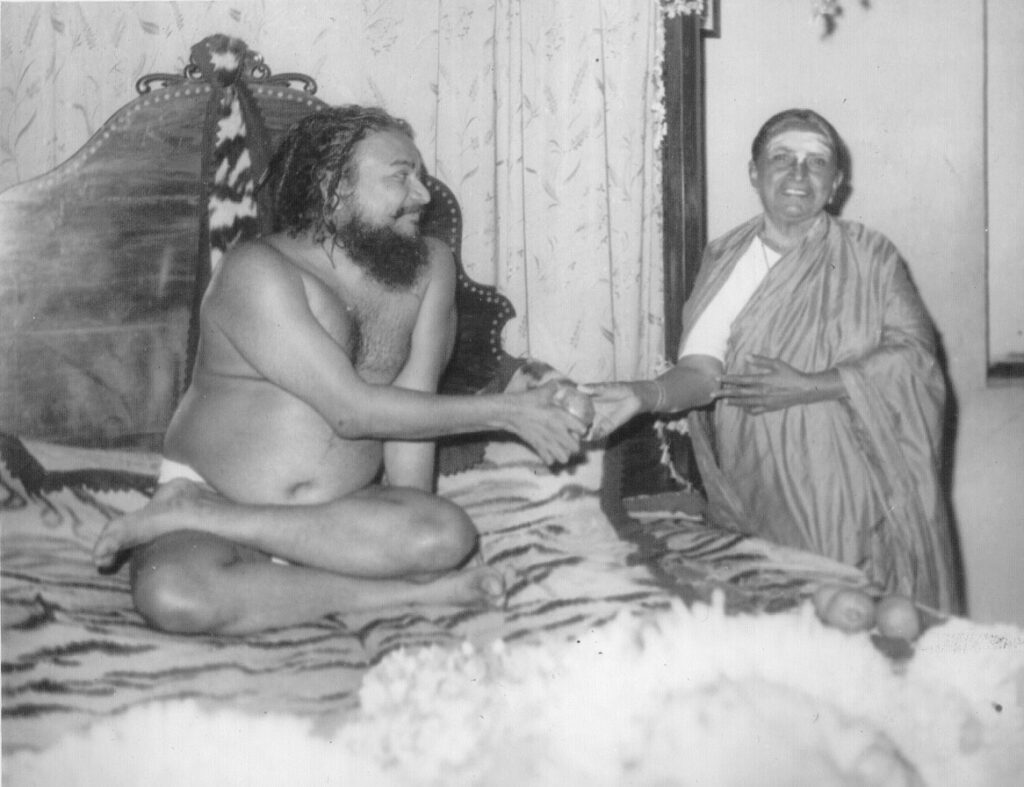
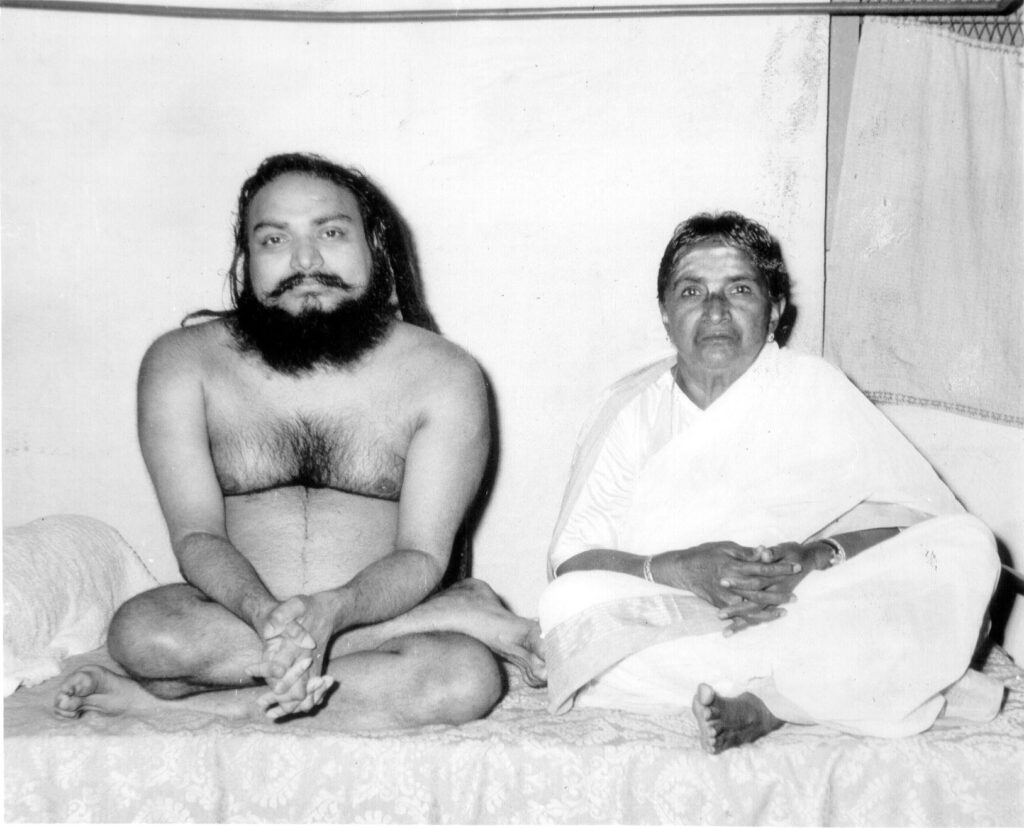
Day after day, she would bring him his simple nourishment—a glass of milk—while also protecting and tending to his physical body. She safeguarded the Dhyana Mandir that was later built for him, and in countless quiet ways, supported him through that extraordinary period.
In the beginning, however, her heart was filled with distress. To see her young son—only fourteen years old—sitting in deep, detached absorption, seemingly unaware of the world around him, was a source of great anguish for a mother.
During this time, the young boy once told his mother that if anything were to happen to his physical body, it should be given the final rites due to a Yogi.
Day after day, she would bring him his simple nourishment—a glass of milk—while also protecting and tending to his physical body. She safeguarded the Dhyana Mandir that was later built for him, and in countless quiet ways, supported him through that extraordinary period.
In the beginning, however, her heart was filled with distress. To see her young son—only fourteen years old—sitting in deep, detached absorption, seemingly unaware of the world around him, was a source of great anguish for a mother.
During this time, the young boy once told his mother that if anything were to happen to his physical body, it should be given the final rites due to a Yogi.
That was the time when she was blessed with the divine vision of the Trimurti.
From that moment onward, she understood that this was no ordinary child, but a divine being under the protection of the Supreme. She no longer saw him merely as her son, but as a great Yogi—one who had come not only for their family, but for the upliftment of all humanity.
In that realisation, Mother Parvatamma herself was transformed. She became a mother not only to Swamiji, but to all who came to Him. With boundless love, humility, and generosity, she dedicated her life entirely to his mission, caring for devotees as her own children and serving all with a heart full of compassion.
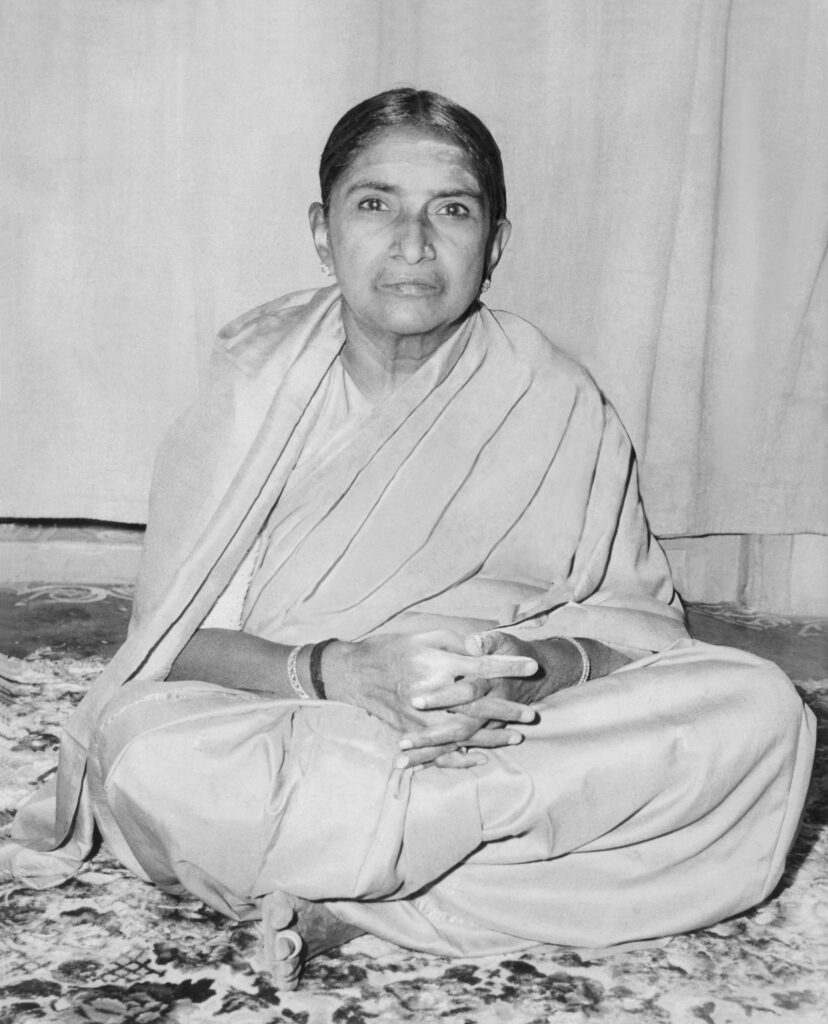
That was the time when she was blessed with the divine vision of the Trimurti.
From that moment onward, she understood that this was no ordinary child, but a divine being under the protection of the Supreme. She no longer saw him merely as her son, but as a great Yogi—one who had come not only for their family, but for the upliftment of all humanity.
In that realisation, Mother Parvatamma herself was transformed. She became a mother not only to Swamiji, but to all who came to Him. With boundless love, humility, and generosity, she dedicated her life entirely to his mission, caring for devotees as her own children and serving all with a heart full of compassion.
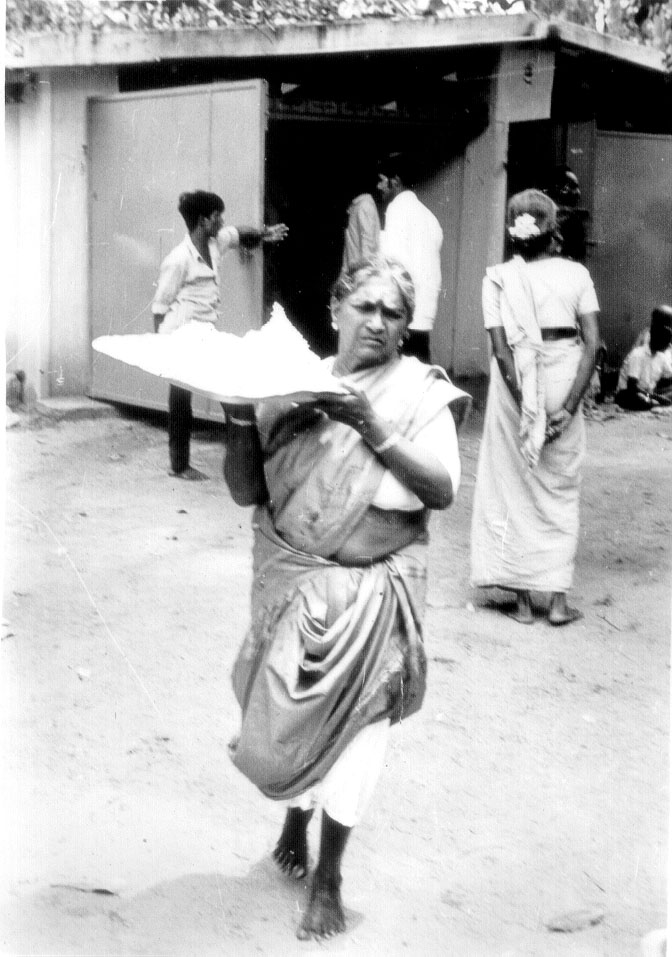
She personified the qualities of humility, care, honesty, and selfless service. Though she was the mother of such a great Yogi, she never sought any special status or position in His Ashram. Instead, she told Swamiji that she needed nothing for herself, and that she would be content to sleep in a corner and simply serve the mission. In every way she could, she made herself useful—cooking, serving, cleaning, and assisting Swamiji during the programmes. Even if devotees arrived at the Ashram early in the morning, she would rise without hesitation to prepare food for them.
During the time of the great famine and scarcity, when rice was in very short supply, Mother Parvatamma still insisted on feeding everyone who came. Her heart could not bear to turn anyone away. It is said that even Swamiji could not stop her from serving food so generously. With the natural authority of a mother and the faith of a true devotee, she even scolded Swamiji and told Him to see that the rice should not run out.
She personified the qualities of humility, care, honesty, and selfless service. Though she was the mother of such a great Yogi, she never sought any special status or position in His Ashram. Instead, she told Swamiji that she needed nothing for herself, and that she would be content to sleep in a corner and simply serve the mission. In every way she could, she made herself useful—cooking, serving, cleaning, and assisting Swamiji during the programmes. Even if devotees arrived at the Ashram early in the morning, she would rise without hesitation to prepare food for them.
During the time of the great famine and scarcity, when rice was in very short supply, Mother Parvatamma still insisted on feeding everyone who came. Her heart could not bear to turn anyone away. It is said that even Swamiji could not stop her from serving food so generously. With the natural authority of a mother and the faith of a true devotee, she even scolded Swamiji and told Him to see that the rice should not run out.
Our beloved Guru, Shivabalayogi, is one of the greatest Yogis India has produced. If you have heard and read about Bhagavan Buddha, Shri Ramakrishna Paramahamsa, Shri Rama, Shri Krishna, Shri Ramana, Lord Dakshina Murthy: Swamiji is the embodiment of all these. He is the Yoga Vasishta Personified. As Maharshi Ramana puts it:
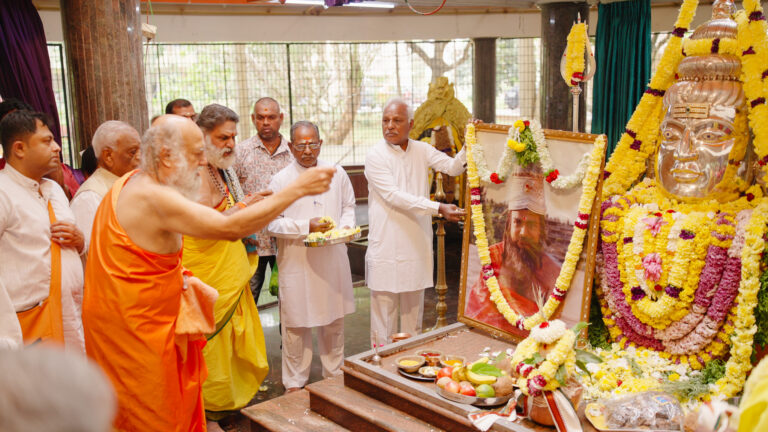
When He lived with us physically, it was like God living with us.
Our beloved Guru, Shivabalayogi, is one of the greatest Yogis India has produced. If you have heard and read about Bhagavan Buddha, Shri Ramakrishna Paramahamsa, Shri Rama, Shri Krishna, Shri Ramana, Lord Dakshina Murthy: Swamiji is the embodiment of all these. He is the Yoga Vasishta Personified. As Maharshi Ramana puts it:
When He lived with us physically, it was like God living with us.
How can anybody take His place? Even after doing Tapas, we are the dust at His Lotus Feet. I remember once Swamiji giving a wonderful example:
Coming generations may accept us as a Guru but to our beloved Guru Swamiji we are always disciples, we are always children and servants.Today Swamiji may have disappeared from the physical eyes of the world but He continues to show His presence to one who does sadhana seriously and sincerely. He is a Living Yogi. He is everywhere, we cannot limit Him to one physical body. There are so many who are working for Swamiji’s Mission, inspired and guided by Swamiji. There are so many who are doing sadhanaby the grace and blessings of our beloved Swamiji.
How can anybody take His place? Even after doing Tapas, we are the dust at His Lotus Feet. I remember once Swamiji giving a wonderful example:
Coming generations may accept us as a Guru but to our beloved Guru Swamiji we are always disciples, we are always children and servants.Today Swamiji may have disappeared from the physical eyes of the world but He continues to show His presence to one who does sadhana seriously and sincerely. He is a Living Yogi. He is everywhere, we cannot limit Him to one physical body. There are so many who are working for Swamiji’s Mission, inspired and guided by Swamiji. There are so many who are doing sadhanaby the grace and blessings of our beloved Swamiji.
Shri Babaji teaches that Swamiji is not limited to any single form, place, or body, but is the all-pervading Divine, present in every heart.
He does not support the idea that any individual can claim to have become Swamiji, or to be possessed by him, nor that Swamiji manifests through any particular human form. Such notions, he explains, arise from misunderstanding the true nature of the Divine.
Swamiji is ever-present, all-pervading, and beyond all limitations. He does not need to come from one place to another, for he is already everywhere.
To find Swamiji, one need only turn within. Through sincere sadhana and the practice of meditation, the mind becomes still and introverted. In that inner stillness, Swamiji is realised—just as one comes to know the Divine within oneself.
Shri Babaji teaches that Swamiji is not limited to any single form, place, or body, but is the all-pervading Divine, present in every heart.
He does not support the idea that any individual can claim to have become Swamiji, or to be possessed by him, nor that Swamiji manifests through any particular human form. Such notions, he explains, arise from misunderstanding the true nature of the Divine.
Swamiji is ever-present, all-pervading, and beyond all limitations. He does not need to come from one place to another, for he is already everywhere.
To find Swamiji, one need only turn within. Through sincere sadhana and the practice of meditation, the mind becomes still and introverted. In that inner stillness, Swamiji is realised—just as one comes to know the Divine within oneself.

Listen to Babaji’s Question and Answer sessions wherever you are.
Available to download and listen offline.




Sign up and subscribe to our mailing list to receive emails on Shri Babaji’s teachings, discourses, events and world tour details.
“As you go on meditating, that will take you to the Ultimate Truth, which is recognized as Divinity. See, the same Divinity, in science they
Shri Babaji explains that the student should be sincere, wanting the Ultimate Truth, Self Realization and not compromise for smaller things, then the grace of
Shri Babaji explains the instruction to ‘just watch’ in the meditation technique Jangama Dhyana, practiced since ancient times in India. You see, I kept telling,

Shri Babaji explains what is the best approach when putting in efforts to achieve a goal; if you remain focused, keep positive, try again and
Babaji explains that if everything happened according to our wishes, why would you need the Divinity? When we are away from the Divine we suffer,
Babaji sings the bhajan Dhimika Dhimika Dhim, recorded in 2001 at a program given by Babaji at Finesse Language school in Dehradun.
Taken from the Q&A ‘The mind and the Self’ In Quest of Truth – Babaji Q&A, No. 259
Babaji talks of the knowledge of the great sages who enquired into the Self to find from where the ‘I’ feeling was coming. Within this

Leo, a Romanian devotee, talks about the time he visited the Dehradun Ashram 27 years ago in November 1998 and witnessed Babaji sitting in Samadhi

Shri Babaji explains the 3 stages that occur as the mind gets more concentrated in Tapas on the way to achieving Self Realisation. Find out

“This was a mesmerizing song that Adi Shankara had composed. It says Adi Shankara was camping in the pilgrimage town of Banaras Kashi in India.
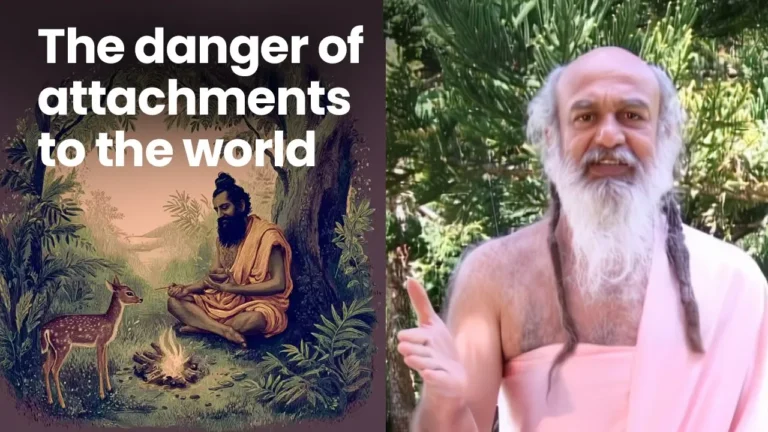
Shri Babaji tells the story of Jadabharata, which His Master Shri Shivabalayogi Maharaj used to narrate. The story warns that having attachments to the world