

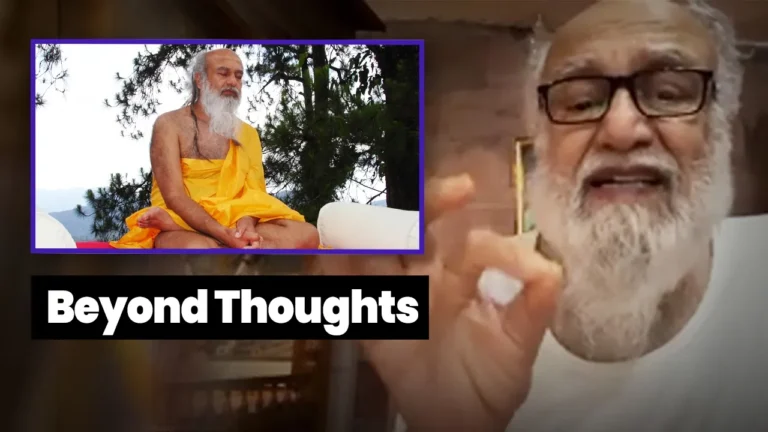
Talk
How Meditation takes you to the Ultimate Truth (The Divinity)
“As you go on meditating, that will take you to the Ultimate Truth, which is recognized as Divinity. See, the same Divinity, in science they
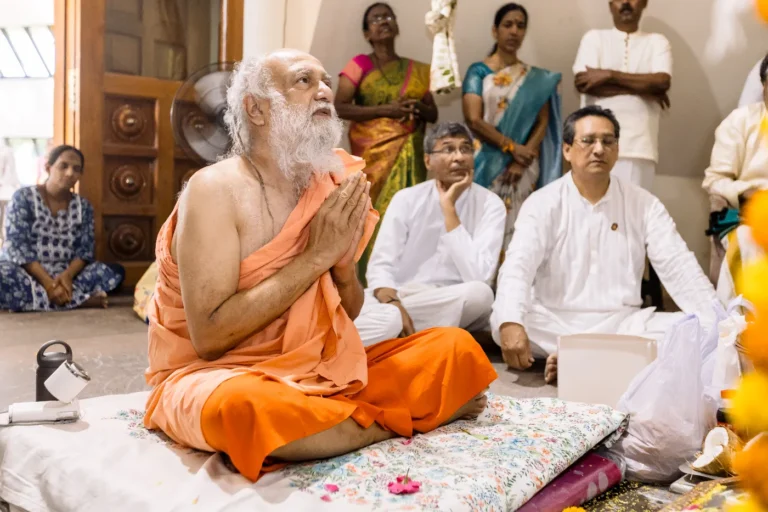
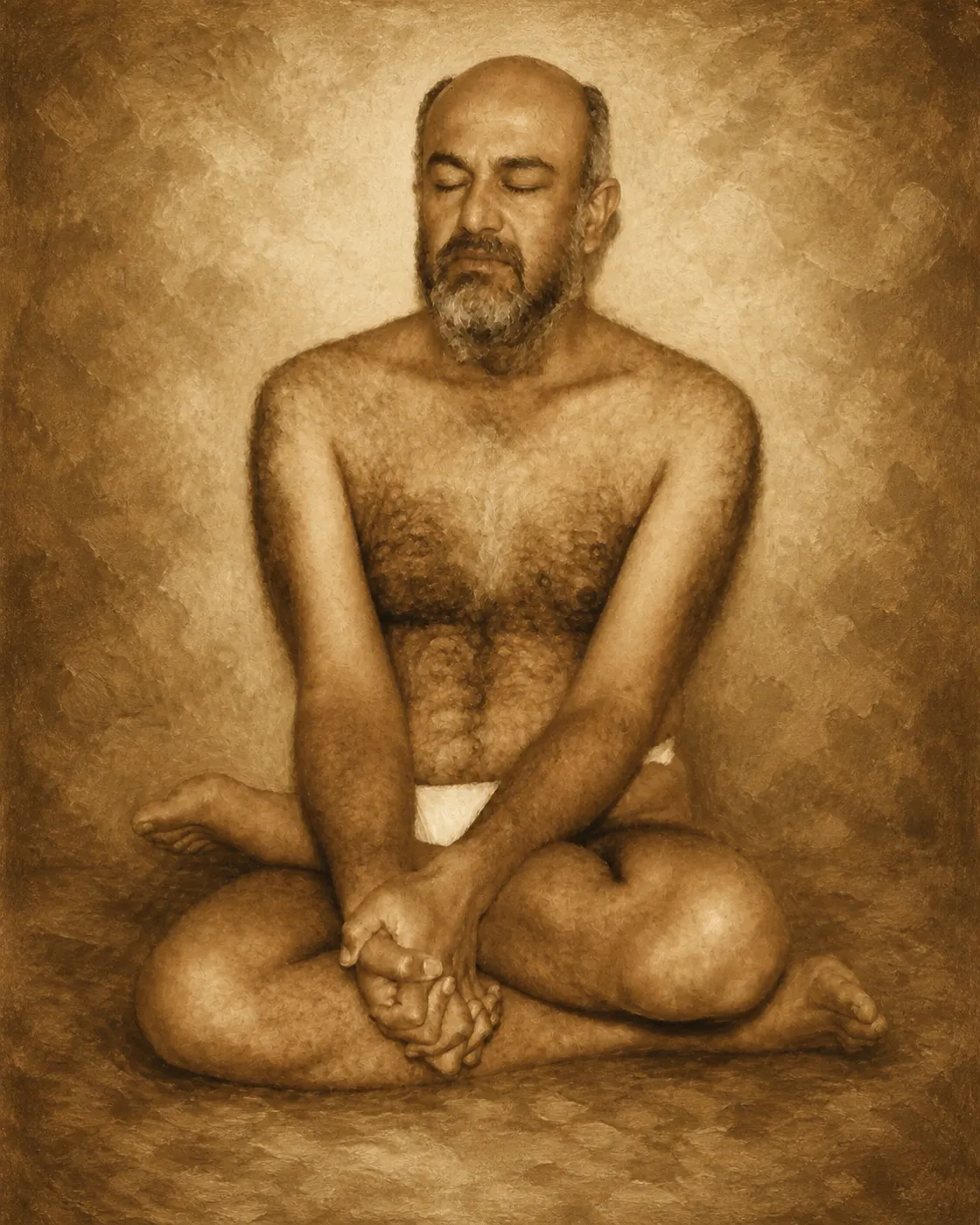
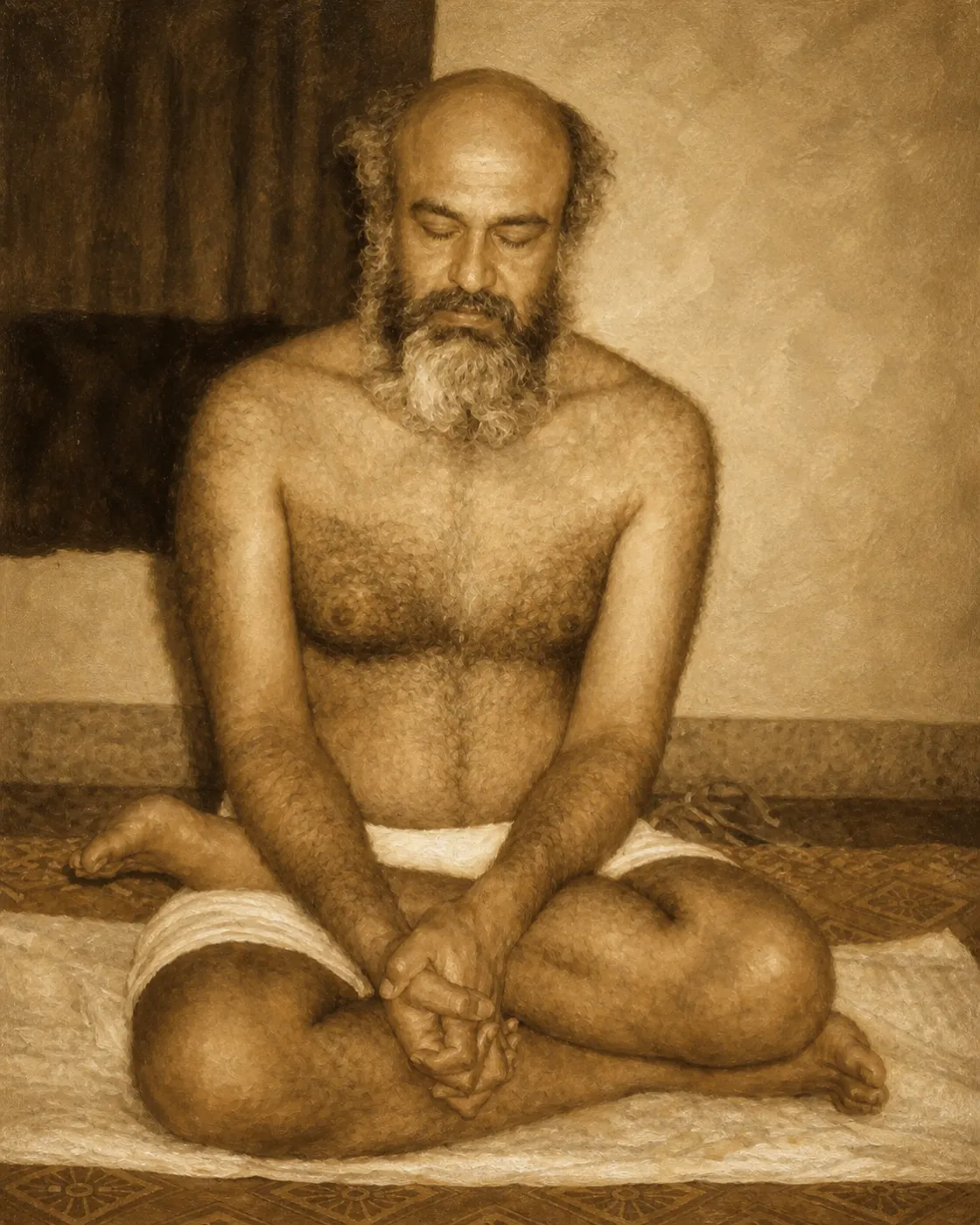
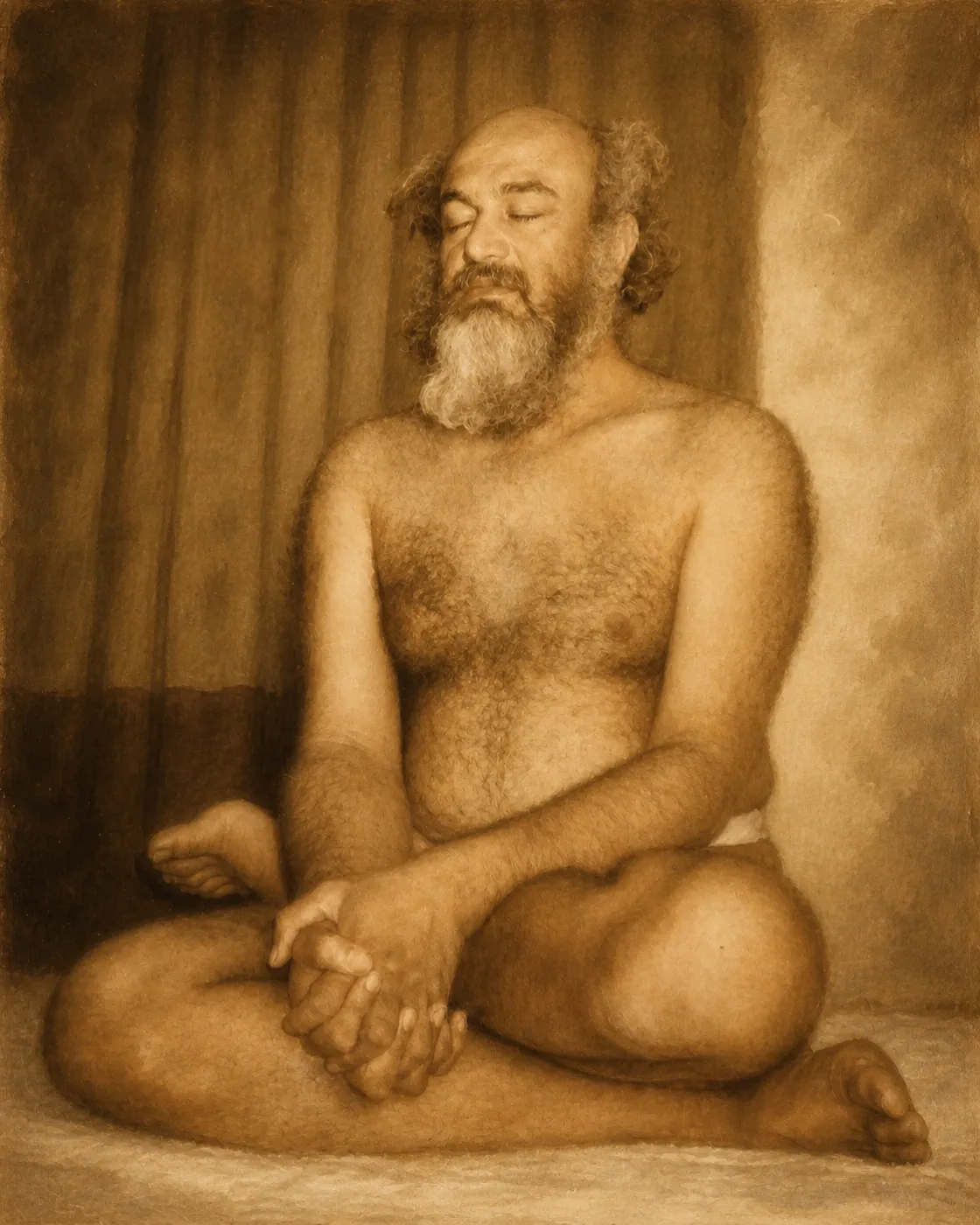
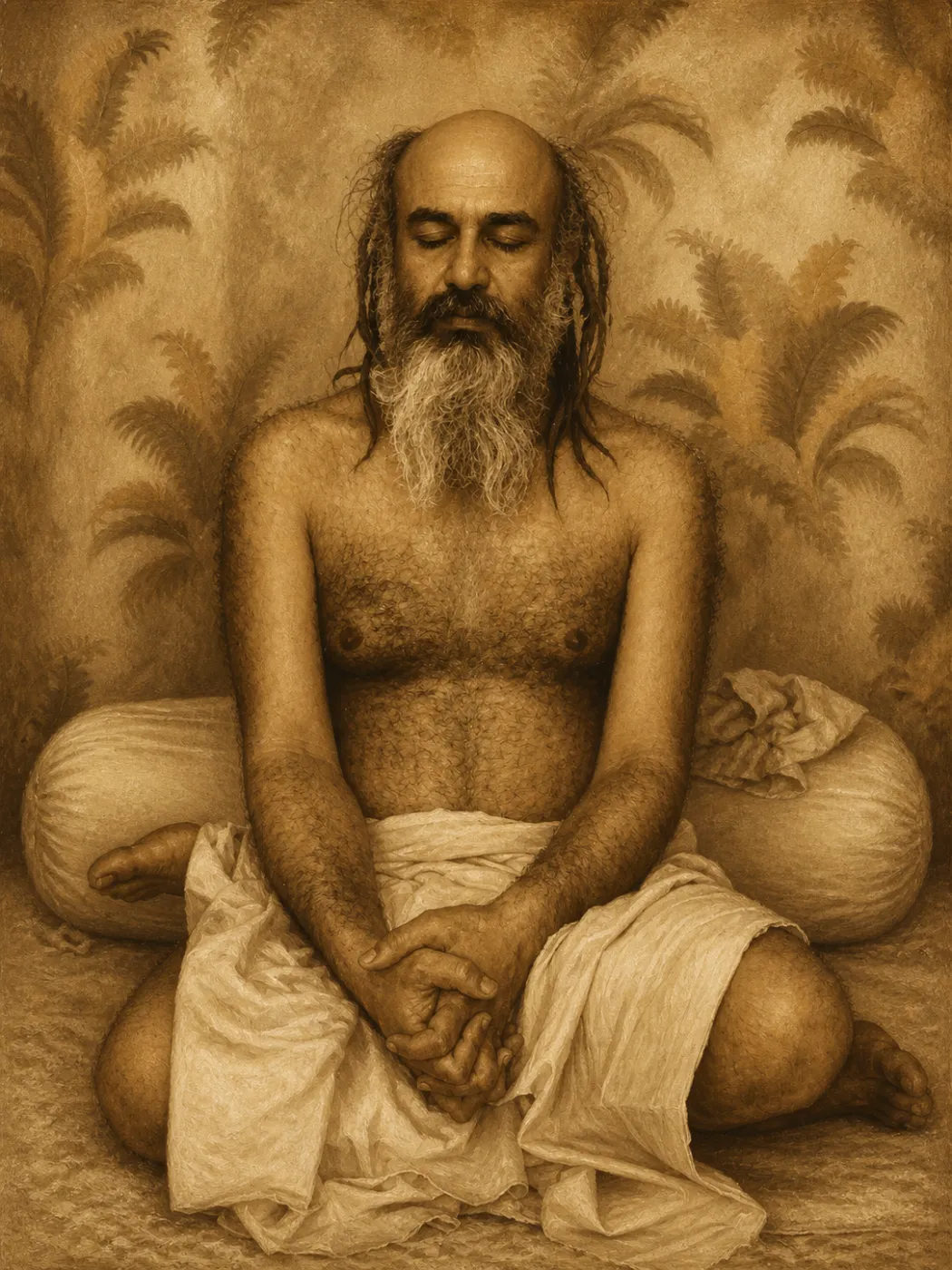
Shri Shivarudra Balayogi Maharaj, affectionately known as Babaji by his devotees, is a realised Yogi who embodies the highest ideals of discipleship. Having attained Self-Realisation through unwavering devotion, selfless service, Tapas, and the grace of his Guru, his life stands as a living example of the spiritual path.

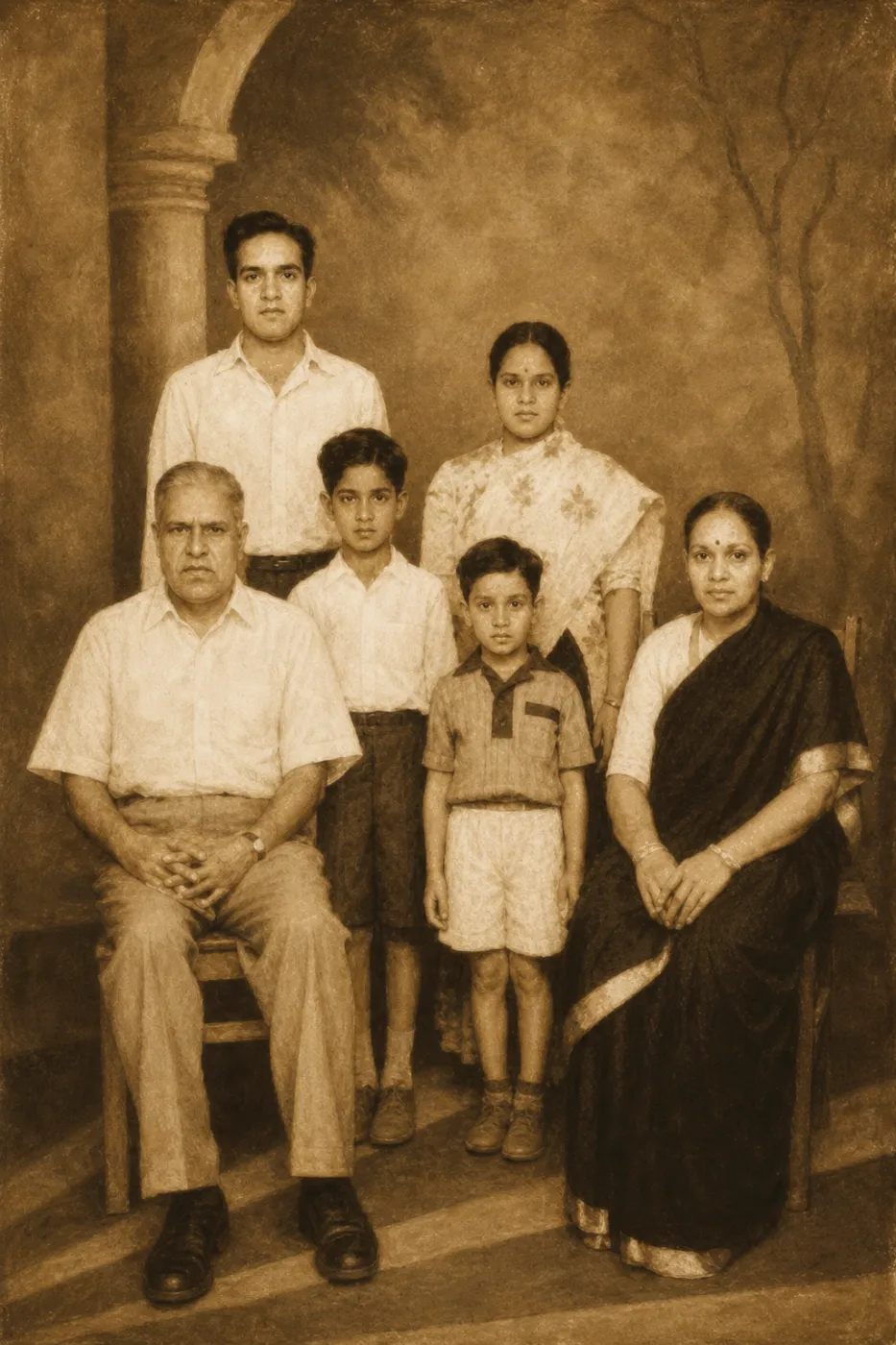
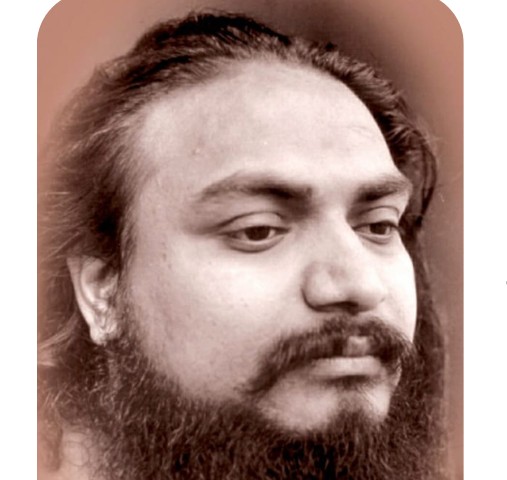
Shri Shivarudra Balayogi Maharaj was born as Srinivasa Dikshitar in 1954, in the town of Kolar in South India, into a pious Brahmin family. Affectionately called “Seenu,” he was the youngest of four children and was naturally cherished by all.
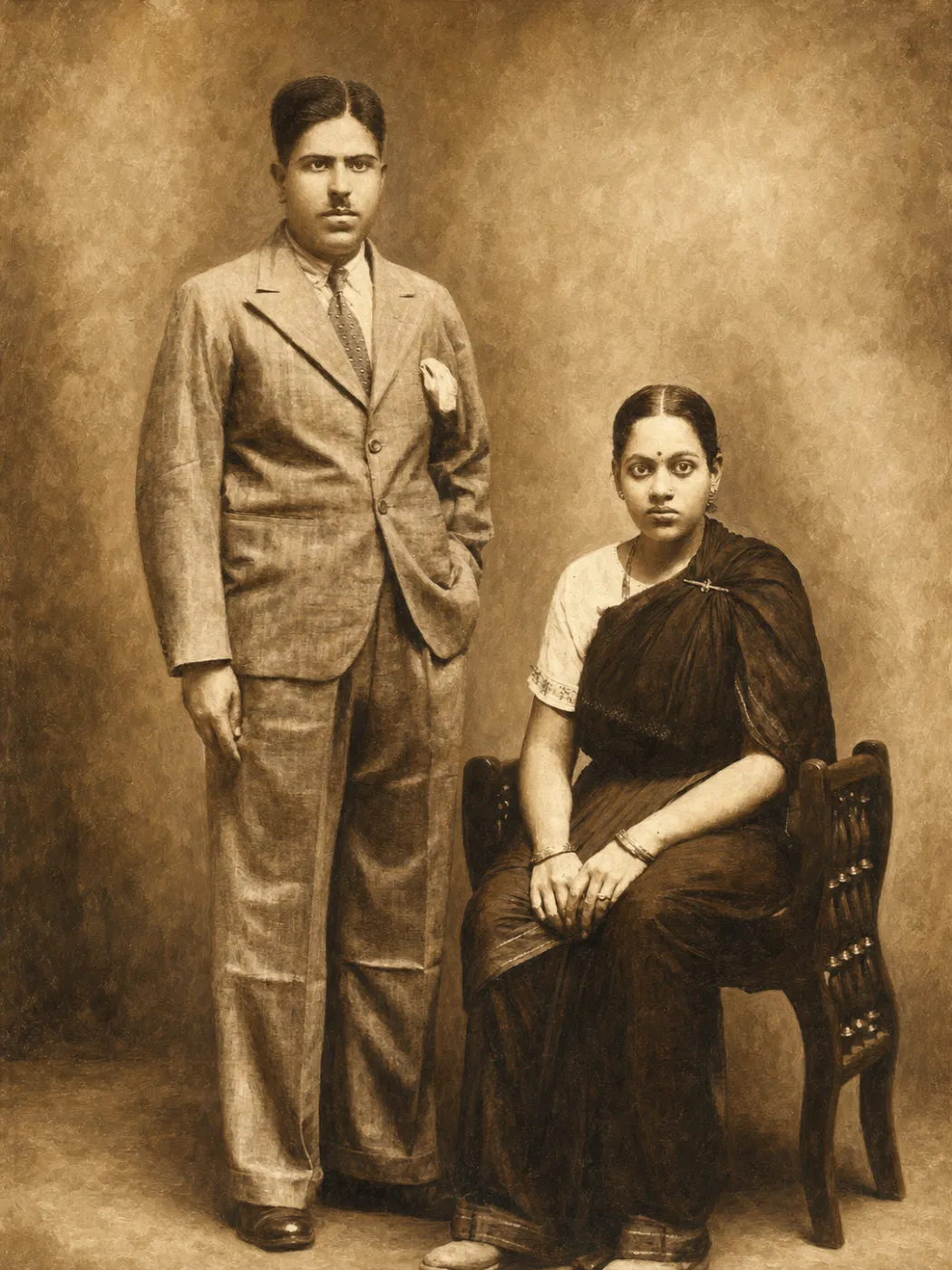
His parents, Shankara and Sharada Dikshitar, raised their children with great care and attention, nurturing in them strong values, inner strength, and a sense of moral integrity. Their aim was not only to provide for the family, but to guide their children towards a life of righteousness, enabling them to face and overcome life’s inevitable challenges with courage and dignity.
His father, Shankara, had faced great hardship early in life, having lost his parents while still a young boy. Yet through determination, hard work, and perseverance, he overcame these challenges and went on to qualify as a medical doctor, dedicating his life to serving humanity.
He worked tirelessly for his patients, often without regard for his own comfort, and would never hesitate to treat those in need without charge. For him, service to humanity was not merely a duty, but a form of devotion—a way of serving God through selfless action.
His mother, Sharada, was raised in a deeply pious family and faithfully followed the traditional practices of worship and service. With a gentle yet steady influence, she nurtured in her children a devotional outlook on life, supported by clarity of understanding and inner strength.
Thus, Seenu grew up in an environment shaped by both devotion and selfless service—an atmosphere that quietly laid the foundation for his spiritual journey.
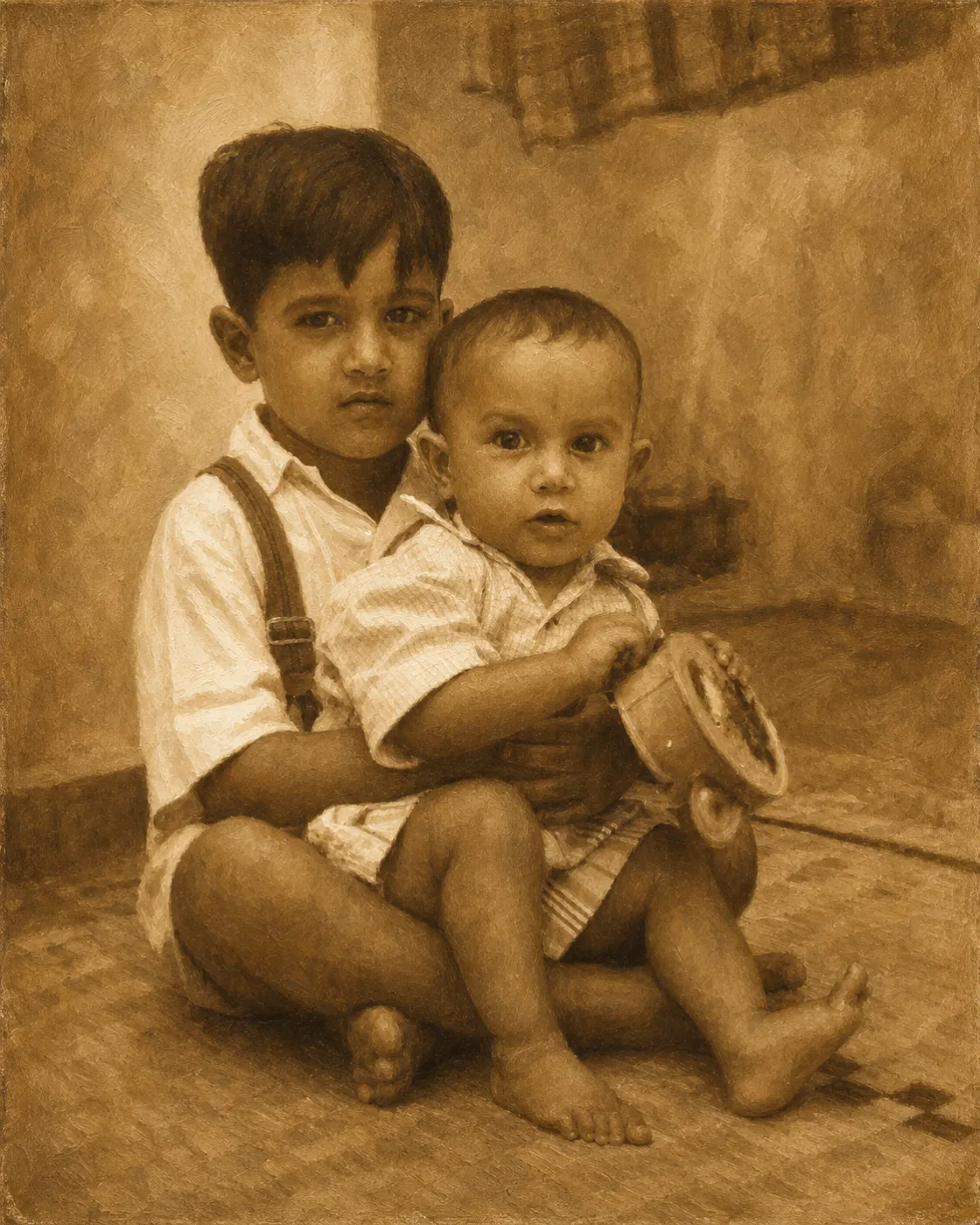
Though he grew up in comfortable surroundings, Seenu experienced from an early age a quiet and persistent sense of not belonging. There was within him a subtle feeling of alienation—as though something was not quite right, either within himself or in the world around him.
He would often wonder:
Even as a child, his mind turned inward in deep contemplation. He questioned the very nature of human experience:
Amidst these reflections, he would sometimes have a thought that he later recalled with a gentle smile—one that, strangely, brought him a sense of inner peace:
Such thoughts revealed the depth of his enquiry even at a young age, pointing toward a mind already searching for something beyond the fleeting nature of the world.
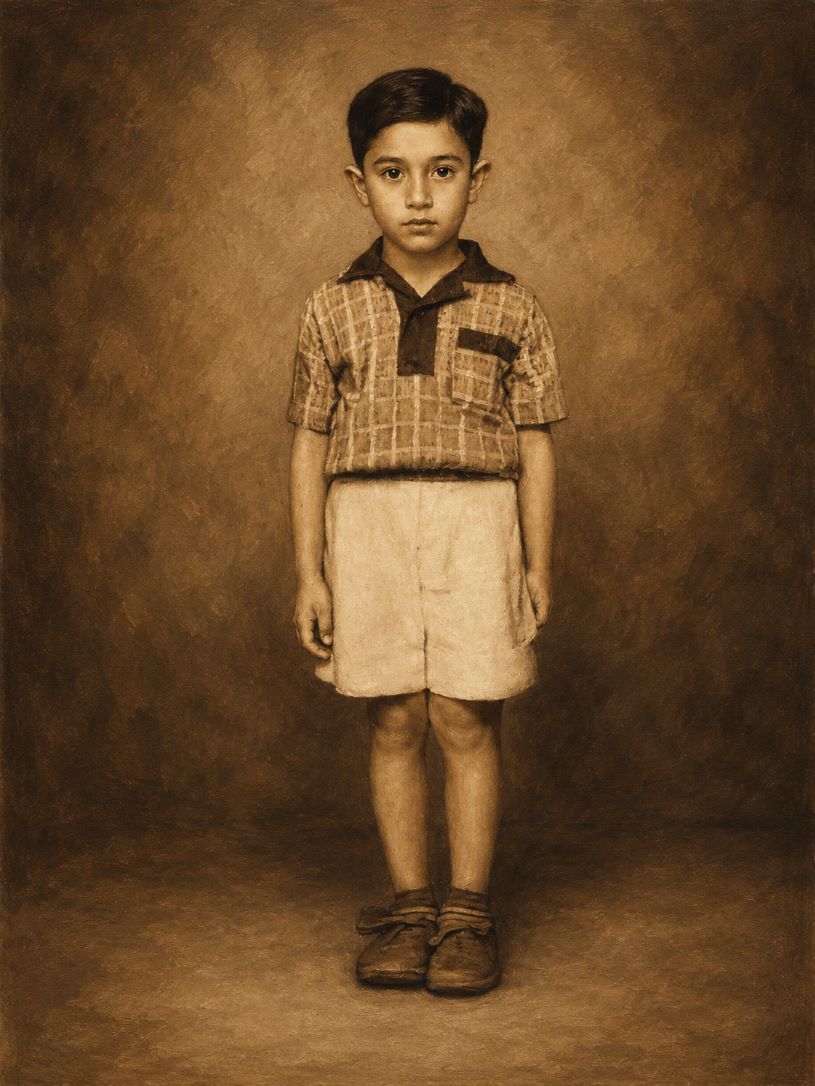
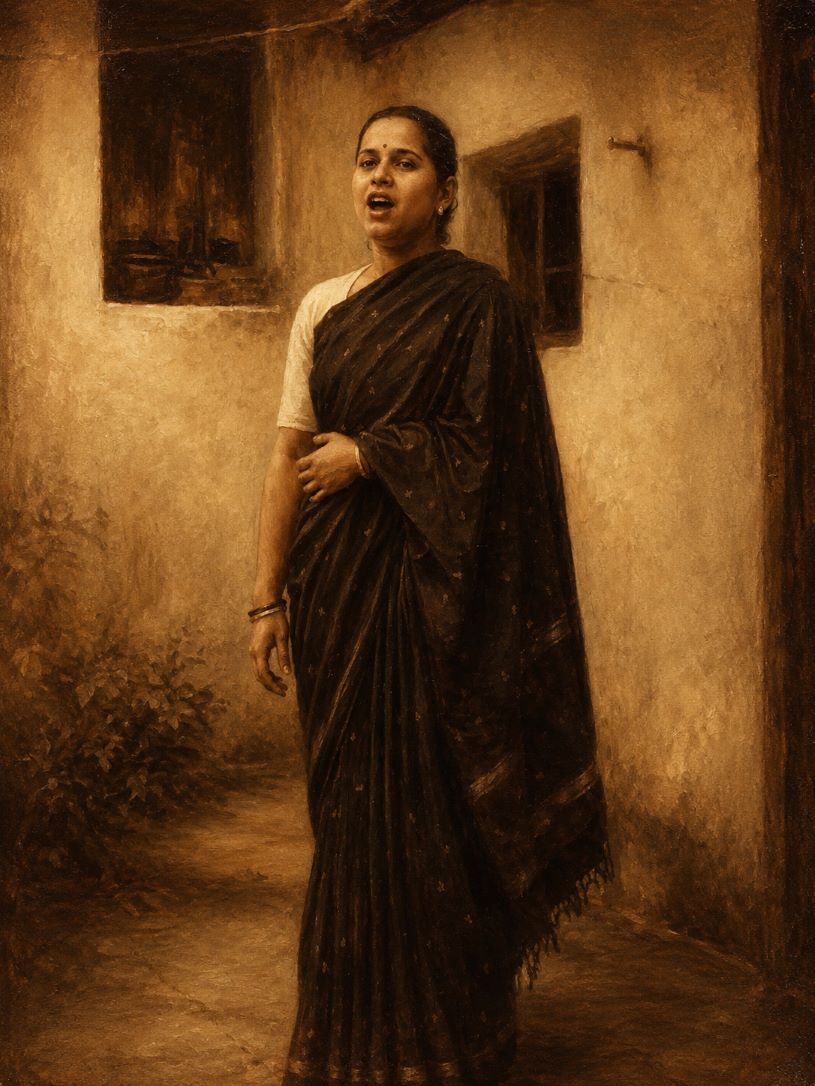
At the age of six or seven, Seenu happened to hear his sister singing the sacred hymn Bhaja Govindam, composed by the great Yogi-philosopher Adi Shankaracharya. Though still very young, something in those verses stirred him deeply.
The hymn itself arose from a powerful moment in the life of Adi Shankaracharya. In the holy city of Benares, he once saw a scholar absorbed in memorising a grammar word—Dukrin Karane. Moved by compassion, he composed these verses:
Through this, Shankaracharya warned of the futility of worldly pursuits, reminding seekers that when the final moment arrives, no amount of knowledge, power, or wealth can offer refuge—only the remembrance of the Divine can.
The essence of this message touched Seenu profoundly. For the first time, his inner longing found a clear expression.
He began to reflect deeply:
Such thoughts took hold of his mind with increasing intensity. Drawn further inward, he began exploring the teachings of great masters like Adi Shankaracharya, Ramana Maharshi, and Ramakrishna Paramahansa.
He was especially inspired by the teaching of Ramana Maharshi, who emphasised the inward enquiry: observing from where the feeling of “I” is arising. Through such enquiry, the mind, he understood, would eventually merge into its own source.
Thus, what began as a simple moment of listening to a hymn became a turning point—awakening within the young boy a deep and unshakable spiritual quest.

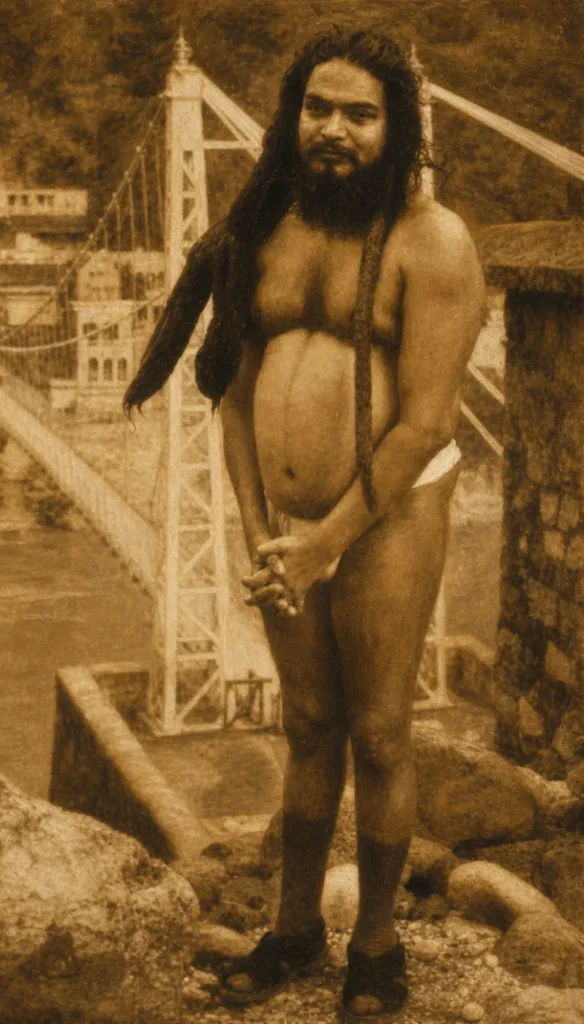
As Seenu reflected upon the teachings of the great Yogis, he came to a clear understanding—though profound, this knowledge remained only intellectual. It had not yet become a living experience within him.
A deep longing arose to realise the Truth directly.
Driven by this inner quest, he began to spend long hours in solitude during his teenage years, often retreating to the caves of the sacred Chamundi Hills near his home. There, in silence and contemplation, he turned his mind inward, seeking something beyond words and concepts.
Gradually, a deeper understanding dawned within him—that to experience the Divine as a living reality, the guidance of a Self-Realised Guru was essential.
With sincerity and patience, he continued his spiritual practices, inwardly praying for such guidance.
From the depths of his heart, he would pray:
At the age of sixteen, one evening as Seenu sat in deep contemplation in the Hanuman temple near his home, he suddenly heard a voice whisper within:
Opening His eyes to see who had spoken, He was amazed to find no one nearby. For the next few days He went on enquiring about ‘Shivabalayogi’ from all the people He met in the temple, but could find no clues as to what the experience had meant.
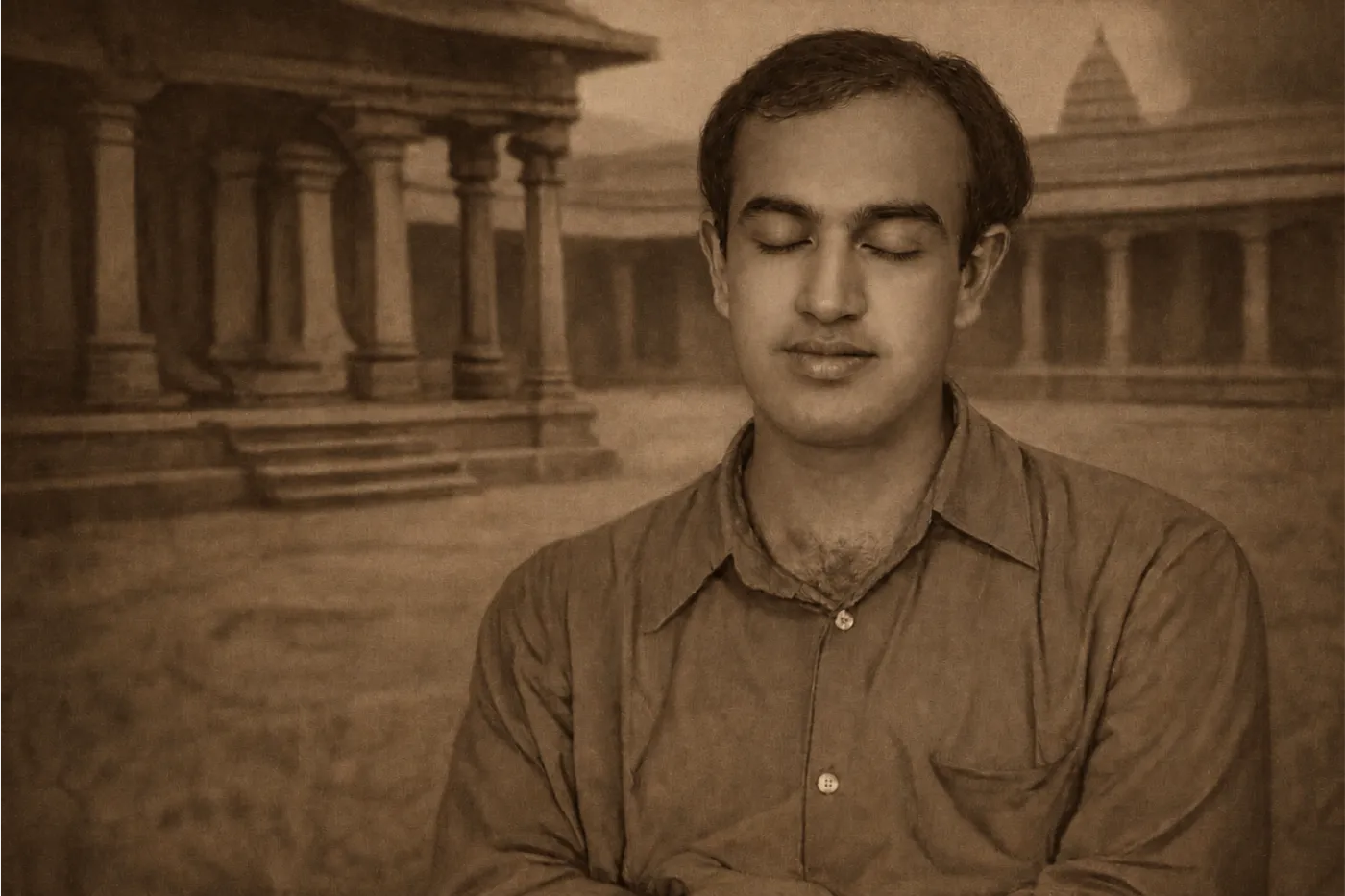
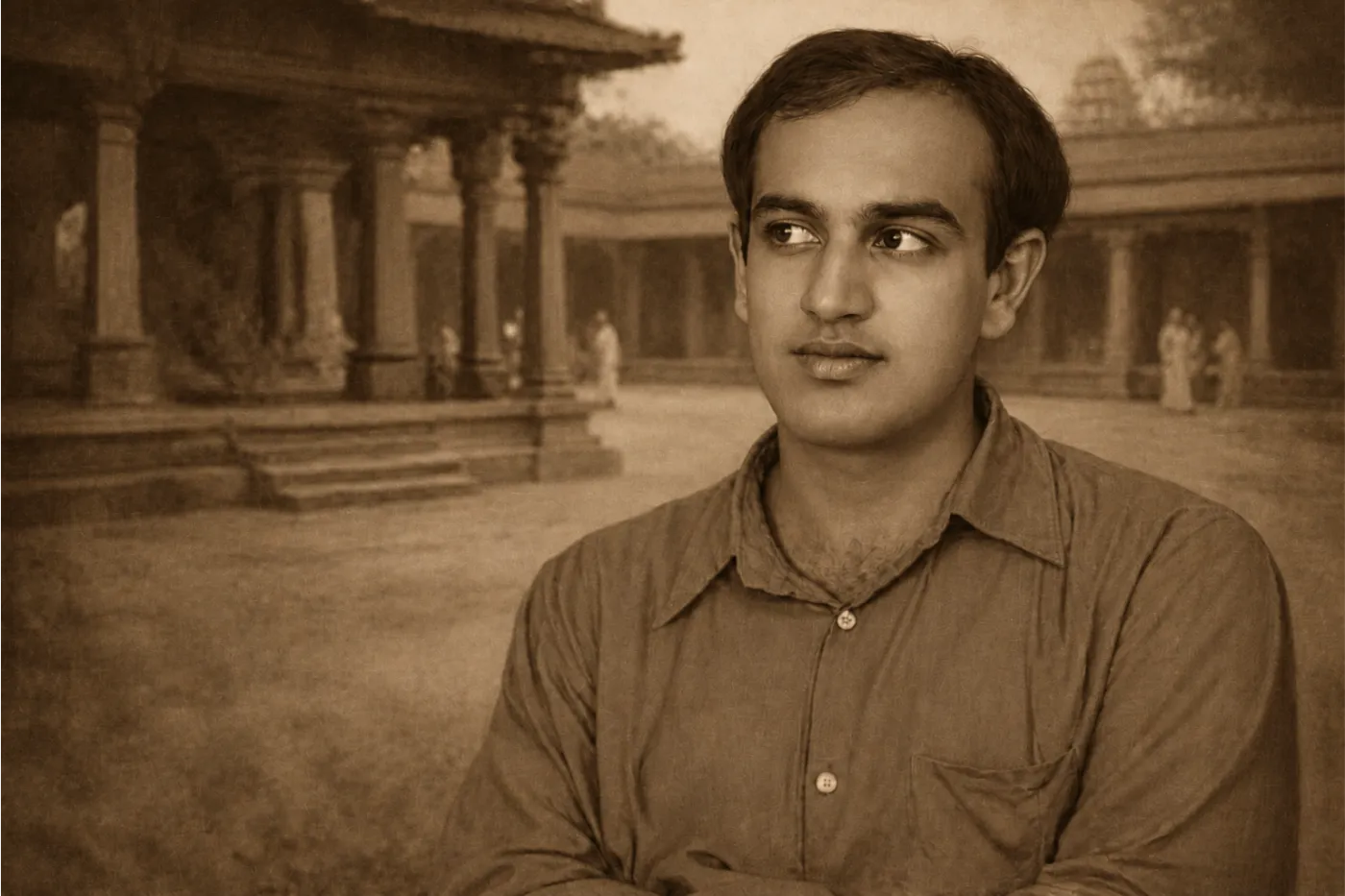
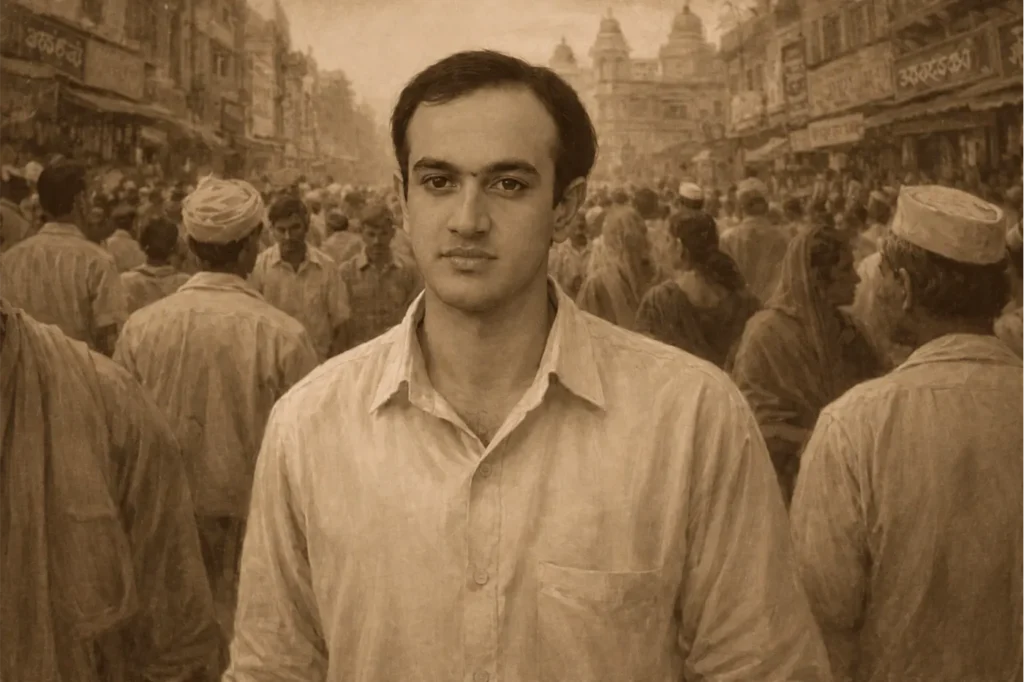
Then, a few days later, while walking through the busy streets of Mysore, the voice came again—clear and unmistakable:
Looking around, He was again unable to see anyone that could have spoken to Him.
Trusting this inner guidance, he went to the temple as instructed. There, by what seemed no mere coincidence, he met a devotee of Shri Shivabalayogi Maharaj, who introduced himself and handed him a book about Swamiji’s life.
The same person then revealed that, in just two days’ time, Swamiji himself would be arriving in Mysore during one of his tours, and that he could accompany him to receive his Darshan.
On the night before meeting his Guru, Seenu had a profound dream.
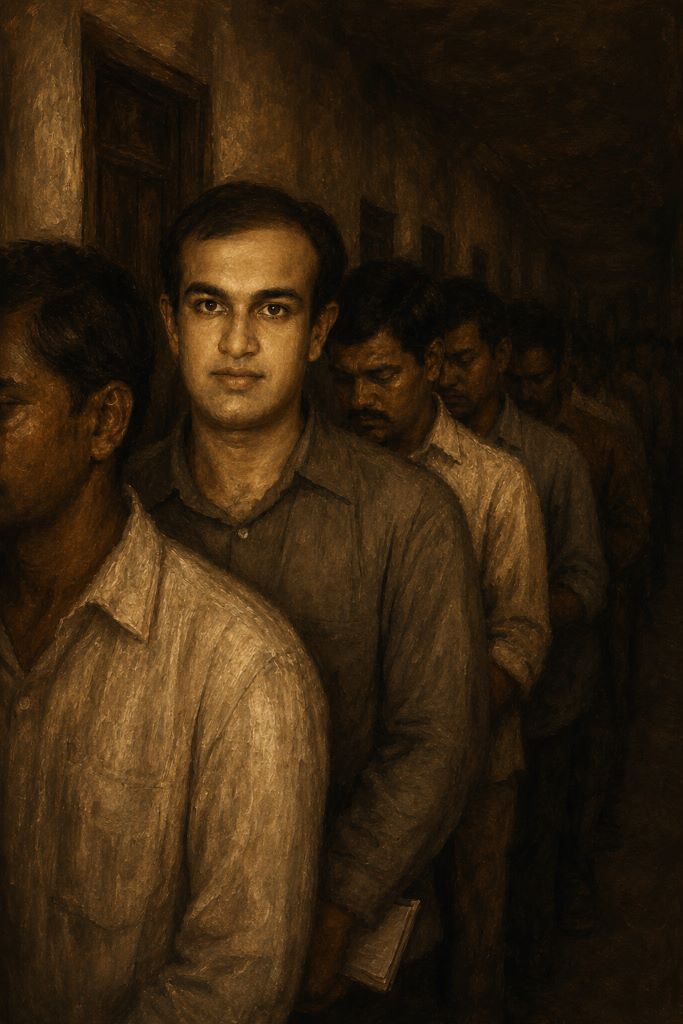
In the dream, everything around him was dark, and he found himself standing in a queue, waiting for Swamiji’s Darshan. After some time, a person approached him and said that Swamiji was waiting for him, then led him inside a room.
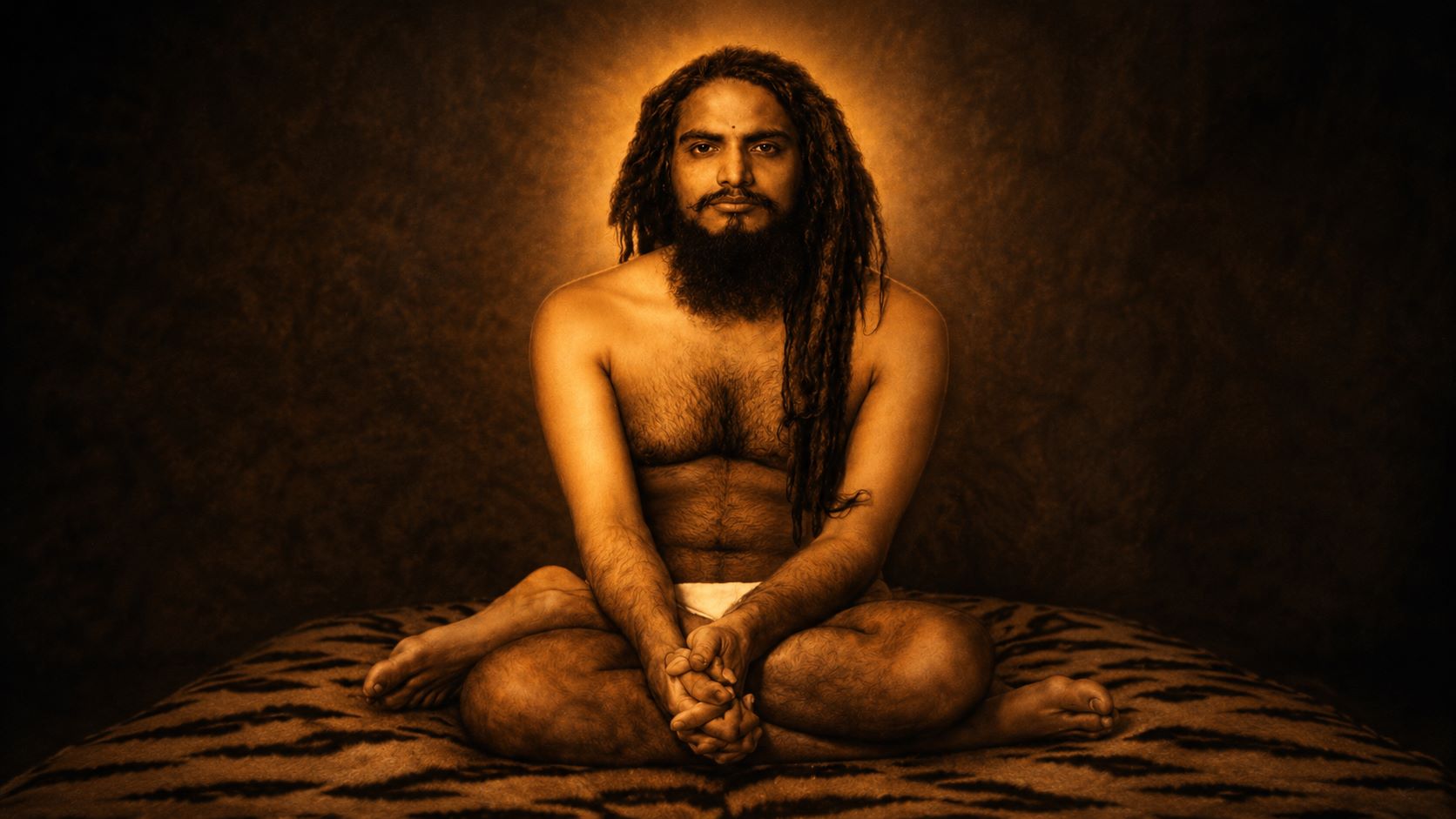
There, Swamiji was seated—radiant, wearing a loin cloth upon a tiger skin.
Looking directly at him, Swamiji asked:
Without hesitation, and perhaps guided by the teachings of Adi Shankaracharya, Seenu replied:
Later, Babaji would explain these as:
Jnana—the knowledge of Truth,
Bhakti—total devotion to that Truth,
and Vairagya—detachment from the unreal and impermanent world.
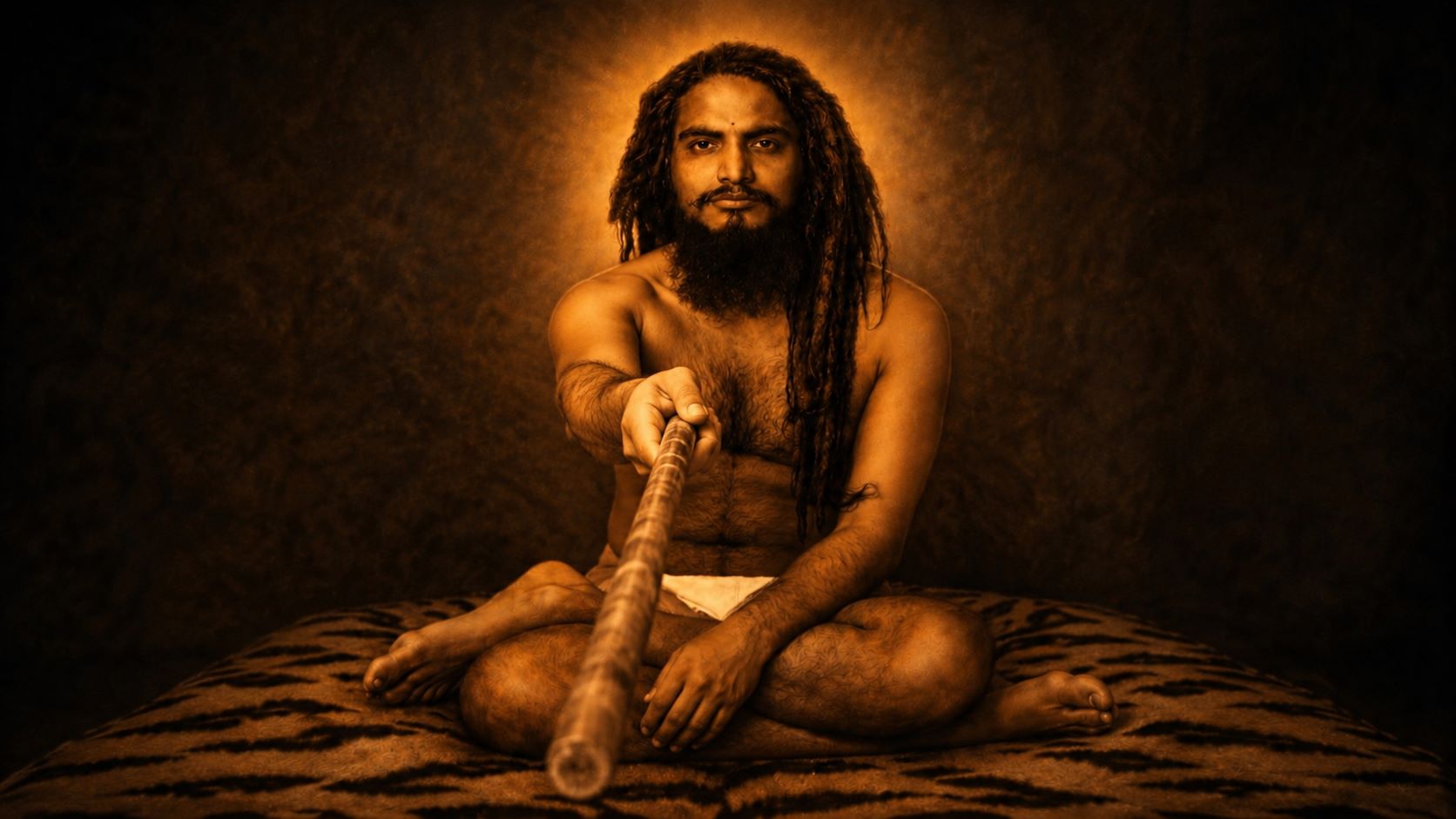

Swamiji then handed him a wooden stick and said that it could grant him anything he desired.
But Seenu immediately replied:
Swamiji smiled and said:
With that, he broke the stick into two pieces and cast it aside.
Then, taking sacred vibhuti, Swamiji initiated him by placing it into his mouth while uttering the mantra:
Swamiji then told him,
At that very moment, Seenu awoke—already repeating the mantra within his mind.
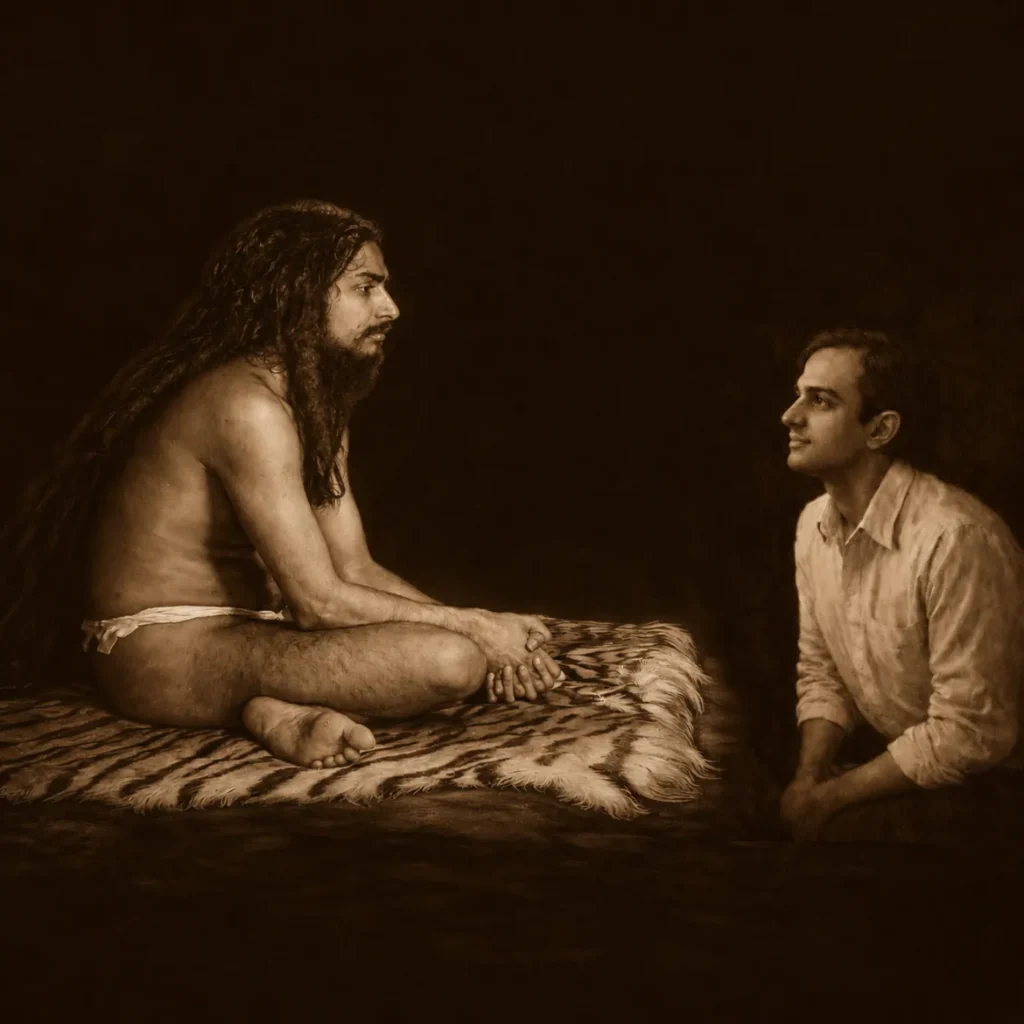
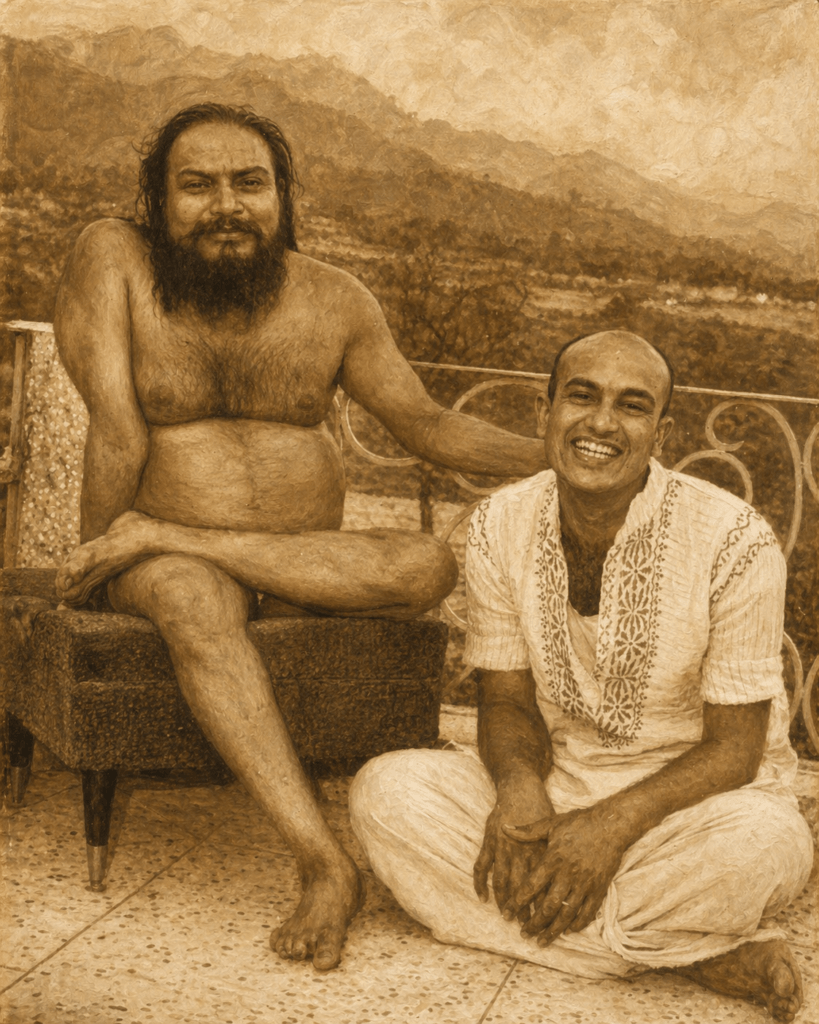
The following day, as Seenu took Darshan of Swamiji for the first time, his heart was instantly filled with deep love and devotion. From that very moment, he felt an unshakable connection—recognising in his Guru the fulfilment of his long inner search.
Moved by this profound experience, he wished to leave everything behind and join Swamiji’s Ashram immediately. However, his mother gently advised him to wait for three years, so that he could be certain of the depth and sincerity of his calling.
During this time, he was initiated by his Guru into the practice of dhyana (meditation), which became the very centre of his sadhana. With patience and dedication, he continued his studies at Mysore College, while inwardly nurturing his spiritual practice.
Finally, at the age of nineteen, Srinivasa was accepted into Swamiji’s service. He was sent to manage Swamiji’s Ashram in Dehradun, at the foothills of the Himalayas—marking the true beginning of his life of discipleship.
Upon joining Swamiji’s Ashram, Seenu deepened his practice of dhyana and devoted himself wholeheartedly to the selfless service of his Guru’s mission. For him, Swamiji was everything—Guru, God, mother, and father—his very All.
Alongside managing the daily activities of the Ashram and serving its residents and visitors, he also took on the care of two mentally challenged boys whom Swamiji had entrusted to him. Every task, no matter how simple or demanding, was performed with sincerity and devotion, as an offering to the Guru.
Swamiji would often emphasise the spirit of service and the importance of loosing the ego, once saying:
Swamiji would often emphasise that the greatest obstacle for a human being is the ego, and that true progress on the spiritual path begins only when one learns to let it go.
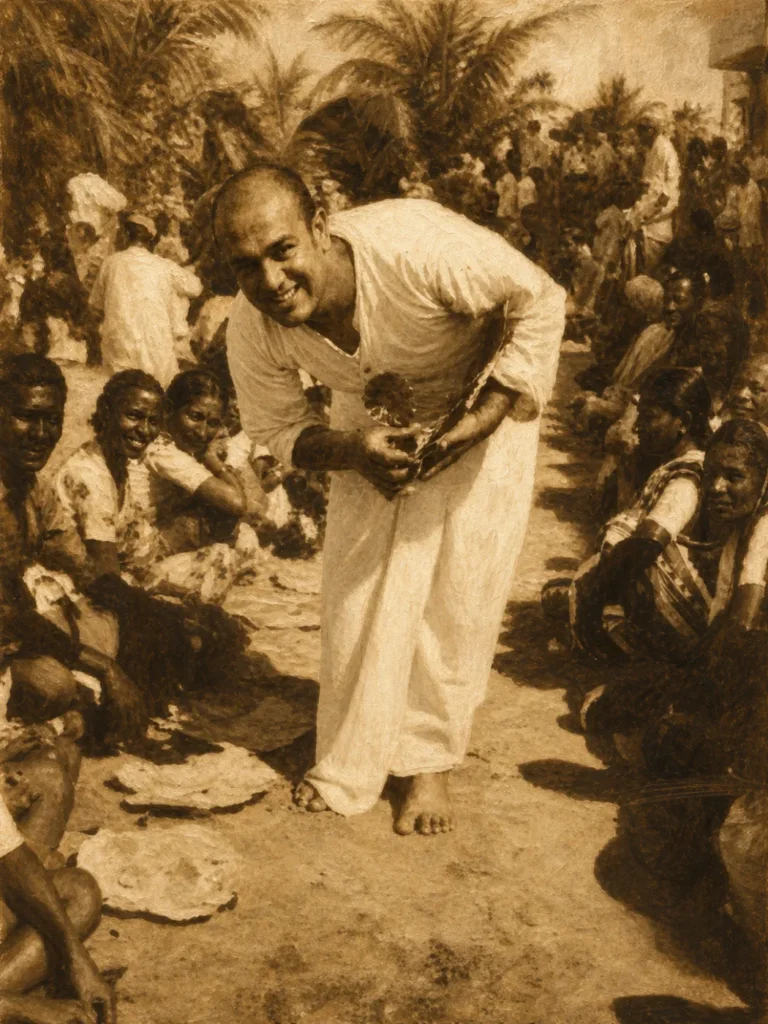
In his training, Swamiji was both tender and firm—loving like a mother, yet disciplined like a father. He moulded his disciple with great care, shaping not only his actions but his inner attitude.
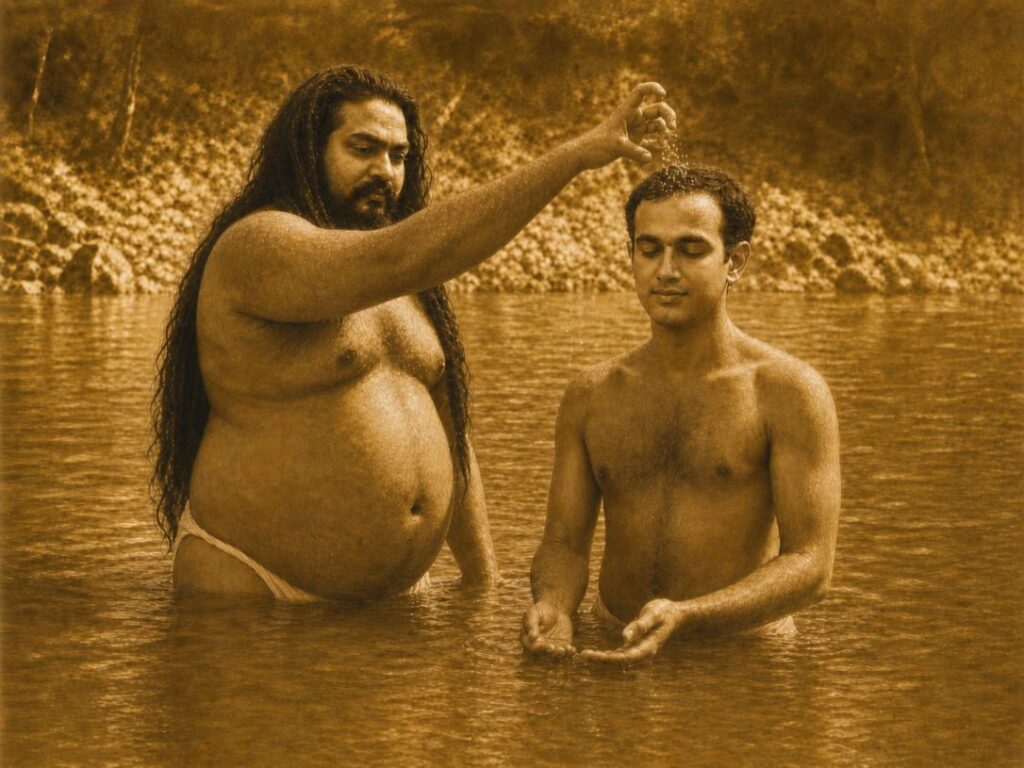
When Seenu was twenty-four years old, during a visit to the holy river Ganga, Swamiji noticed the sacred thread he was wearing as a symbol of his Brahmin birth. Becoming stern, he instructed him to remove it and offer it to the river, teaching him to give up all sense of superiority or identity based on caste.
Then, sprinkling holy water from the Ganga, Swamiji initiated him into the sacred order of sannyas (monkhood), saying:
Thus, through both guidance and discipline, the Guru prepared his disciple for the path ahead.
Seenu’s devotion to his Guru was complete and unwavering. On one occasion, while speaking to a group of devotees about faith and service, Swamiji looked at him and said:
Such was the depth of his surrender.
Alongside his meditation practice, he immersed himself fully in the life of the Ashram—managing its daily affairs, caring for visitors, and looking after the two mentally challenged boys entrusted to him by Swamiji. Even tasks that seemed unrelated to monastic life, such as caring for the children of devotees, he accepted wholeheartedly, seeing everything as service to the Guru.
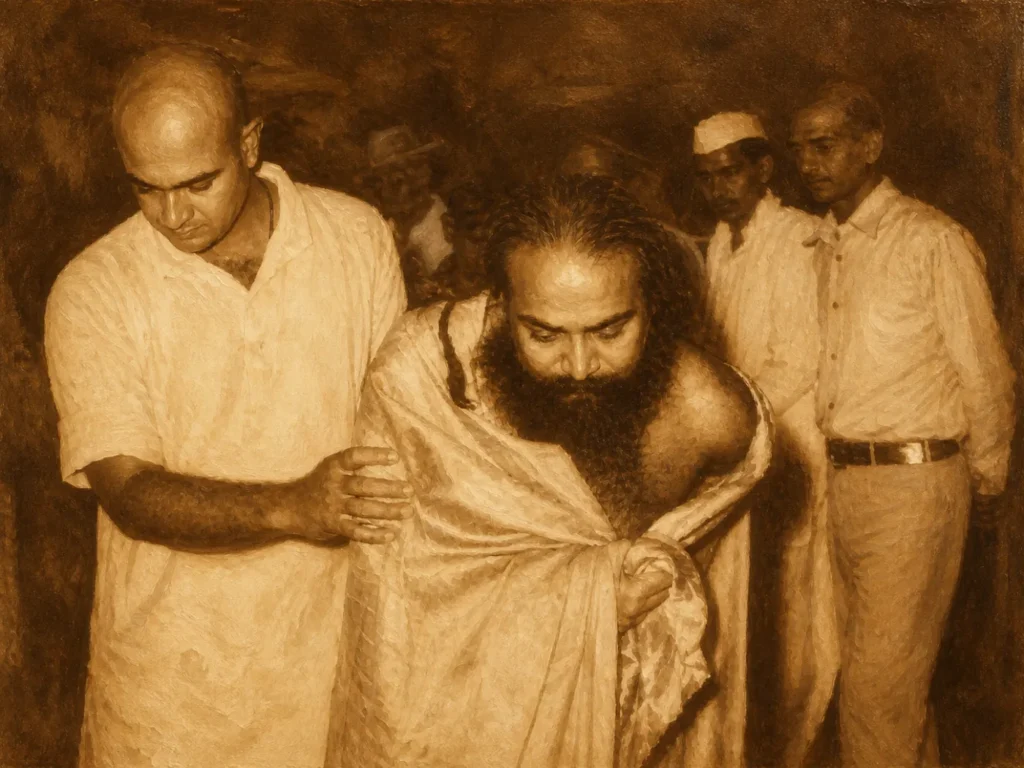
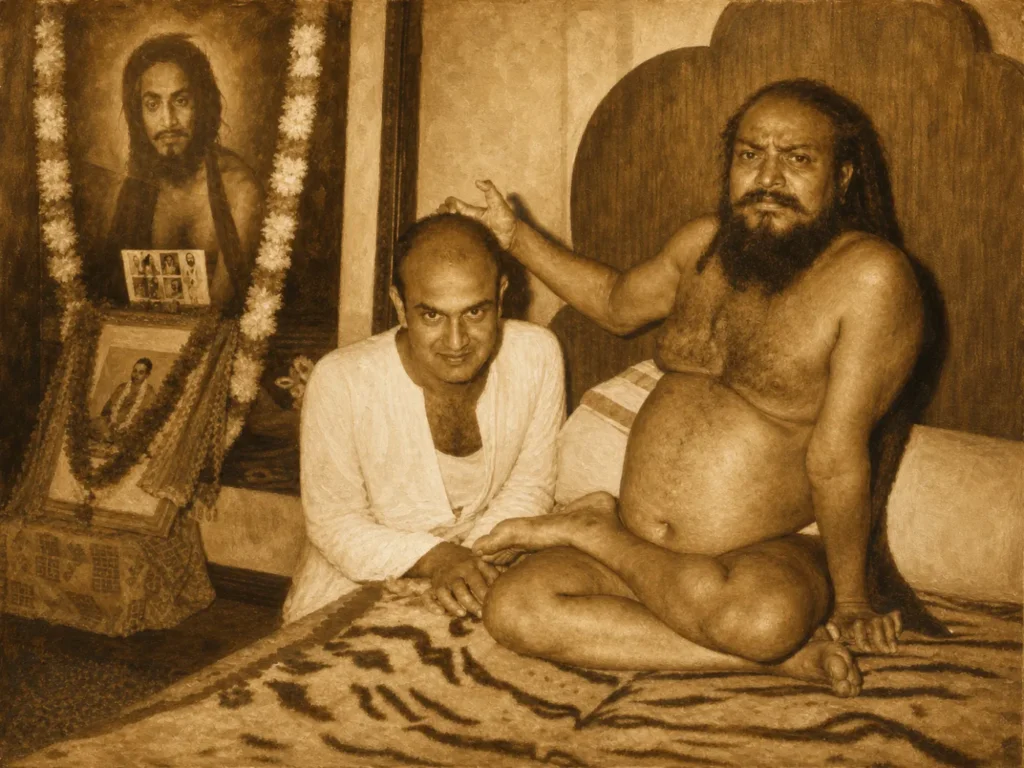
Reflecting on those days, he recalled an incident:
One day, while bathing Swamiji, he was suddenly asked:
Through such guidance, Swamiji transformed even the simplest actions into a path of spiritual growth.
On another occasion, during a public Darshan, a man approached Swamiji complaining of a lack of peace of mind. Swamiji asked him, “Do you do sadhana?” As he was speaking in Telugu, Seenu translated into Hindi, asking the man, “Do you practice meditation?”
Swamiji immediately corrected him:
Thus, Swamiji would constantly emphasise:
In this one word, he conveyed the essence of the entire teaching of the Bhagavad Gita.
For twenty years, Seenu lived in this spirit—dedicated to selfless service, deep meditation, and complete surrender to his Guru’s mission—quietly preparing for the path that lay ahead.
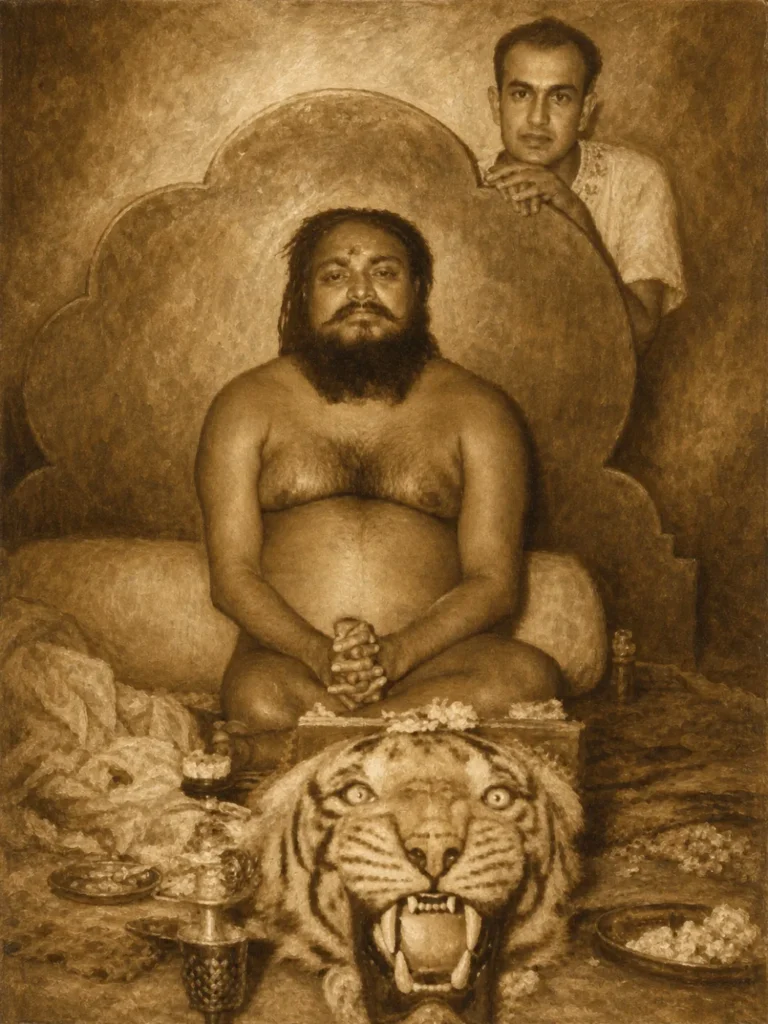
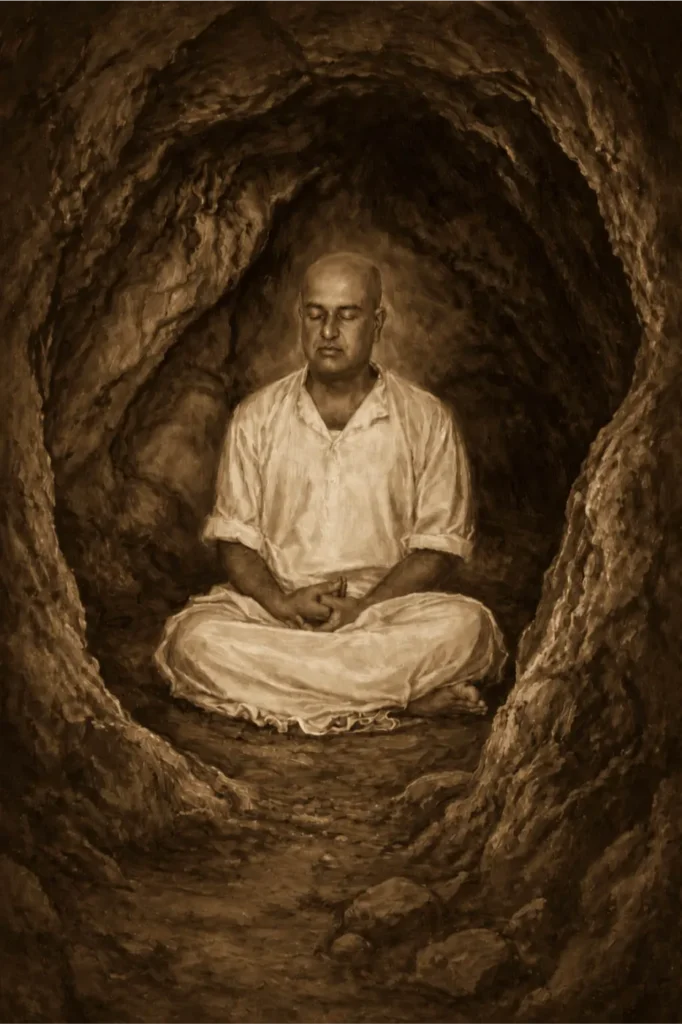
In 1994, Swamiji took Mahasamadhi, leaving his physical body. Seenu attended the entombment ceremony, his heart filled with deep grief at the apparent loss of his beloved Guru.
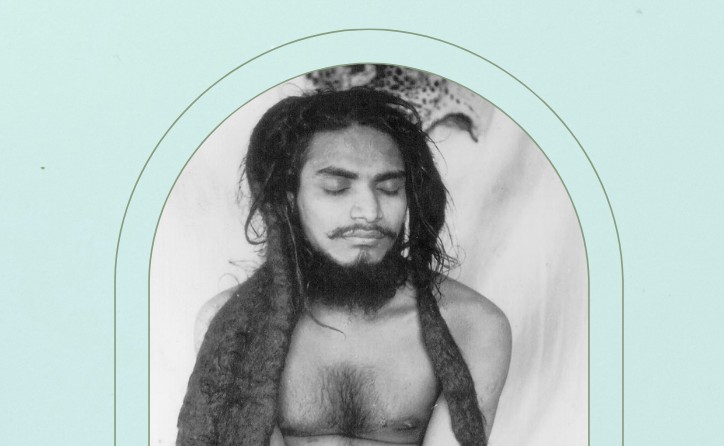
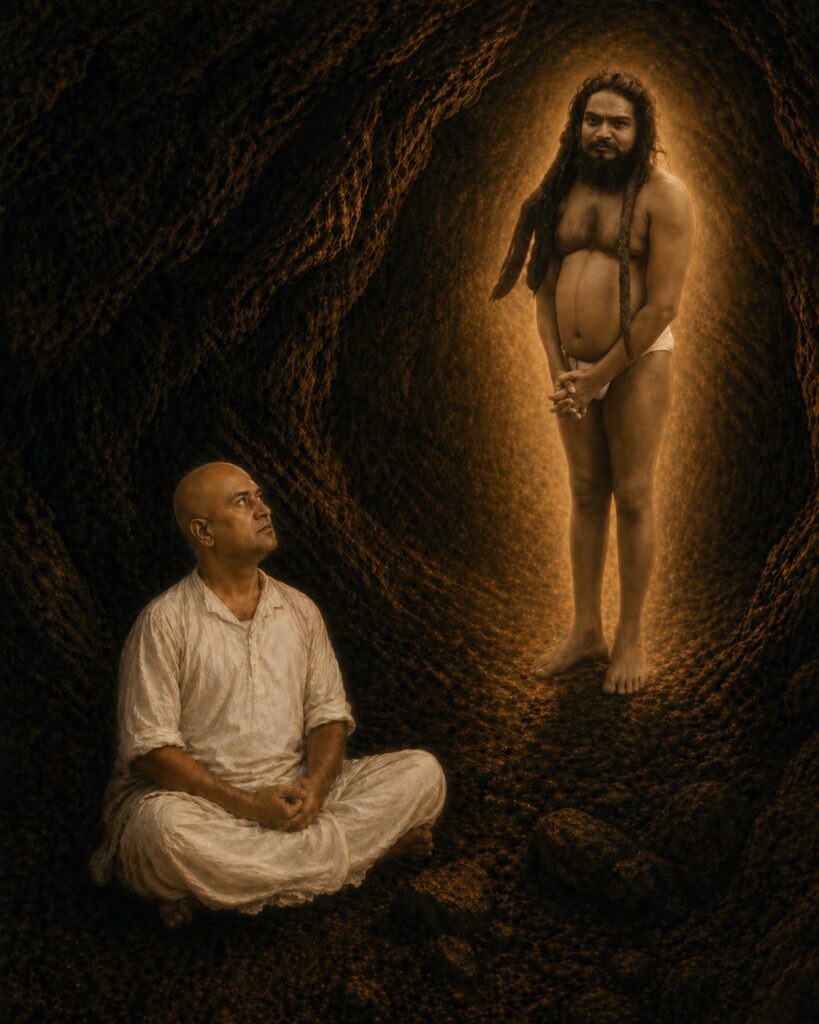
Returning to his childhood home in Mysore, he felt drawn once more to the Chamundi Hills, where he had spent many hours in contemplation during his youth. There, sitting in dhyana, he entered into a deep meditative state that lasted for several days.
At length, he became aware of a presence and was gently brought out of meditation by a sound nearby. Opening his eyes, he beheld a radiant and dazzling vision—his Guru, standing before him, surrounded by a luminous glow.
Swamiji spoke:
Hearing this, Seenu humbly replied that he did not feel capable of undertaking such a severe austerity. He expressed that he had no desire to perform Tapas, and instead wished to continue singing bhajans and sharing the greatness of his Guru.
When the vision faded, Seenu remained uncertain. He wondered whether what he had experienced was truly a divine manifestation or simply an expression of his own grief at the physical departure of his Guru.
With this uncertainty, he returned to the Dehradun Ashram and resumed his service. Yet inwardly, he held the experience close—trusting that, if it were true, its meaning would reveal itself in time.
As Seenu continued his service at the Ashram, the call of destiny soon returned with unmistakable force.
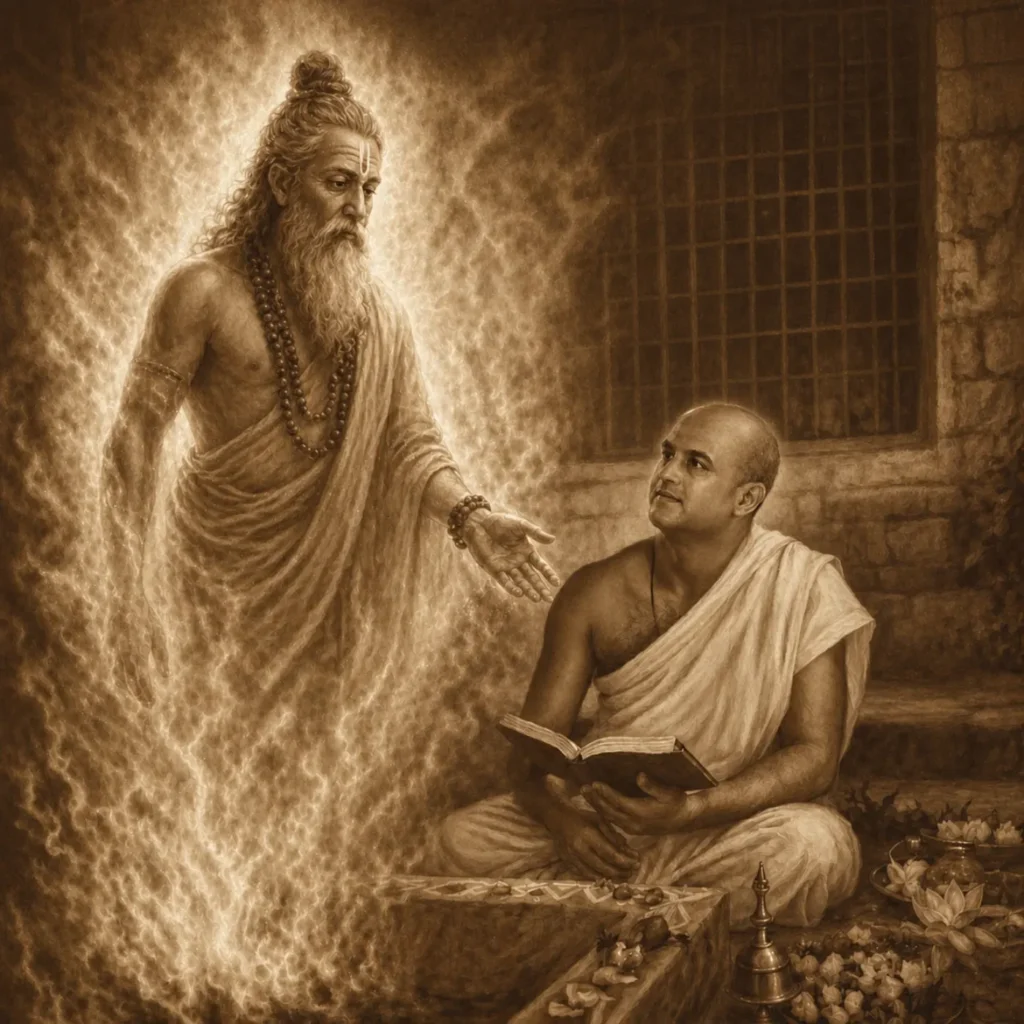
Later that same year, in November 1994, while performing a homa (sacred fire ritual), he experienced a second, extraordinary vision. From the flames of the fire, an ethereal form emerged and spoke:
Exactly five days later, during the evening aarathi at the Ashram, Seenu once again beheld the living presence of his Guru. Before his eyes, Swamiji manifested from the very image placed upon the Guru’s seat.
Taking him by the hand, Swamiji led him to a small room beside the meditation hall and asked him to sit. Touching him between the eyebrows, he gave his final instruction:
With complete surrender to his Guru’s command, Seenu entered the room and began his Tapas—remaining there in deep meditation for the next five years.
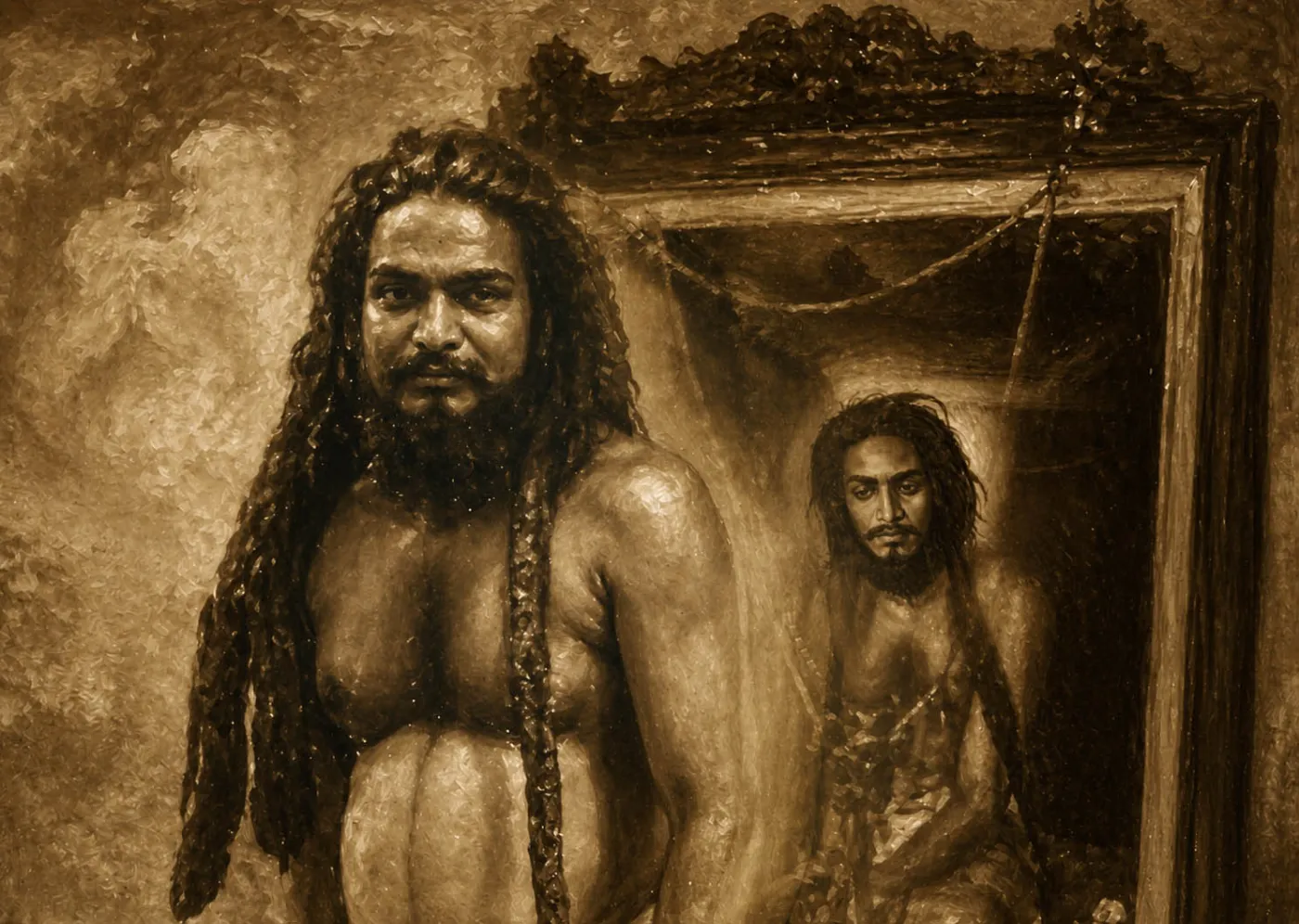
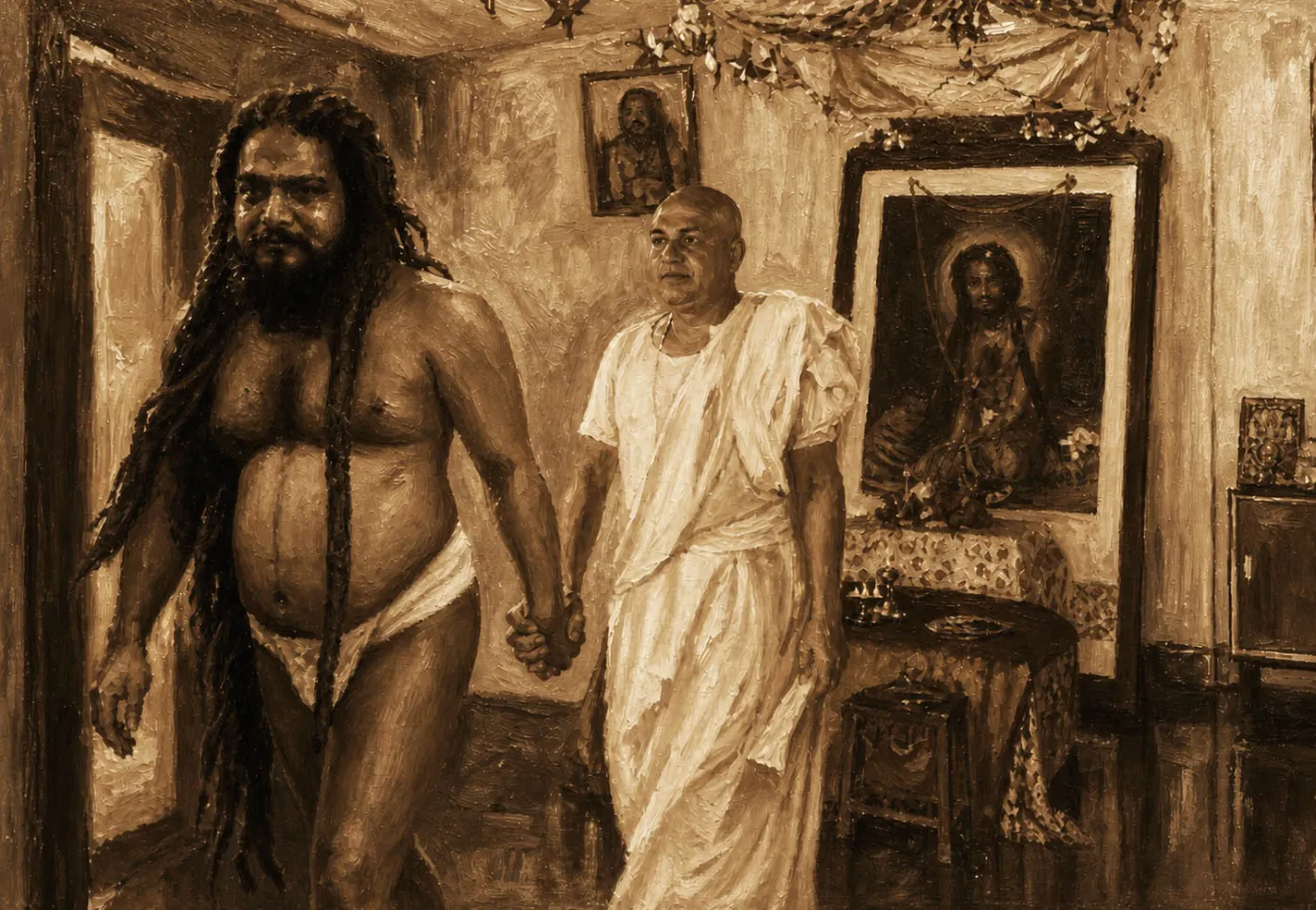
Following the command of his Guru, Babaji undertook the same profound austerity—Dik Tapas—that Swamiji himself had practised. In this sacred discipline, the seeker aligns with each of the cardinal directions, remaining in deep meditation until the subtle siddhi of that direction is attained, before moving on to the next.
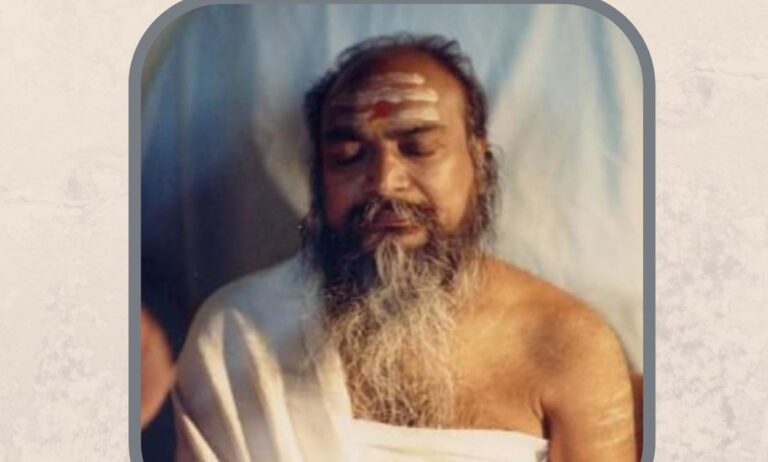
For five continuous years, Babaji remained absorbed in deep samadhi for an average of eighteen to twenty hours a day. His Tapas unfolded with precise discipline—facing the North for two years, the East for one and a half years, the South for one year, and the West for eight months. Finally, he returned to the North for the last three months, where his Tapas culminated in Nirvikalpa Samadhi.
This austere path was marked by intense challenges.
The physical body, held in prolonged stillness, endured great pain and strain. At the same time, as the mind was purified of its accumulated impressions, its power of concentration increased—bringing with it a surge of vivid inner experiences. Visions arose—some deeply alluring, others terrifying—yet all appearing as real as the physical world itself.
In such moments, the true test of a tapasvin lay in unwavering determination and complete detachment.
Babaji often recounts one such experience to illustrate the power of illusion. During an out-of-body journey, Swamiji took him across countless worlds and universes. In one of these realms, he beheld great Siddhas absorbed in Tapas.
Seeing this, Swamiji cautioned him:
At that moment, Babaji dropped all attractions. Instantly, he found himself back in the room where his Tapas was taking place.
Through such experiences, he understood deeply that all visions arise from prarabdha—the stored impressions of the mind—and must be transcended to reach the ultimate goal.
With this clarity, he continued his Tapas with unshakable resolve, remaining untouched by all distractions.
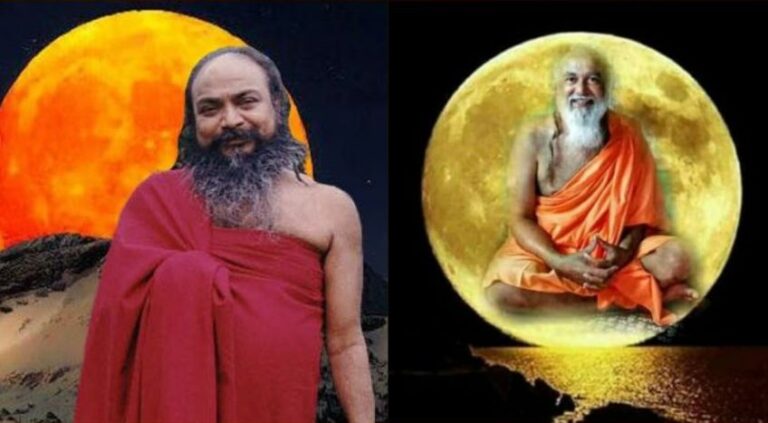
Throughout these years, the living presence of his Guru never left him. On every full moon, Swamiji would manifest to guide, inspire, and strengthen him along the path.
During one such sacred occasion, in the fourth year of his Tapas, his Guru bestowed upon him a new name—Shivarudra Balayogi.
Shiva signifying the state of complete stillness of the mind,
Rudra the intense transformative force,
Bala a name of the Divine Mother,
and Yogi—one who has attained union with the Supreme, the infinite peace of Pure Consciousness.
After nearly five years in seclusion within the Ashram room, absorbed in prolonged meditation for eighteen to twenty hours a day, Babaji’s mind had become completely purified—freed from its adquired habits of the mind and resting effortlessly in the immortal Self.
In that profound stillness, where all mental activity had subsided, he stood at the threshold of the ultimate Truth. With unwavering awareness and complete surrender, the final traces of individuality dissolved, and what remained was the boundless, ever-present Reality. It was not something newly attained, but the eternal Self revealed in its full radiance—beyond mind, beyond birth and death, beyond time, beyond all duality.
Established in that supreme stillness, he now faced the final test.
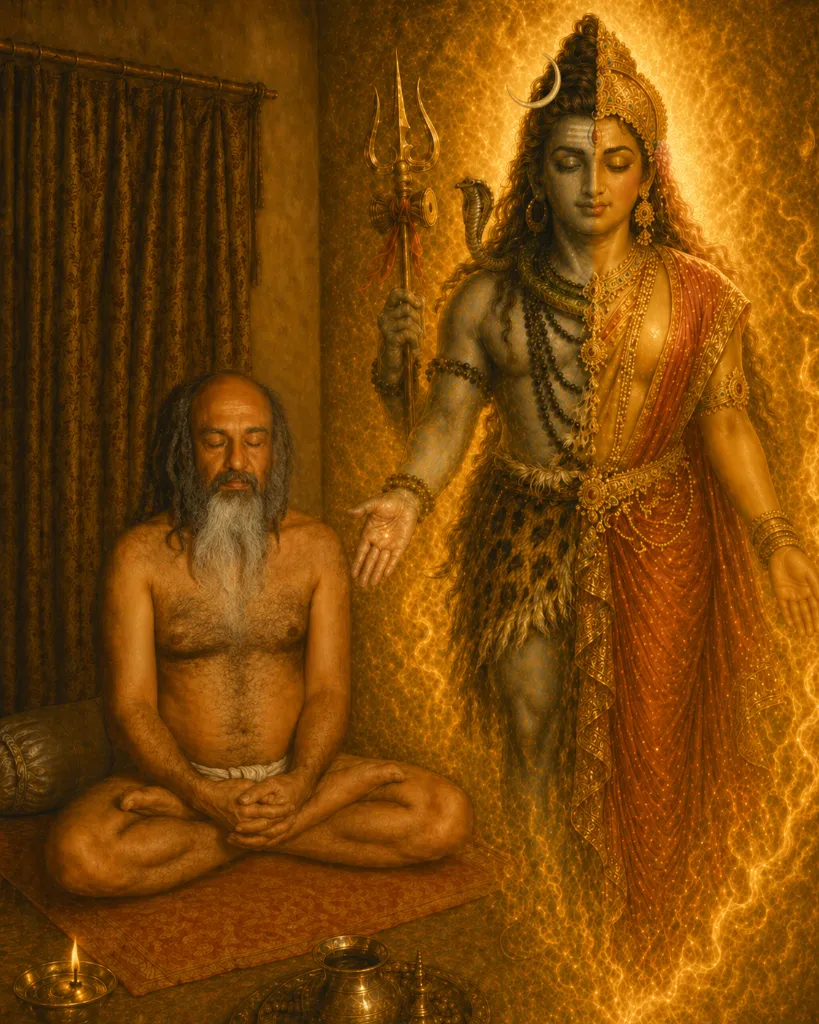
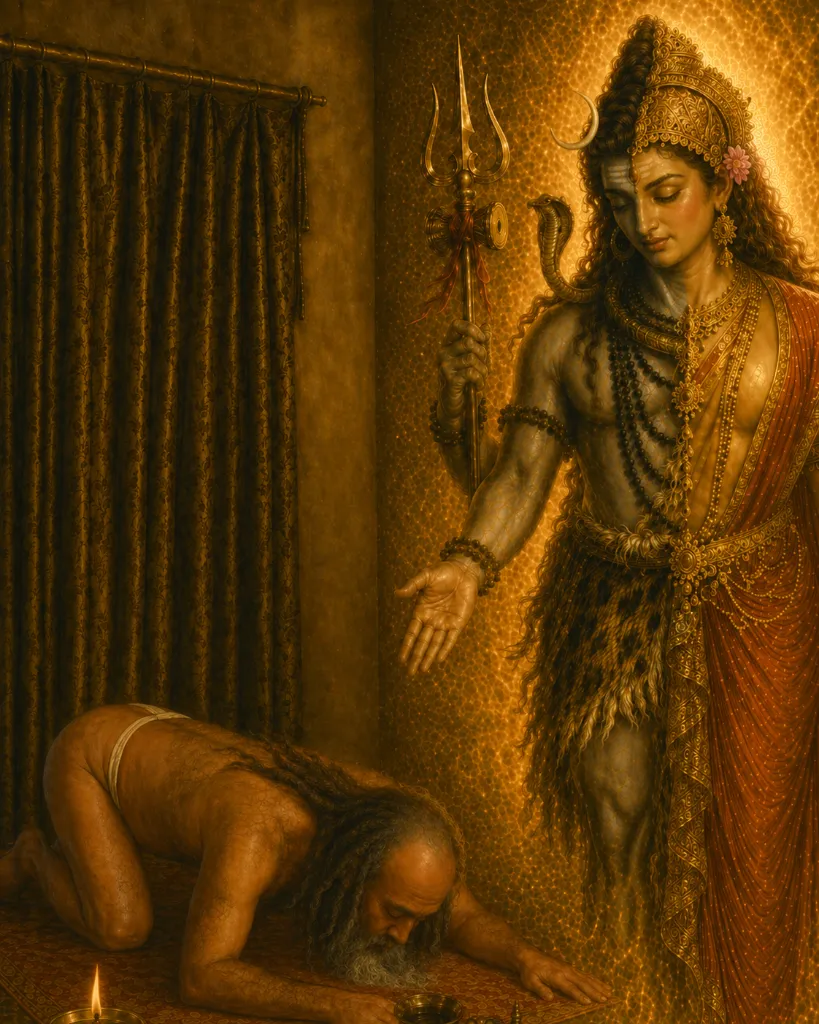
On the auspicious day of Kartik Shuklapaksha, 16th November 1999, he was gently brought out of samadhi by a wondrous vision. Before him appeared the divine form of Ardhanarishwara—Lord Shiva and Mother Parvati as one unified presence.
Overwhelmed with devotion, he prostrated. The Divine form blessed him, saying:
This was the ultimate test—whether even the subtlest trace of ego or desire remained, or whether total surrender had truly been attained.
From the depths of his being, a spontaneous response arose:
Hearing this, the Divine form smiled and, blessing him with the assurance of the Guru’s Grace, disappeared.
In that very moment, Babaji beheld his beloved Guru, Shri Shivabalayogi Maharaj, manifesting in the same place. With compassion and authority, Swamiji blessed his disciple and instructed:
Thus, with the mind completely dissolved into the Supreme Peace of the Infinite Self, and resting there effortlessly and eternally, his Tapas reached its fulfilment—the ultimate goal of human existence.
And the eternal truth stood revealed:
On 23rd November 1999, after completing five years of intense Tapas, Shri Shivarudra Balayogi Maharaj emerged to carry forward the mission of his beloved Guru, Shri Shivabalayogi Maharaj.
From that moment onwards, Shri Babaji began travelling across the world, freely sharing His Guru’s message and guiding seekers on the path of inner transformation.
With clarity and simplicity, Babaji guides seekers by offering profound insights into the nature of the mind, consciousness, meditation, and the timeless wisdom of the ancient Indian tradition of Yoga.
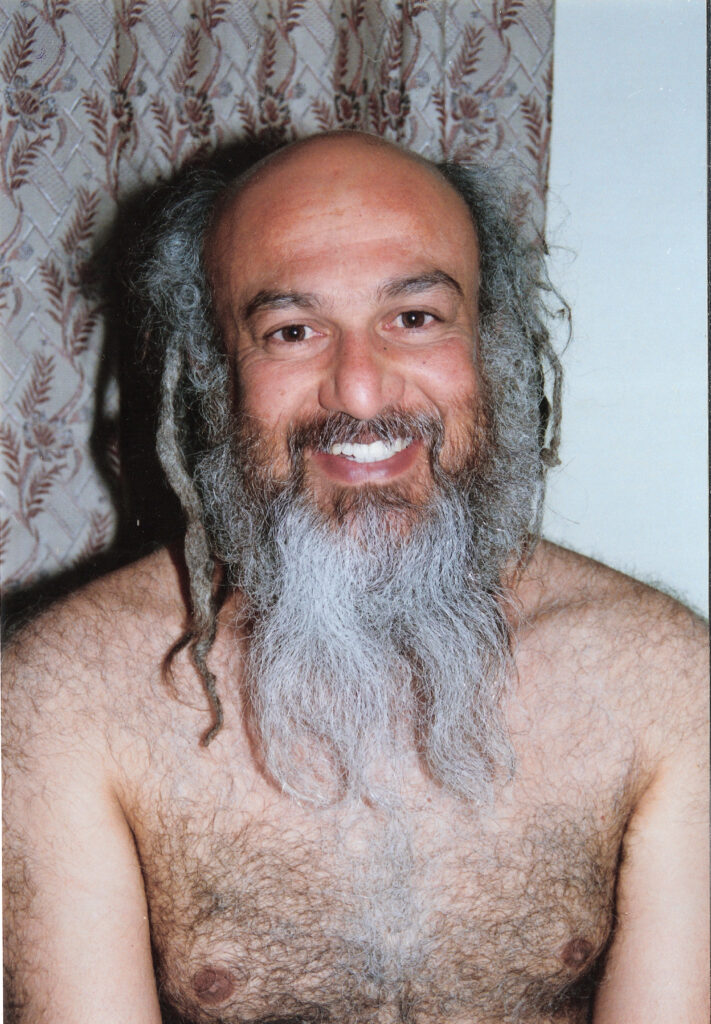
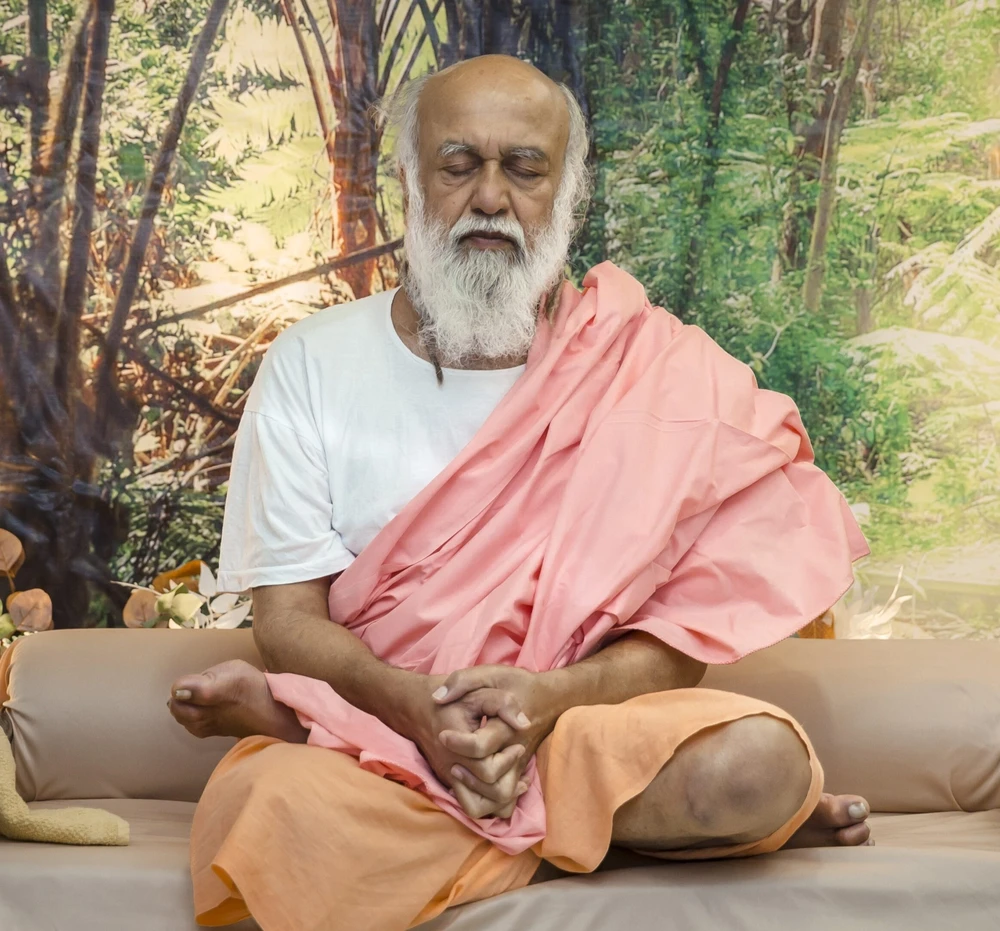
In the same spirit, he conveys the essence of all spiritual pursuit in a simple and direct manner:
Thus, the mission continues—guiding seekers inward, towards the eternal peace that lies within.
Amba Shivaranjani is a remarkable soul who has dedicated her entire life to the mission—serving with unwavering devotion and selflessness. From the time of Babaji’s Tapas and through the decades that followed, she has remained a constant presence, caring for him and supporting the mission with tireless commitment.
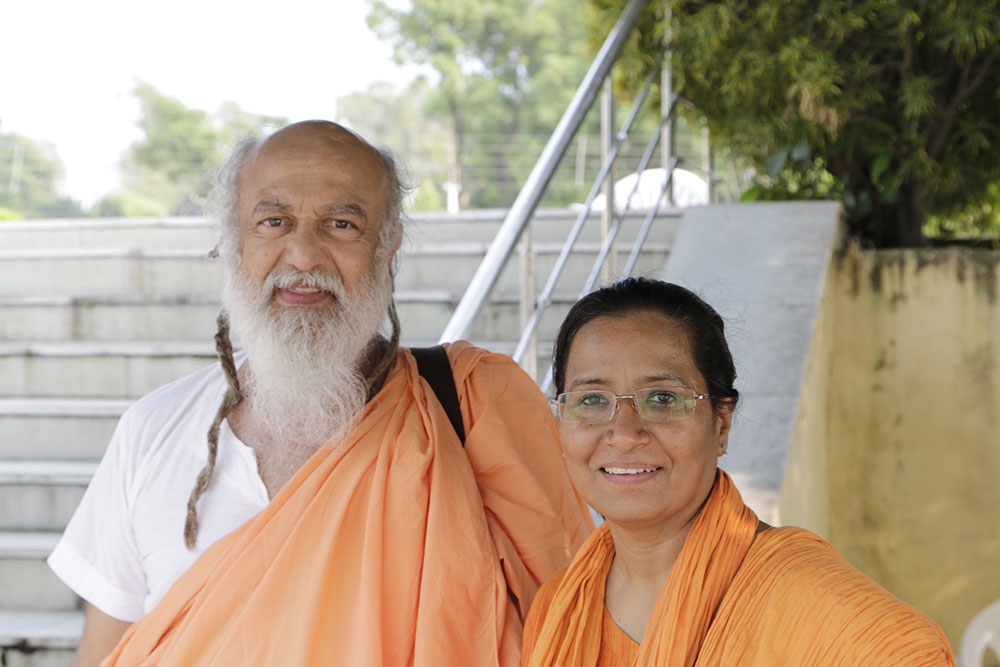
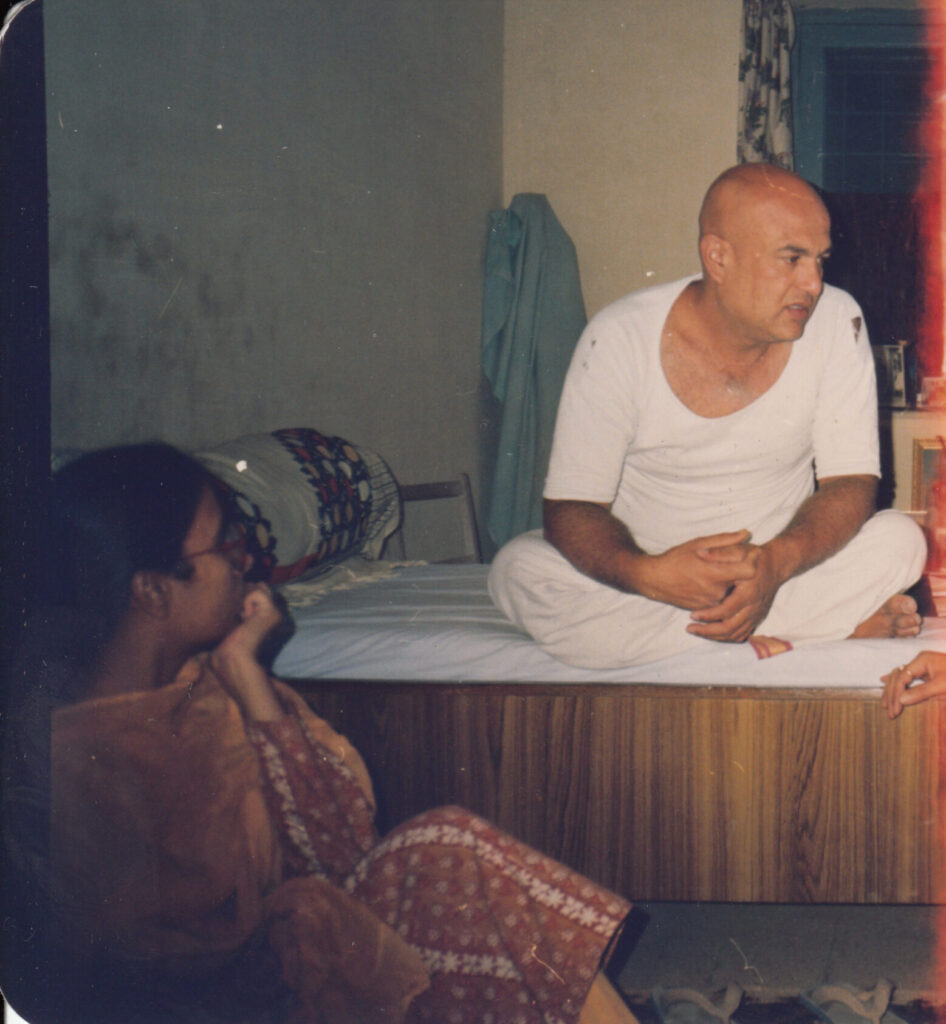
Years later, as she came to know more about him, she began visiting him regularly at the Dehradun Ashram. Deeply drawn by his presence, she would engage him with sincere questions about the Atman, meditation, the nature of the mind, and the teachings of great Yogis such as Ramana Maharshi.
She would also invite him to her family home in Delhi to conduct bhajans, cherishing every opportunity to be in his company.
Even before Babaji entered into Tapas, she recognised his spiritual stature. With deep reverence and intuitive understanding, she accepted him as her Guru—thus becoming his first disciple.
Such was the depth of her faith, devotion, and admiration for him from the very beginning.
When the time came for Seenu to undertake Tapas, Ambaji made a decisive and selfless choice—she left her home and came to live permanently at the Ashram, dedicating herself entirely to serving him during this intense period.
Throughout the five arduous years of his deep meditation, she became the main person responsible for caring for him, supported by a small number of others. With great attention and devotion, she attended to his daily needs—preparing simple nourishment, sometimes just a glass of milk or a light vegetable soup, tending to his health, washing his clothes, and ensuring his safety at all times.
Babaji has often emphasised the importance of such support during Tapas. When a seeker is absorbed in deep sadhana, the awareness of the physical body becomes minimal, and it becomes essential to have someone trustworthy to look after it. Without such care, the body could easily be neglected or even put at risk.
Thus, Ambaji’s role during this sacred period was not merely one of service, but of profound responsibility—carried out with unwavering dedication and love.
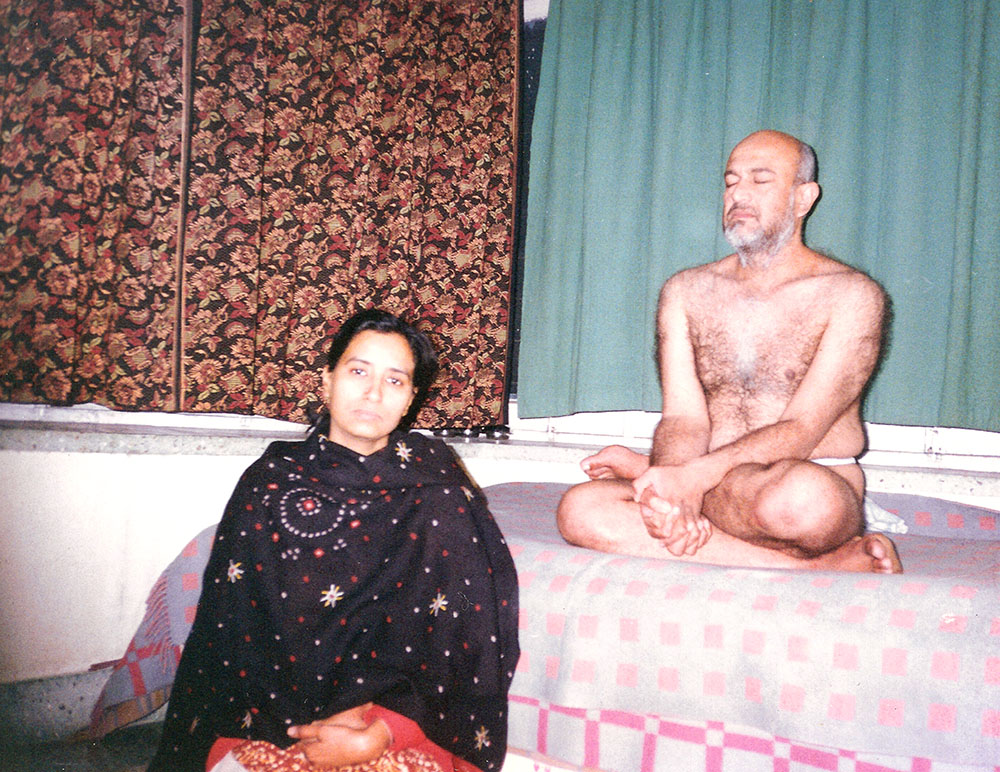
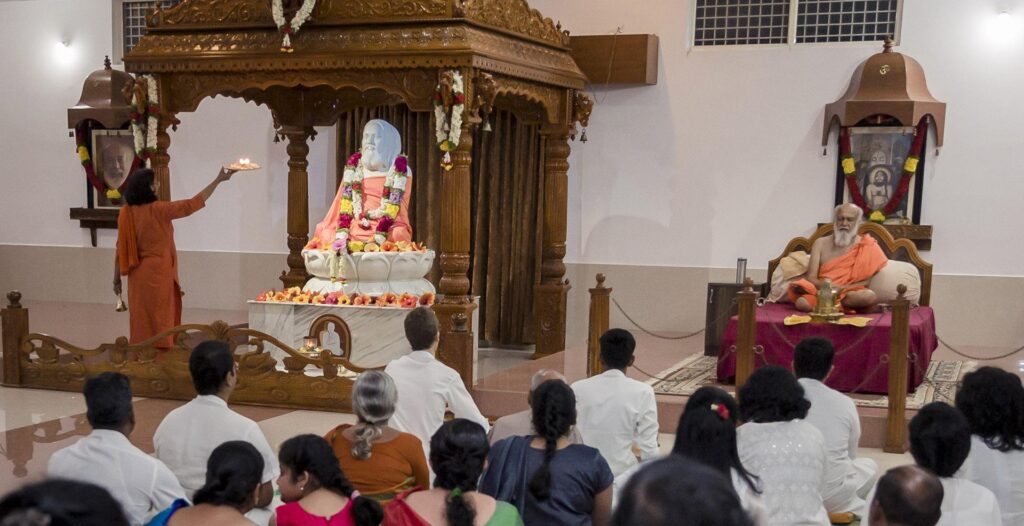
With unwavering selflessness, she has personally attended to his needs—caring for his well-being, supporting him in every aspect of daily life, and accompanying him on his travels across India and around the world, wherever devotees have invited him.
She has played a central role in organising and conducting programmes, both in India and overseas, and has tirelessly contributed to the smooth running and growth of the Dehradun Ashram.
In every possible way, through quiet dedication and constant service, she has helped sustain and carry forward the mission—embodying the very spirit of devotion and surrender.
Listen to Babaji’s Question and Answer sessions wherever you are.
Available to download and listen offline.




Sign up and subscribe to our mailing list to receive emails on Shri Babaji’s teachings, discourses, events and world tour details.
“As you go on meditating, that will take you to the Ultimate Truth, which is recognized as Divinity. See, the same Divinity, in science they
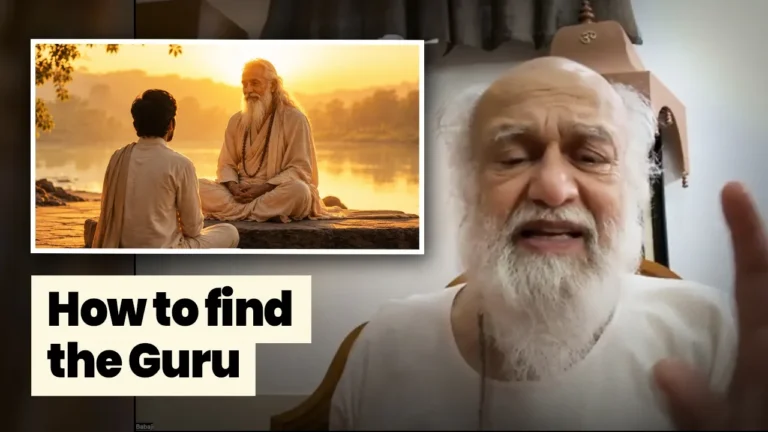
Shri Babaji explains that the student should be sincere, wanting the Ultimate Truth, Self Realization and not compromise for smaller things, then the grace of
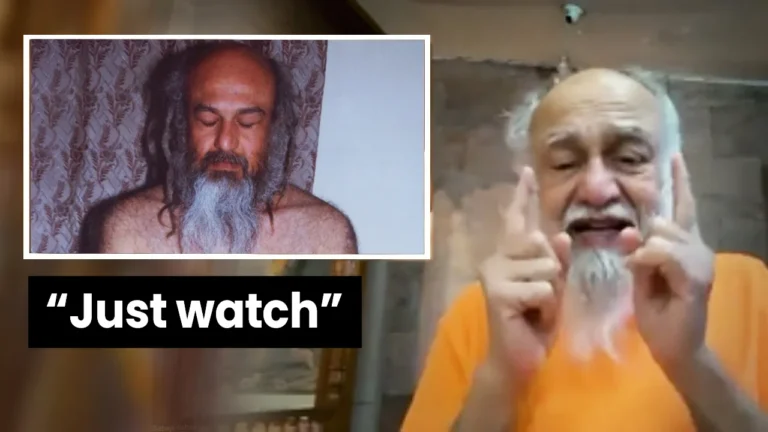
Shri Babaji explains the instruction to ‘just watch’ in the meditation technique Jangama Dhyana, practiced since ancient times in India. You see, I kept telling,
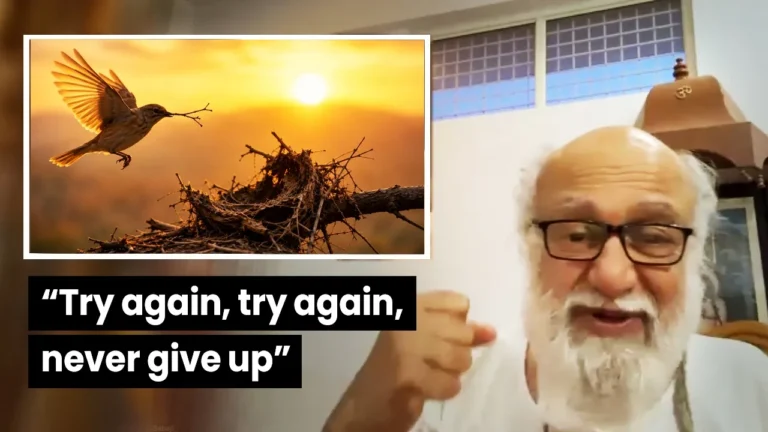
Shri Babaji explains what is the best approach when putting in efforts to achieve a goal; if you remain focused, keep positive, try again and
Babaji explains that if everything happened according to our wishes, why would you need the Divinity? When we are away from the Divine we suffer,
Babaji sings the bhajan Dhimika Dhimika Dhim, recorded in 2001 at a program given by Babaji at Finesse Language school in Dehradun.
Taken from the Q&A ‘The mind and the Self’ In Quest of Truth – Babaji Q&A, No. 259
Babaji talks of the knowledge of the great sages who enquired into the Self to find from where the ‘I’ feeling was coming. Within this

Leo, a Romanian devotee, talks about the time he visited the Dehradun Ashram 27 years ago in November 1998 and witnessed Babaji sitting in Samadhi

Shri Babaji explains the 3 stages that occur as the mind gets more concentrated in Tapas on the way to achieving Self Realisation. Find out

“This was a mesmerizing song that Adi Shankara had composed. It says Adi Shankara was camping in the pilgrimage town of Banaras Kashi in India.
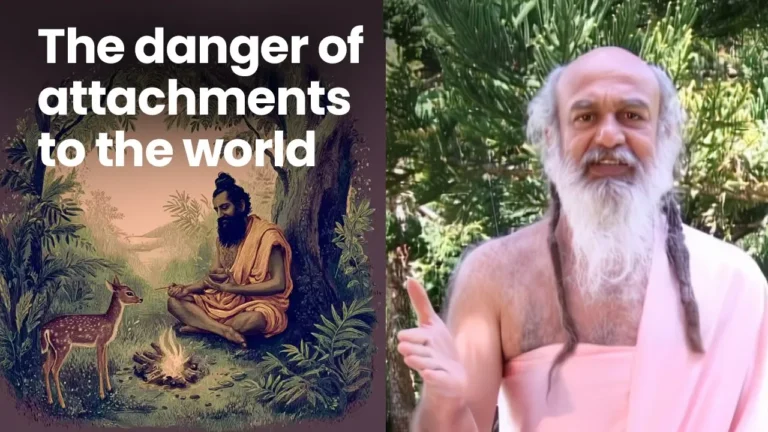
Shri Babaji tells the story of Jadabharata, which His Master Shri Shivabalayogi Maharaj used to narrate. The story warns that having attachments to the world