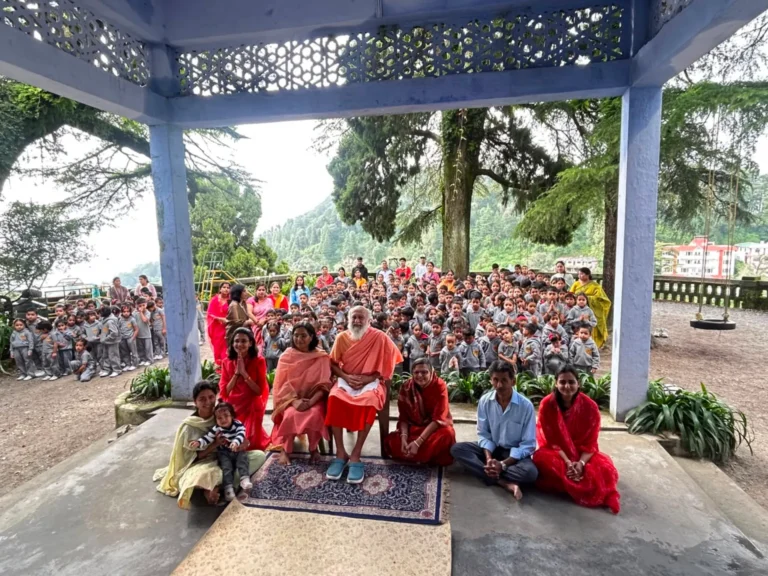
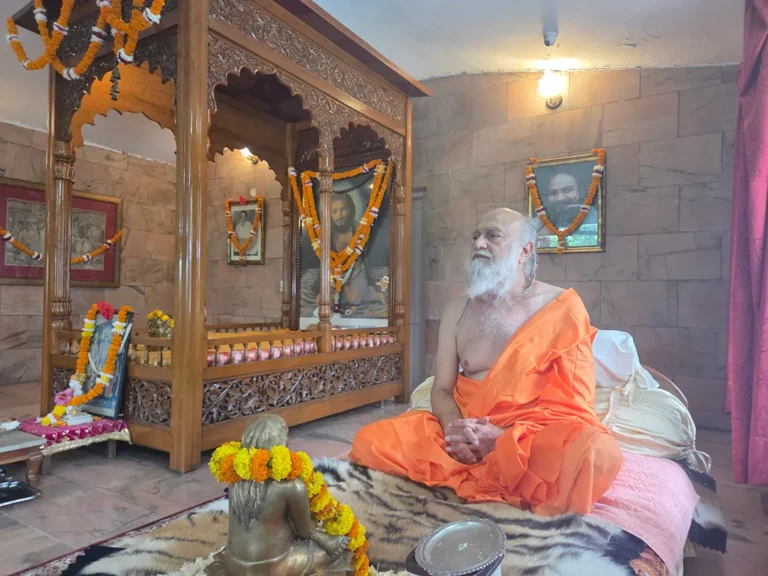
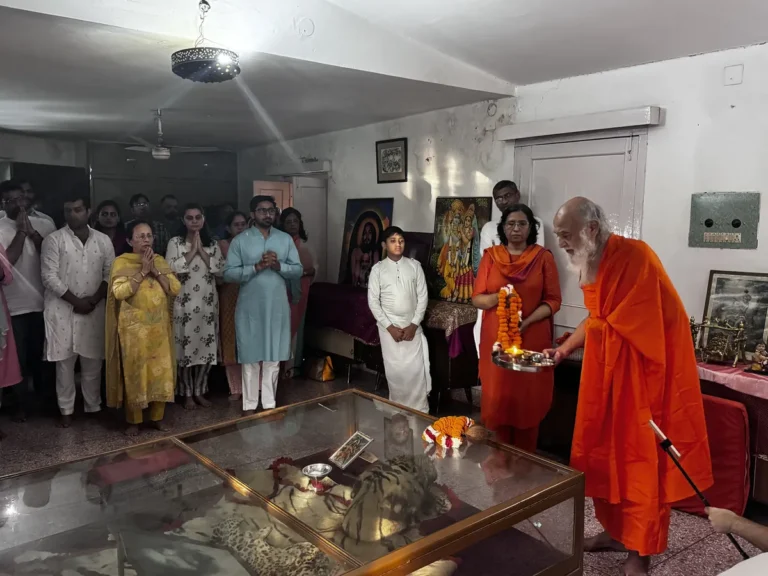
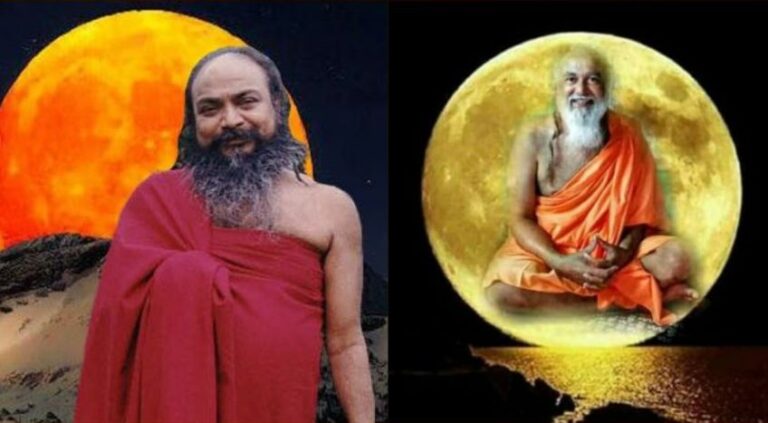
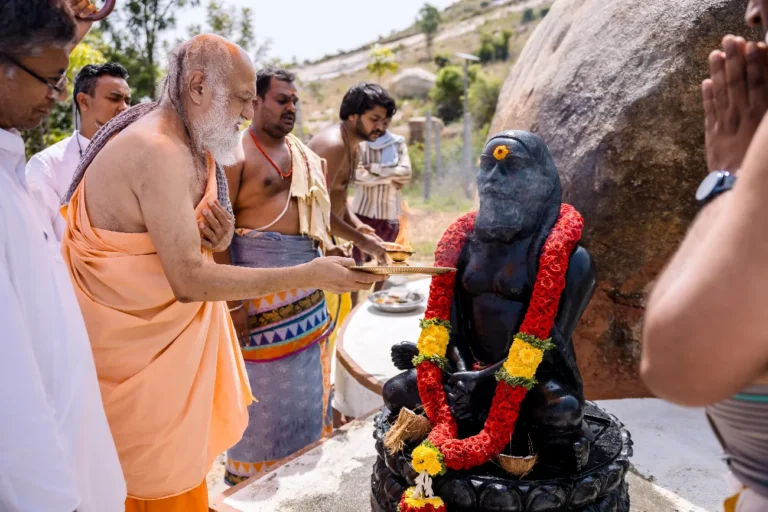
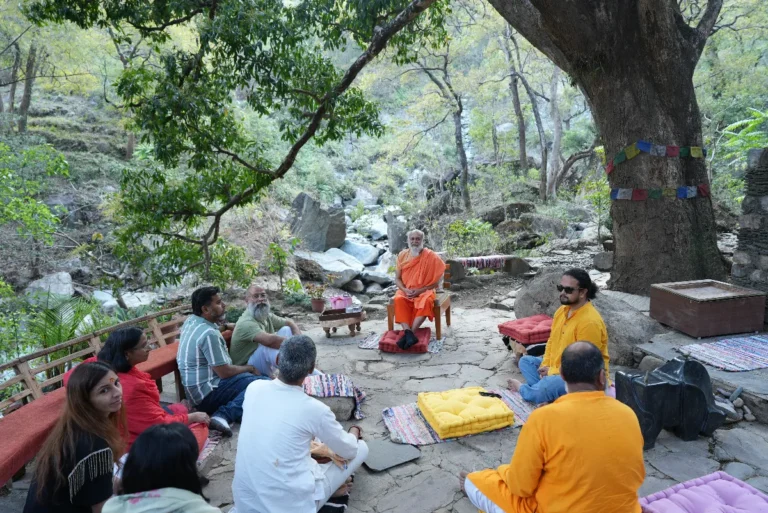
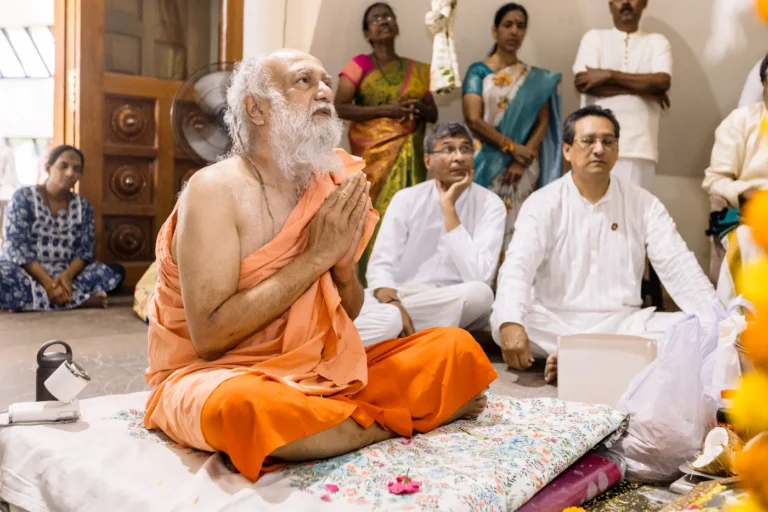
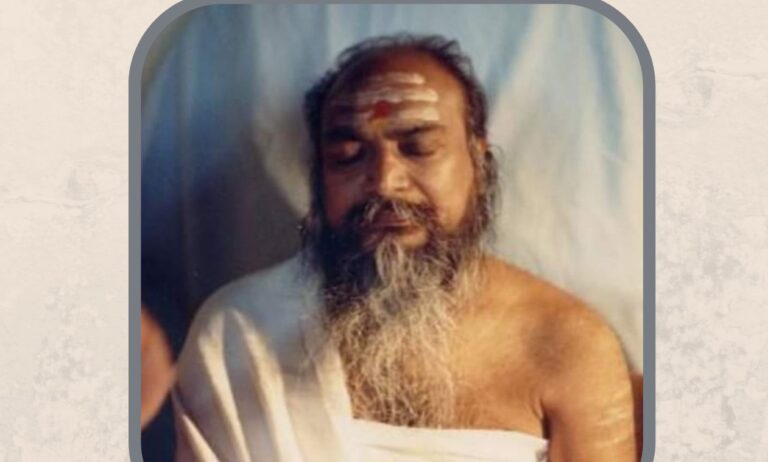
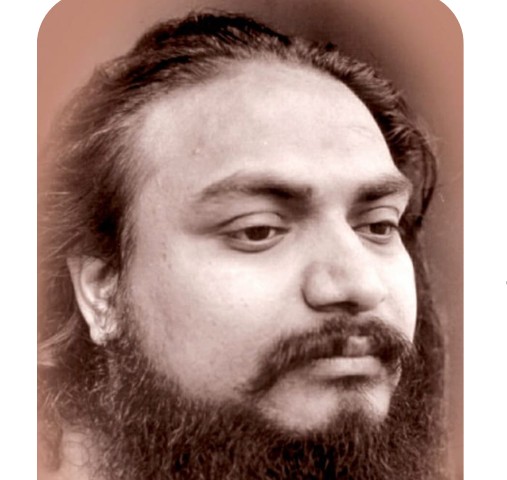
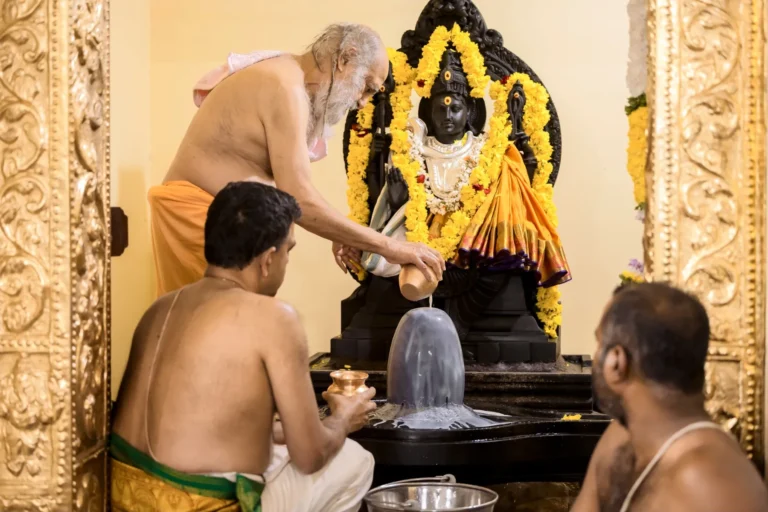
A series of Q&As filmed at the Shivabalayogi Devarayasamudram Ashram in South India during a meditation retreat with Shri Babaji over the course of 10 days. Recorded in February 2025.
0:00 Intro
0:12 What does it mean to truly surrender?
1:20 Why do only humans have the capability to reach the Divine?
4:53 For elderly people who have not followed the spiritual path, is there something they can do in their final years to improve the state of mind at the time of death?
6:00 What is the significance of the functions in Hindu culture that happen after somebody dies?
7:42 What is the impact of extreme suffering at the time of death on the consciousness?
9:16 When the purity of the mind has not been achieved at the time of death, the mind touches the higher consciousness and spins a new birth?
10:07 Can the higher consciousness impart any blessings to the person at the time of reincarnation?
10:19 Babaji has said before that you do not get reincarnated into the same world. Can Babaji talk about this?
12:40 Are we all in the same illusion?
14:24 So is the world simply our imagination?
15:45 A person is claiming to be able to see dead spirits – is this possible?
17:28 After 18-20 hours of Tapas each day did you rest the body?
17:55 So the meditation itself was enough to rest the body?
18:54 You’ve mentioned that during Tapas you sat in different directions and a deity would appear once that direction was complete. Why did that happen?
19:46 How important is it, while doing Tapas, to sit in the lotus posture?
23:55 During Swamiji’s Tapas, for some time He didn’t take any food. Then He received some important instruction in that regard. Could Babaji share that?
25:15 So the stories of sadhus practicing for long periods and not eating are all myths?
27:14 How do the sadhus who claim to live in the Himalayas survive without eating or wearing any clothes?
28:18 Are there some herbs in the Himalayas that can lower your metabolism so that you don’t need to eat so much?
28:33 Would a Yogi ever try to control the life of the body?
30:22 What is the significance of the four yugas? Is it just a way of saying that people of a particular time were a bit better etc?